

Featured News, News & Event
FROZEN CALAMANSI JUICE: NUTRITIONAL COMPOSITION, APPLICATIONS AND USAGE GUIDE FROZEN CALAMANSI JUICE
What is frozen calamansi juice? Key characteristics
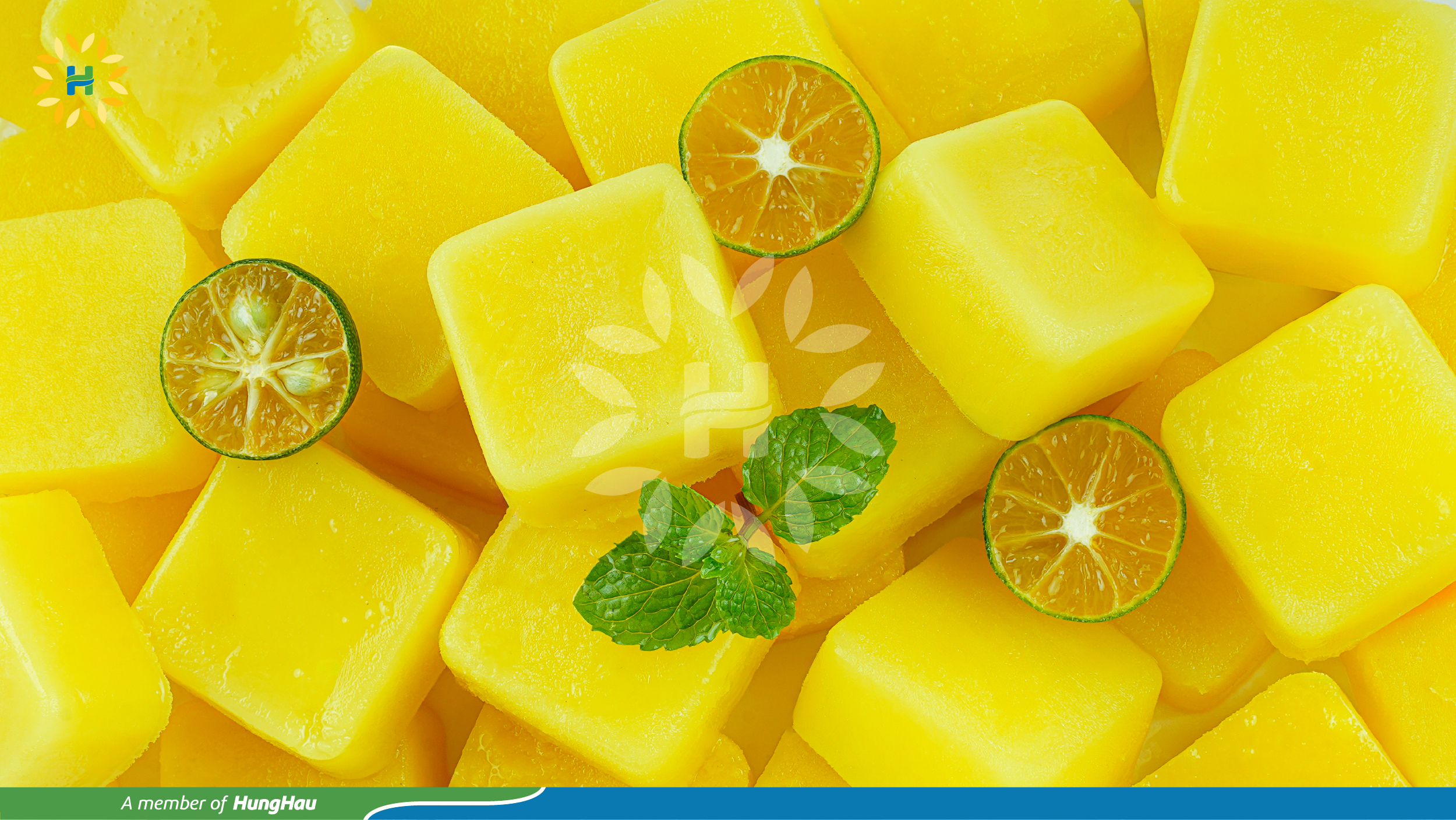
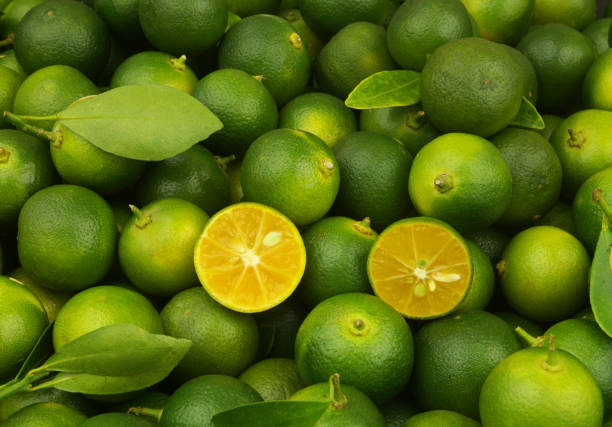
Calamansi juice is extracted from calamansi fruit (Citrus microcarpa), also known as calamansi or Philippine lime. This citrus fruit is characterized by its distinctive sour taste and aromatic profile, making it a popular ingredient in beverages, seasonings and various food products.
Frozen Calamansi Juice is processed and frozen to maintain its frozen state during storage and distribution. Compared with using fresh calamansi and manually extracting the juice, this format simplifies preparation and offers greater convenience in storage and portioning.
Key characteristics of frozen calamansi juice include:
- Distinctive flavor: Naturally tangy with the characteristic aroma of calamansi fruit.
- Versatile applications: Suitable for beverages, sauces, dipping sauces and a wide range of processed food products.
- Convenient storage: Maintained in a frozen state under specified storage conditions.
- Easy portioning: Can be divided into quantities suitable for different recipes, depending on the packaging format.
The quality and characteristics of frozen calamansi juice may vary depending on the fruit variety, maturity, extraction method and processing procedures. Therefore, buyers should consider the product’s ingredients, origin and technical specifications when selecting a suitable product.
Nutritional composition of calamansi
Calamansi is a citrus fruit commonly used to add acidity and aroma to food and beverages. Its nutritional composition may include vitamin C, carbohydrates, minerals and naturally occurring plant compounds. However, the actual nutritional content depends on the fruit variety, maturity and processing methods used to produce the juice.
Nutritional Components of frozen calamansi juice
Some of the nutritional components commonly considered when evaluating calamansi juice include:
- Vitamin C: A water-soluble vitamin involved in collagen formation and supporting normal immune system function.
- Natural carbohydrates: Present in fruit juice in varying amounts depending on the raw materials and processing methods.
- Minerals: Calamansi may provide small amounts of minerals such as potassium and calcium.
- Plant compounds: Citrus fruits contain naturally occurring plant compounds that contribute to their distinctive characteristics and flavor.
For frozen calamansi juice, the actual nutritional composition also depends on whether sugar, water or other ingredients have been added. Extraction, processing and storage may affect certain nutrients, particularly vitamin C.
Therefore, the nutritional composition of frozen calamansi juice should not be assumed to be identical across all products. For accurate nutritional information, buyers should refer to the product’s nutrition facts or specific laboratory analysis.
Comparing the nutritional composition of calamansi and other citrus fruits
The following table compares the nutritional composition of calamansi, lemon, orange and mandarin per 100 grams.
| Nutritional Component (per 100 g) | Calamansi | Lemon | Orange | Mandarin |
| Energy (kcal) | 71 | 29 | 47 | 53 |
| Carbohydrates (g) | 15.9 | 9.32 | 11.75 | 13.3 |
| Dietary Fiber (g) | 6.5 | 2.8 | 2.4 | 1.8 |
| Protein (g) | 1.88 | 1.1 | 0.94 | 0.81 |
| Fat (g) | 0.86 | 0.3 | 0.12 | 0.31 |
| Vitamin C (mg) | 43.9 | 53 | 53.2 | 26.7 |
Based on the reference data above, calamansi contains relatively higher levels of dietary fiber and carbohydrates among the fruits compared. Meanwhile, lemon and orange contain higher amounts of vitamin C. These differences highlight the distinct nutritional profiles of each fruit and their suitability for different applications.
It is important to note that nutritional composition varies according to fruit variety, growing conditions, maturity and the portion analyzed. In particular, the nutritional values of whole calamansi should not be directly applied to frozen calamansi juice, as extraction, filtration and processing may alter fiber content and other nutrients.
Applications of calamansi juice in food processing
With its refreshing acidity and distinctive citrus aroma, calamansi juice is widely used in food preparation and manufacturing. Depending on the formulation and intended application, it can help adjust acidity, balance sweetness and enhance the flavor of finished products.
Applications in Beverage Preparation
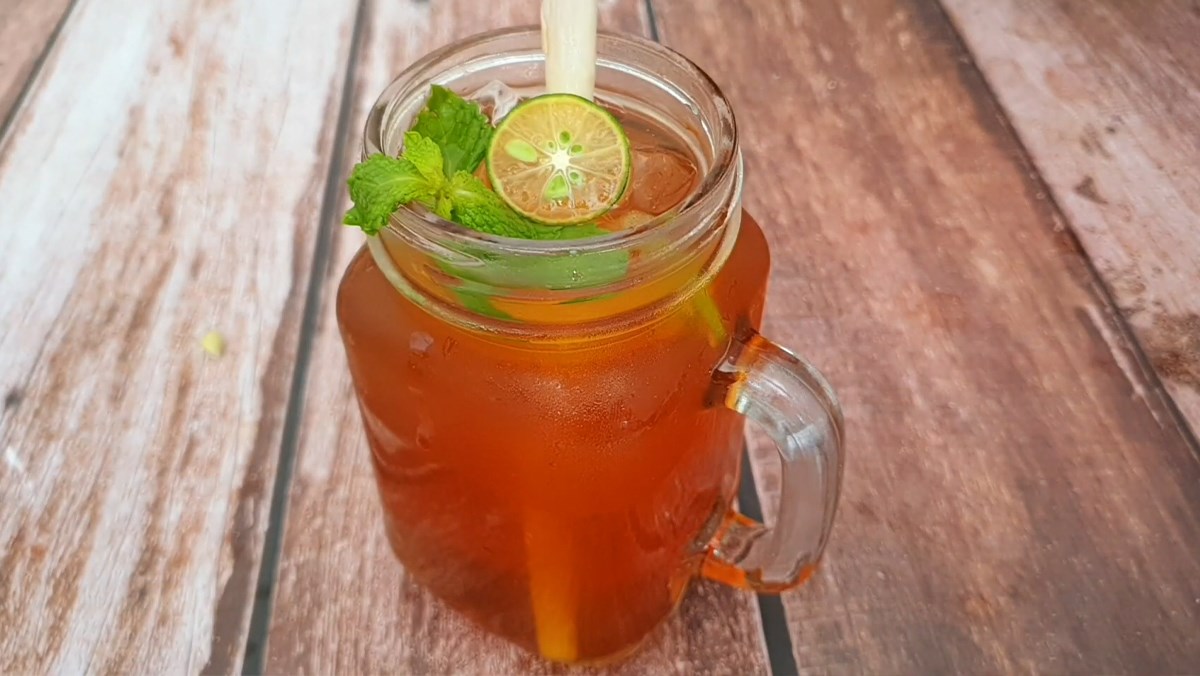
Calamansi juice is a familiar ingredient in the beverage industry thanks to its versatility and compatibility with various ingredients. Its acidity helps balance the sweetness of sugar, honey, syrups and other fruits.
Common applications include:
- Calamansi tea: Combined with tea, sugar or honey to create a balanced sweet-and-sour beverage.
- Calamansi honey drink: Blended with honey to produce a refreshing drink with a balanced sweet and tangy flavor.
- Fruit beverages: Used in combination with fruit juices, syrups or other fruit ingredients.
- Mixed beverages: Incorporated into mocktails, fruit sodas and creative beverage recipes served at cafés and restaurants.
For beverage businesses, frozen calamansi juice can help reduce preparation time and simplify ingredient handling when preparing drinks according to standardized recipes.
Applications in sauces and dipping sauces
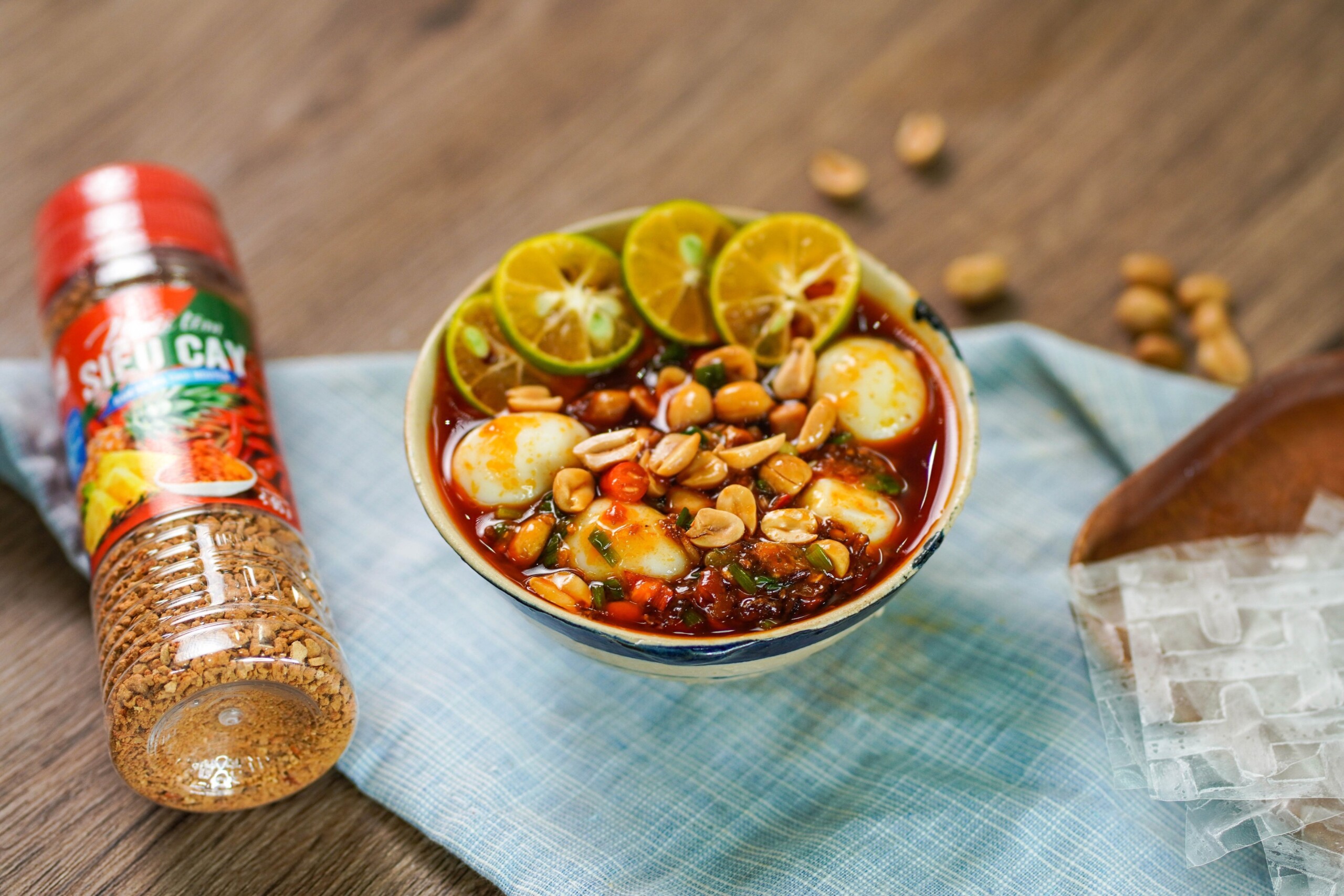
The natural acidity of calamansi juice helps balance salty, sweet and spicy flavors in dipping sauces and dressings. It can be combined with various seasonings to create well-balanced flavor profiles.
Common applications include:
- Calamansi fish sauce: Combined with fish sauce, sugar, garlic and chili to create a dipping sauce for various dishes.
- Sweet-and-sour sauces: Used to adjust acidity and enhance flavor.
- Salad dressings: Blended with vegetable oil, honey, seasonings and other ingredients to create dressings for salads and vegetables.
- Marinades: Incorporated into seasoning formulations for meat, fish and seafood.
Applications in cooking
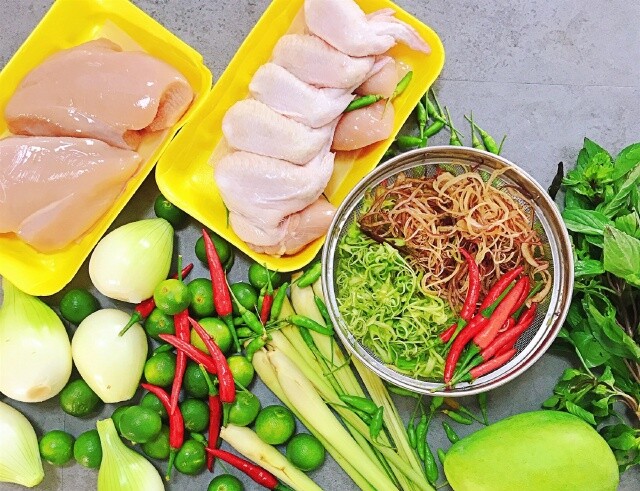
Beyond beverages, calamansi juice is also used in a wide range of dishes to introduce acidity and enhance flavor.
Common applications include:
- Salads and fresh vegetable dishes: Used in dressings to add acidity and complement vegetables, meat and seafood.
- Seafood dishes: Incorporated into dipping sauces or accompanying sauces.
- Braised and stir-fried dishes: Added in appropriate quantities to balance flavors and enhance the overall taste.
- Sweet-and-sour pickled foods: Combined with sugar, salt and seasonings to prepare pickling mixtures.
Depending on the recipe, calamansi juice can be added directly or blended with other ingredients before cooking.
Applications in industrial food manufacturing
In the food manufacturing industry, frozen calamansi juice can serve as an ingredient for adding acidity and citrus flavor to a variety of products.
Key application sectors include:
- Beverage industry: Soft drinks, fruit teas, mixed beverages and formulated drinks.
- Seasoning industry: Bottled dipping sauces, sauces, dressings and liquid seasonings.
- Processed food industry: Sauces, marinades and formulated food products.
- Food and beverage service (F&B): Ingredients for restaurants, hotels, beverage chains and foodservice providers.
For food manufacturers, selecting a suitable frozen calamansi juice supplier requires consideration of factors such as ingredients, acidity, flavor profile, packaging specifications, storage conditions and order fulfillment capacity. These factors help ensure compatibility with product formulations and manufacturing processes.
How to thaw frozen calamansi juice
Proper thawing makes frozen calamansi juice easier to use while helping minimize undesirable changes in ingredient quality. Depending on the quantity required and preparation time available, users can choose an appropriate thawing method.
Thawing frozen calamansi juice in the refrigerator
This method is suitable when the ingredient is prepared in advance. Thawing under refrigerated conditions helps maintain a stable temperature throughout the preparation process.
Steps:
- Remove the required quantity of frozen calamansi juice from the freezer.
- Keep the packaging sealed or transfer the product to a clean, covered container if necessary.
- Place the product in the refrigerator and allow it to thaw gradually.
- Check the product’s condition before use.
- Stir if necessary after thawing to ensure a uniform mixture.
Thawing time depends on the product’s quantity, packaging size and refrigerator temperature. Users should follow the manufacturer’s instructions to determine the appropriate thawing time.
Thawing frozen calamansi juice using cold water
When the ingredient is needed more quickly, cold-water thawing may be used, provided the product packaging is suitable for this method.
Steps:
- Ensure the frozen calamansi juice packaging is sealed and free from tears or leaks.
- Place the product in a waterproof bag or container if necessary.
- Submerge it in cold water to facilitate thawing.
- Change the water periodically to maintain a cold temperature.
- Once thawed, use the product promptly for its intended application.
Hot water should not be used for thawing, as high temperatures may affect the ingredient’s quality. When thawing with cold water, ensure the packaging remains sealed to minimize the risk of contamination from the surrounding environment.
Precautions when thawing and using frozen calamansi juice
To maintain product quality and food safety, the following precautions should be observed:
- Avoid thawing at room temperature: Do not leave the product on kitchen counters or in areas with high ambient temperatures for extended periods.
- Do not use hot water: High temperatures may affect the juice’s sensory characteristics.
- Maintain clean utensils: Use clean utensils when handling and measuring the juice.
- Thaw only the required quantity: Portion the product as needed to avoid repeatedly thawing the entire batch.
- Store unused portions properly: Keep the remaining product sealed and store it according to the manufacturer’s instructions.
- Do not refreeze without authorization: Avoid refreezing thawed product unless permitted by the manufacturer’s instructions.
For frozen calamansi juice used in food manufacturing, businesses should establish appropriate thawing and handling procedures based on packaging specifications, storage conditions and food safety requirements.
What to consider when selecting frozen calamansi juice
Selecting the right frozen calamansi juice affects not only the flavor of finished products but also operational efficiency and production consistency. Consumers and businesses may consider the following criteria:
1. Raw material origin and traceability
Prioritize products with clearly disclosed information about raw material origins, manufacturers and product provenance. This information provides a basis for evaluating transparency and traceability.
2. Product ingredients
Review the ingredient list to determine whether the product contains calamansi juice, added water, sugar or other ingredients. Businesses requiring ingredients with specific characteristics for their formulations should consult the supplier directly.
3. Sensory quality
Calamansi juice should exhibit a color, aroma and acidity consistent with the characteristics of the raw fruit. The product should not show any abnormal changes in odor, color or texture after thawing.
4. Processing technology and storage conditions
Review the manufacturer’s disclosed processing, freezing, packaging and storage methods. Maintaining appropriate storage conditions helps minimize undesirable changes during storage.
5. Packaging specifications
Choose packaging formats that suit the frequency and volume of use. For food manufacturers, packaging materials and unit sizes should meet requirements for measurement, storage and production-line operations.
6. Manufacturer’s supply capacity
For businesses requiring a consistent supply of ingredients, it is important to consider order fulfillment capacity, supply stability, quality documentation and the manufacturer’s customer support services.
Hunghau Foods – A trusted supplier of frozen calamansi juice for international markets
HungHau Foods Joint Stock Company supplies a diverse range of agricultural products and frozen fruits to domestic and international markets. Its frozen agricultural products have been exported to more than 80 countries, helping bring Vietnamese agricultural ingredients closer to customers worldwide.
Within HungHau Foods’ product portfolio, frozen calamansi juice is an ingredient solution for beverage preparation, food processing and industrial manufacturing.
Frozen calamansi juice production and supply capacity
HungHau Foods’ frozen calamansi juice is processed from raw materials sourced in the Mekong Delta region at the factory of HungHau Fruit and Vegetable Co., Ltd. in Lai Vung, Dong Thap, Vietnam.
The calamansi fruit is selected, washed, juiced and filtered before undergoing quality checks for parameters such as microbiological criteria, pH and Brix.
Following processing, the juice is rapidly frozen under suitable temperature conditions to maintain its frozen state during storage and distribution.
The product is available in flexible packaging formats, including bottles and bags in various volumes or bulk quantities, as well as customized specifications based on customer requirements. This flexibility allows frozen calamansi juice to serve the ingredient needs of restaurants, beverage businesses, distributors and food manufacturers.
HungHau Foods’ factory system operates under standards and certifications including BRCGS, HACCP, ISO 22000, FDA, HALAL and SMETA. Business customers can contact HungHau Foods for detailed product specifications, quality documentation and samples.
Raw material seasonality and year-round supply availability
HungHau Foods sources calamansi from the Mekong Delta region, with the main harvest season running from November through March. During this period, the company proactively plans raw material procurement, processing and freezing operations to handle larger volumes.
Through seasonal production planning combined with frozen storage facilities, HungHau Foods can supply frozen calamansi juice year-round, helping customers secure a reliable ingredient supply for their business and manufacturing operations.
For businesses with long-term ingredient requirements, discussing purchasing plans at the beginning of the harvest season can help improve planning for order volumes, packaging specifications and supply schedules.
With experience in food manufacturing, processing and export, as well as the capability to supply frozen ingredients to multiple markets, HungHau Foods aims to become a reliable partner for restaurants, beverage businesses, distributors and food processing companies.
Contact HungHau Foods to learn more about frozen calamansi juice, obtain technical information and packaging specifications, and discuss supply solutions tailored to your business requirements.
CONTACT INFORMATION
HungHau Foods Joint Stock Company
Address: 642 Au Co Street, Bay Hien Ward, Ho Chi Minh City, Vietnam.
Email: sales@hunghau.vn
Hotline: (+84) 79 721 3333
References: