


News & Event
WHY HAS VIETNAM’S FROZEN PASSION FRUIT EXPORT GROWN MORE THAN TENFOLD OVER THE PAST DECADE?
In recent years, fresh and frozen passion fruit has emerged as one of Vietnam’s fastest-growing fruit export products. Export value increased more than tenfold, from approximately USD 20 million in 2015 to over USD 222.5 million in 2023, and has continued its strong growth momentum through 2025. What factors have driven the rapid expansion of Vietnam’s frozen passion fruit exports?
Current Situation of Vietnam’s Passion Fruit Exports
According to official data, Vietnam’s passion fruit export value rose from around USD 20 million in 2015 to more than USD 222 million in 2023—an increase of over ten times in less than a decade. In the first ten months of 2025 alone, export turnover exceeded USD 202 million, and full-year exports are projected to reach USD 240–250 million, driven by strong international demand.
Vietnam’s passion fruit exports are gradually shifting from fresh fruit to value-added products such as frozen passion fruit, passion fruit puree, and juice. This transition is supported by longer shelf life, more consistent quality, and wide applications in the beverage and processed food industries. Along with the expansion of official exports to major markets, this trend is helping Vietnamese passion fruit strengthen its position within the global supply chain.
Reasons Why Vietnamese Passion Fruit Is Trusted by Global Partners
High production capacity and strong export growth
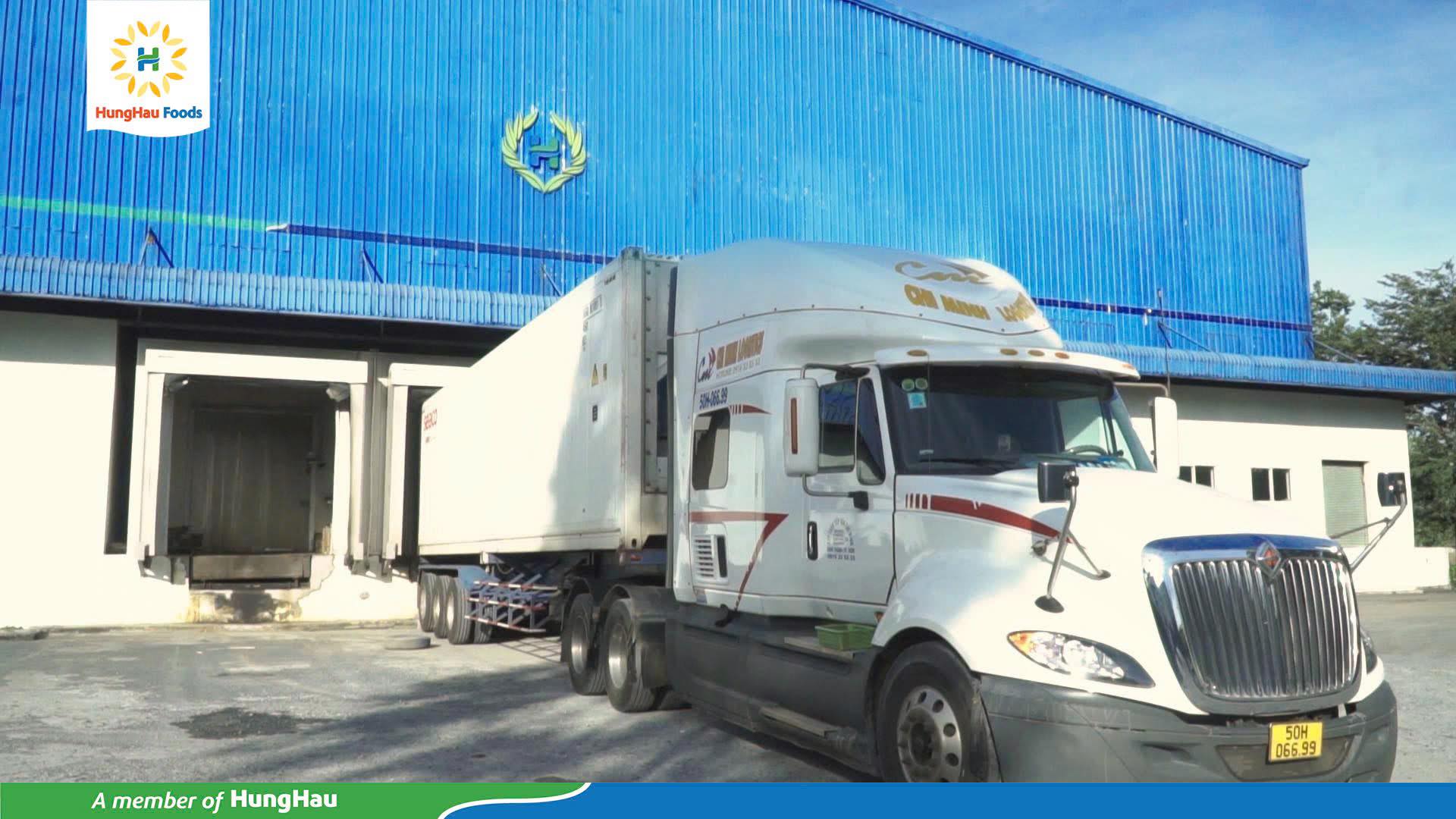
Vietnam is among the countries with the fastest-growing passion fruit exports, with export value estimated at around USD 172 million in 2024 and forecast to continue rising sharply in 2025. A stable supply base, scalable production capacity, and the ability to fulfill large-volume orders make Vietnamese passion fruit a reliable choice for international partners.
Outstanding product quality thanks to favorable natural conditions
Benefiting from a tropical climate and fertile basalt soil in key growing regions such as the Central Highlands, Vietnamese passion fruit features uniform size, attractive appearance, and consistent flavor. Purple passion fruit offers a well-balanced sweet–tart taste, while yellow passion fruit delivers a more intense acidity, making both varieties ideal for juice, puree, and processed food and beverage applications.
A strong foundation for sustainable development and a growing global position
Supported by agriculture policies focused on raw material zoning and the adaptability of local farmers, Vietnam ranks among the top 10 passion fruit–producing countries worldwide. This advantage strengthens Vietnam’s position in the global supply chain and enables long-term partnerships with major international markets.
Advantages of Climate and Soil Conditions for High-Quality Varieties
Vietnam benefits from a tropical monsoon climate, moderate temperature ranges, and abundant rainfall, ideal conditions for passion fruit cultivation and high yields. Key growing regions such as Dak Lak, Lam Dong, and several northern mountainous provinces feature nutrient-rich soils that help passion fruit achieve a well-balanced sweet–tart flavor and distinctive aroma.
Thanks to these favorable natural conditions, Vietnamese passion fruit offers high juice content, attractive color, and strong stability during processing into frozen products, purees, dried passion fruit, and juices. These advantages enable the products to meet the stringent requirements of the beverage, food, and flavoring industries in international markets.
Expansion of Cultivation Areas in Key Regions
In the export-oriented development strategy for passion fruit, the Central Highlands has been identified as a core growing region thanks to its favorable natural conditions and strong potential for expanding cultivation areas. Among these, Đắk Lắk and Lâm Đồng play a pivotal role, contributing large and stable output to Vietnam’s passion fruit supply chain.
The expansion of cultivation areas in Đắk Lắk and Lâm Đồng not only increases production capacity but also lays the foundation for a sustainable supply chain, reducing seasonal dependence and enhancing the ability to meet large-volume orders from international partners. This is also a strategic step for Vietnamese passion fruit to strengthen its position in the global processed fruit ingredients segment.
Increasing Trade Negotiations and Official Export Channels
In recent years, progress in trade negotiations and market access has marked an important turning point for Vietnam’s passion fruit exports. Official approval for passion fruit to be exported through formal channels to major markets—particularly China—has made export activities more stable, transparent, and scalable. Official exports also enable enterprises to sign long-term contracts, reduce commercial risks, and enhance product value.
Trade negotiations and the signing of bilateral agreements have laid a solid foundation for opening export markets for Vietnamese passion fruit. In April 2025, the Ministry of Agriculture and Environment of Vietnam and the General Administration of Customs of China officially signed a Protocol on phytosanitary requirements for fresh passion fruit exported from Vietnam to China. This protocol formally allows Vietnamese passion fruit to be exported through official channels to the Chinese market.
The protocol clearly stipulates requirements for planting area codes, packing facilities, traceability, pest control, and food safety, gradually replacing previously unstable export practices. Compliance with these regulations helps standardize the production and export chain in line with importing market requirements.
With a clear legal framework in place, passion fruit exports have become more transparent and stable, creating favorable conditions for enterprises to enter long-term contracts, minimize trade risks, and increase product value when accessing large consumer markets such as China.
Domestic Enterprises Focus on Passion Fruit Exports and Value-Added Processing
As global demand shifts from fresh fruit toward stable and convenient processed ingredients, many Vietnamese enterprises have proactively invested in the passion fruit value chain. Instead of exporting only fresh fruit, companies are focusing on developing frozen passion fruit products that extend shelf life, reduce seasonal risks, and meet the stringent requirements of importing markets. At the same time, enterprises are increasingly upgrading processing facilities, quick-freezing technologies, food safety standards, and traceability systems.
HungHau Foods Joint Stock Company is a Vietnamese enterprise specializing in the production and export of frozen passion fruit, with a strong focus on value-added processed products for international markets. HungHau Foods actively builds a closed-loop supply chain, from linking with raw material growing areas and controlling cultivation and harvesting processes to deep processing, ensuring a stable supply of export-quality raw materials.
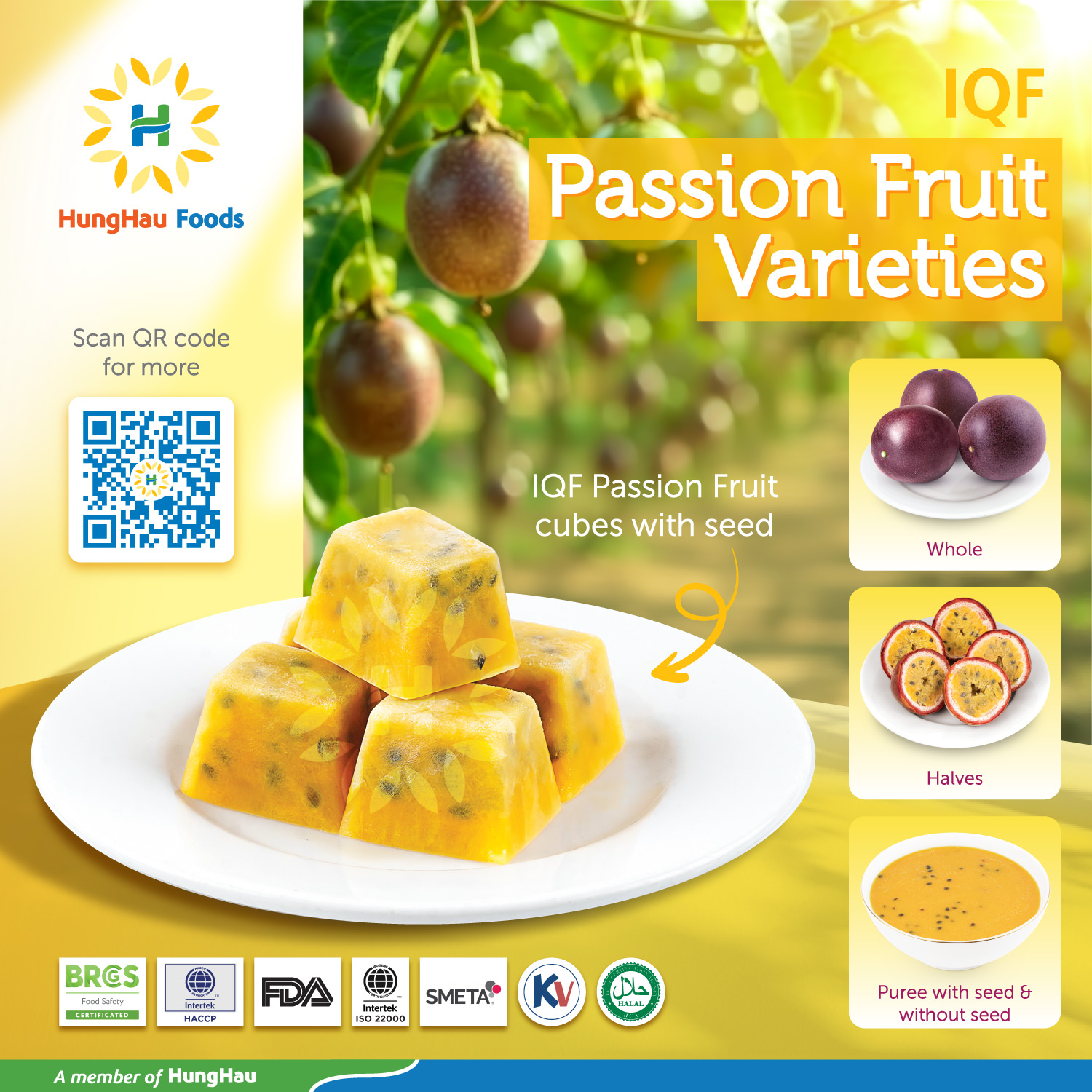
With a system of three internationally certified factories, HungHau Foods offers a wide range of frozen passion fruit products, including whole fruit, passion fruit halves, puree, passion fruit juice, and cubes, meeting the demanding requirements of the beverage and processed food industries. More than 40 years of experience in agricultural exports has positioned HungHau Foods as a trusted partner for importers across Asia, Europe, and other potential markets.
In parallel, HungHau Foods has developed concentrated passion fruit growing areas in Lâm Đồng and Đắk Lắk two key regions of the Central Highlands characterized by a cool highland climate, significant day–night temperature variation, and nutrient-rich basalt soil. These favorable natural conditions enable HungHau Foods’ passion fruit raw materials to achieve high uniformity, attractive color, high juice content, and a rich flavor profile, making them particularly well-suited for frozen processing and puree production.
Value-Added Passion Fruit Products
Building on an increasingly standardized passion fruit raw material base, Vietnamese enterprises have been developing a diverse range of value-added products to meet the varying needs of international markets. Depending on end-use applications, shelf-life requirements, and distribution channels, passion fruit is processed into multiple product lines from semi-processed ingredients and intermediate products to finished consumer goods helping to enhance export value and reduce reliance on fresh fruit exports.
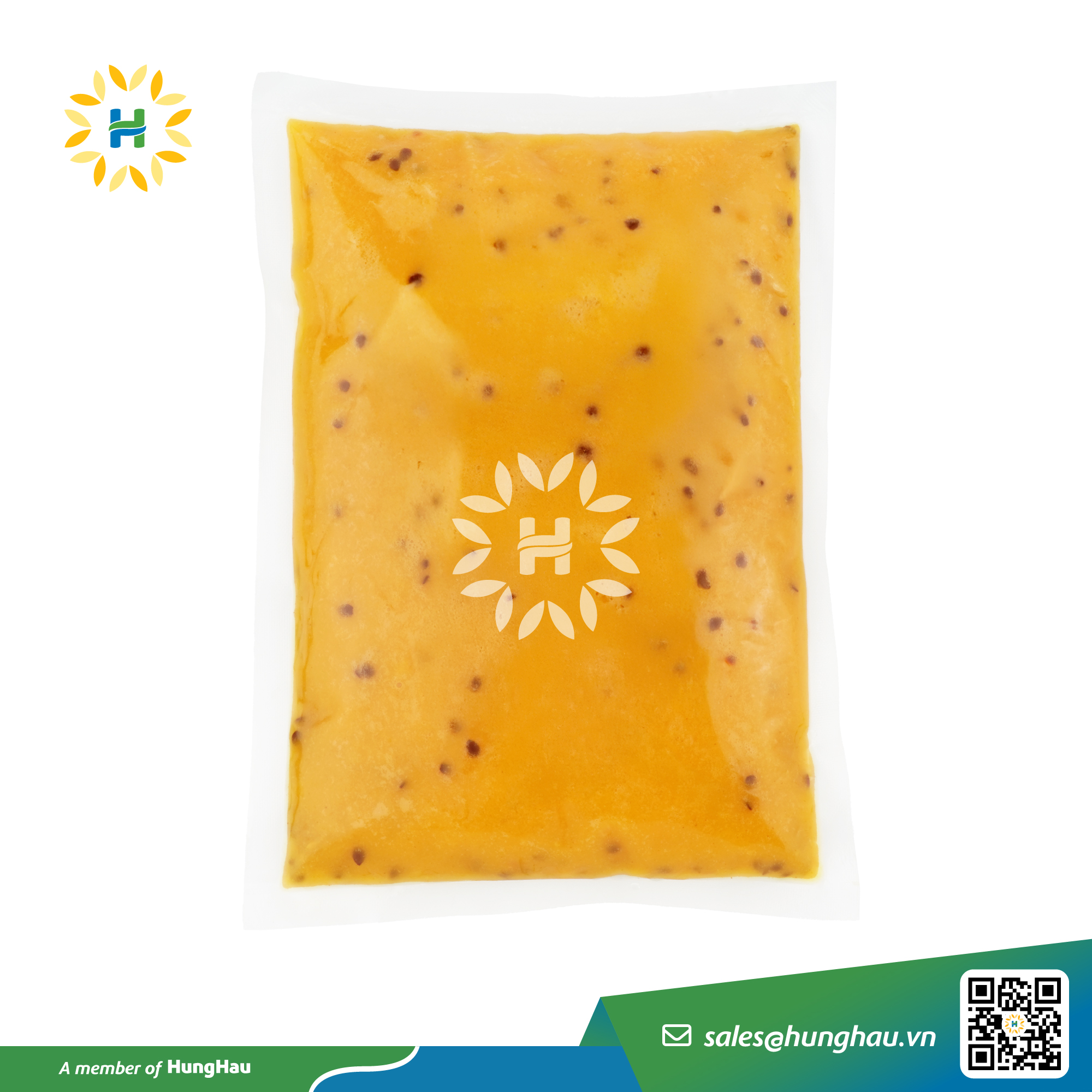
Frozen Passion Fruit Puree / Juice
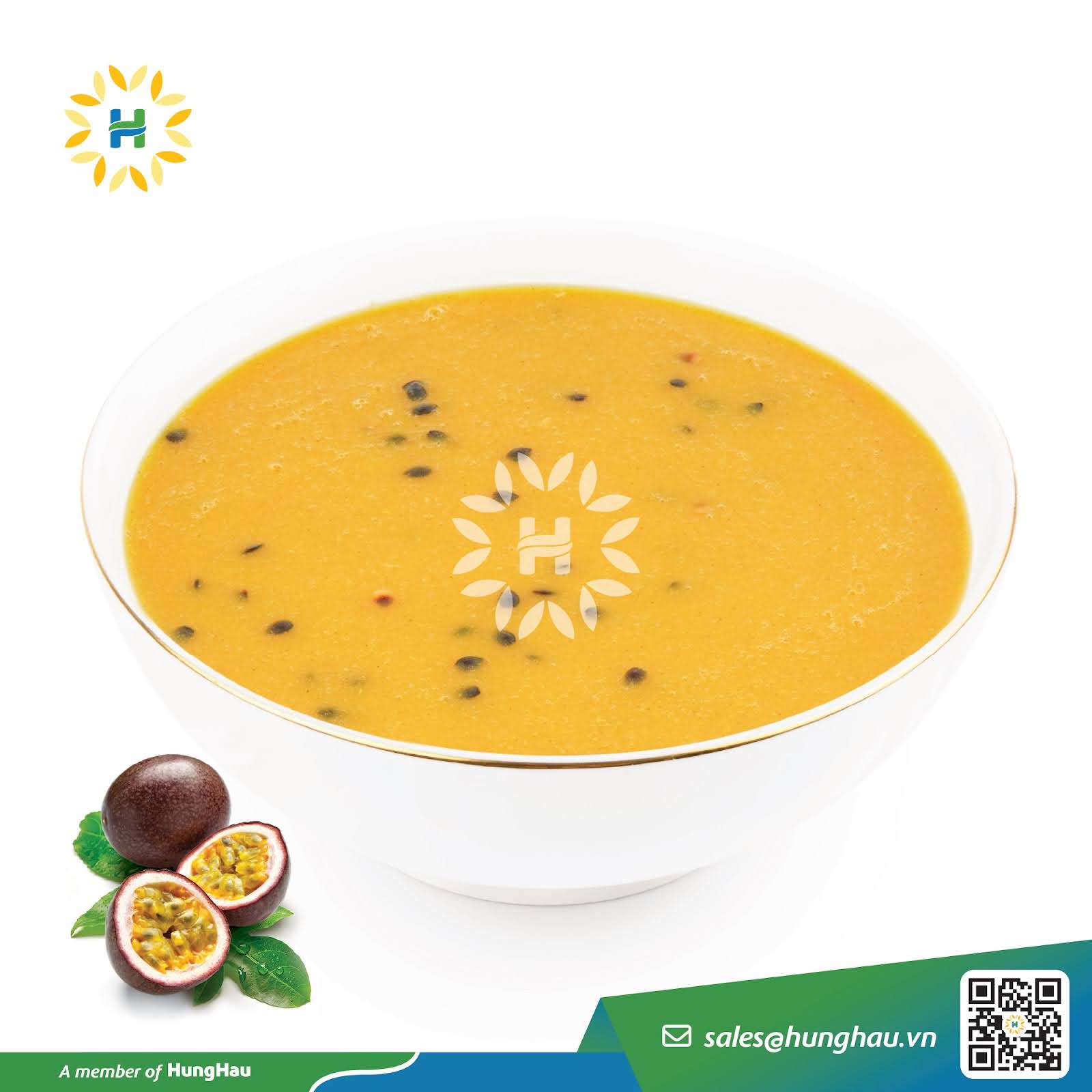
Produced through fine crushing or juice extraction followed by rapid freezing, this product format helps stabilize quality and preserve the fruit’s natural flavor. It offers high convenience for beverage and food manufacturers thanks to easy portioning and consistent batch quality. This segment is particularly popular in the EU, the United States, South Korea, and Japan.
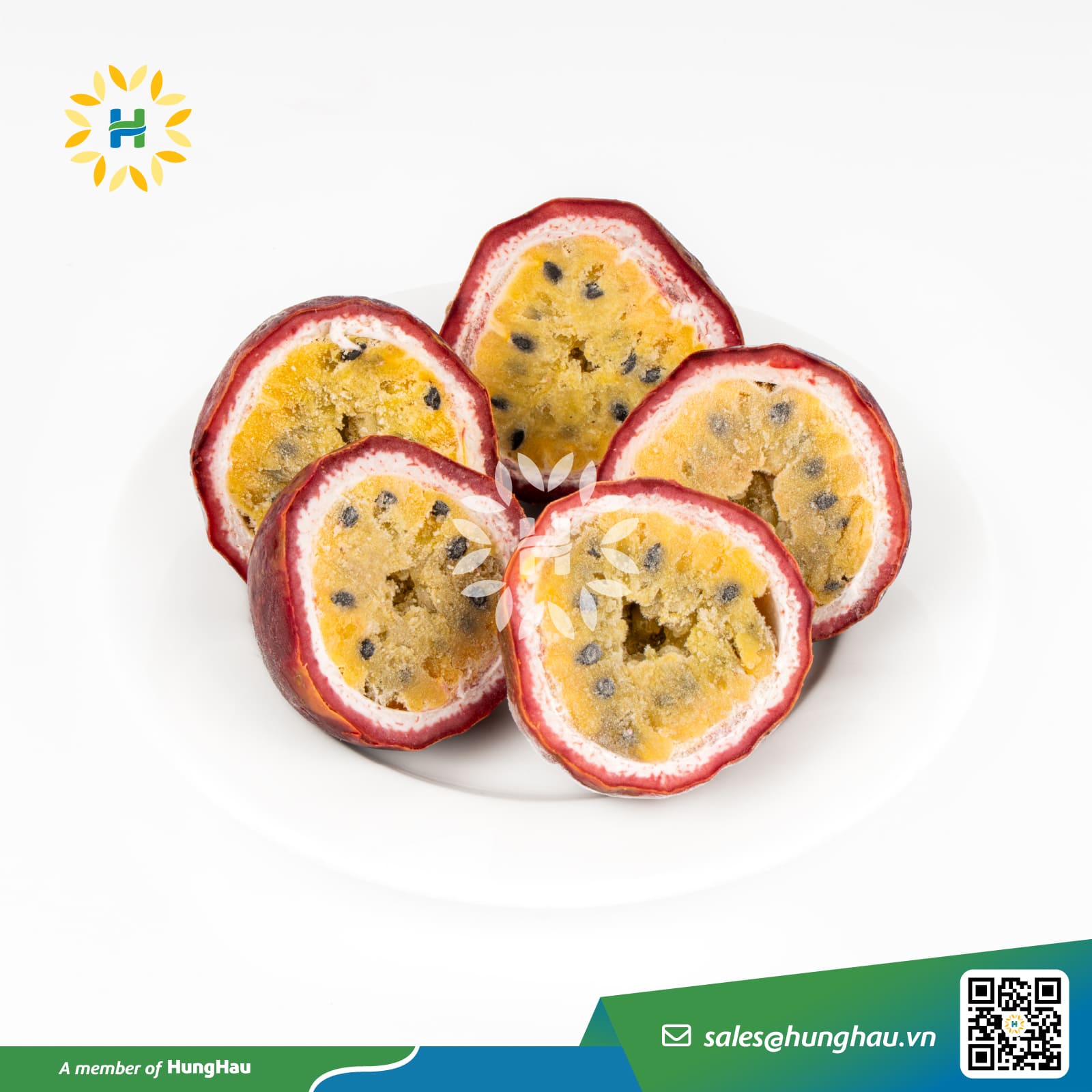
IQF Passion Fruit (Whole & Halves)
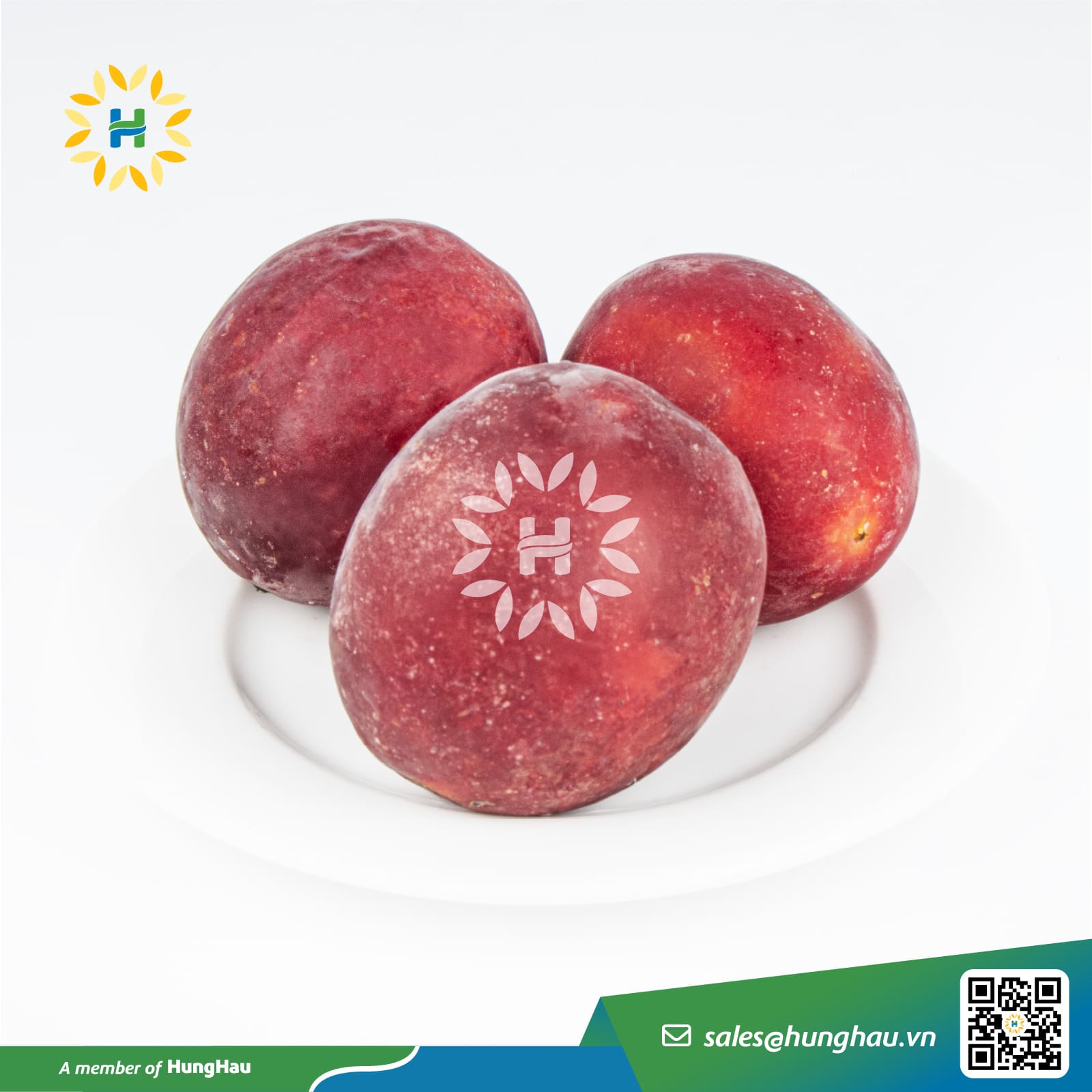
Produced from fresh passion fruit as raw material, then rapidly frozen to preserve its natural color and flavor. The Individual Quick Freezing (IQF) technology ensures that each whole fruit or half is individually frozen and free-flowing, preventing clumping and allowing flexible portioning for distribution and processing.
HungHau Foods’ IQF frozen passion fruit is well suited for the F&B industry, hotels, and premium beverage chains, with applications in beverage preparation, bakery products, ice cream, yogurt, and other processed food applications.
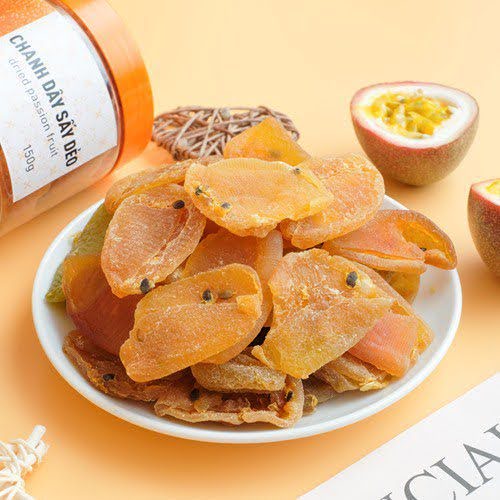
Soft Dried Passion Fruit
This is a deeply processed, high value-added passion fruit product. It features a balanced sweet-and-tangy taste with a distinctive chewy texture, along with a long shelf life and ease of transportation. Soft dried passion fruit is well received in retail markets, gift segments, and fruit snack categories.
Passion Fruit Beverages
Developed in ready-to-drink bottled formats, concentrates, or as beverage bases, passion fruit drinks align with the growing consumer demand for natural fruit-based beverages with minimal preservatives. This product category represents a promising pathway for Vietnamese passion fruit to expand into international retail channels.
In addition, frozen passion fruit juice (with seeds or seedless) plays a key role in the development of passion fruit beverage lines, enabling enterprises to secure a stable raw material supply and maintain consistent flavor and product quality year-round. The use of frozen ingredients also optimizes storage and transportation while expanding supply capabilities for international retail markets.
How Vietnamese Food Processing Enterprises Contribute to Passion Fruit Exports
Vietnamese food processing enterprises have enhanced the export value of passion fruit by shifting from fresh fruit exports to deeply processed products such as frozen passion fruit, blended passion fruit juice, and soft dried passion fruit. At the same time, these enterprises play a connecting role between growing areas and export markets by standardizing cultivation practices, implementing quality control systems, and ensuring traceability. These efforts help strengthen the competitiveness of Vietnamese passion fruit, expand market access, and enable deeper participation in the global supply chain. Key contributing factors include:
Enterprises Invest in Developing Passion Fruit Growing Areas
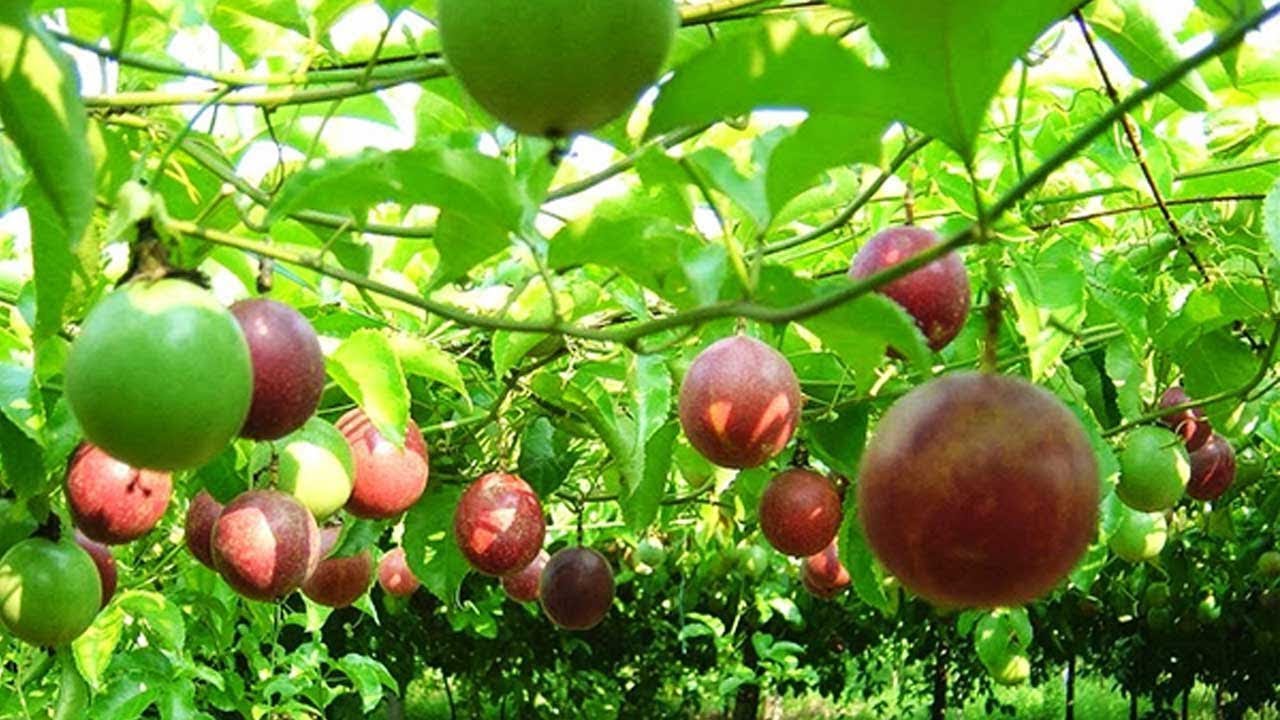
To secure a stable raw material supply for export, many Vietnamese enterprises proactively invest in identifying and developing passion fruit growing areas in regions with suitable climate and soil conditions. Direct partnerships with farmers and cooperatives enable enterprises to better control input quality, reduce the risk of raw material shortages, and meet the increasingly stringent requirements of importing markets.
Through the development of concentrated growing areas and standardized cultivation management, enterprises gradually improve yields and fruit quality, creating a solid foundation for deep processing activities and long-term export-oriented production.
Vietnamese Enterprises Invest in Production and Processing Technologies
Pre-processing Technology
At HungHau Foods, pre-processing technology is systematically and comprehensively invested in to control the quality of passion fruit raw materials from the very first stage. After harvest, passion fruits are sorted by size and ripeness, with substandard fruits removed before entering a multi-stage washing and cleaning system designed to eliminate dirt, impurities, and cross-contamination risks. The raw materials are then pulped, with non-usable parts removed, and key quality parameters are strictly monitored to ensure compliance with export standards for food safety, hygiene, and traceability.
This closed-loop pre-processing system enables HungHau Foods to standardize raw material quality, maintain consistency across production batches, and minimize risks in subsequent processing stages. It forms a critical foundation for the stable development of deep-processed product lines such as frozen passion fruit, puree, juice, and other value-added products for international markets.
Processing Technologies: Freezing, Drying, and Juice Extraction
Building on a standardized raw material base, enterprises focus on investing in core processing technologies such as freezing and juice extraction to extend shelf life, preserve the natural flavor of passion fruit, and develop value-added product lines for export markets.
Freezing Technology
HungHau Foods applies Individual Quick Freezing (IQF) technology in passion fruit processing to preserve the fruit’s natural color, flavor, and nutritional value. This technology enables frozen products to remain individually free-flowing without clumping, facilitating storage, transportation, and flexible usage according to customer needs. As a result, frozen passion fruit and frozen puree products meet the stringent requirements of international markets, particularly within the food and beverage industry.
Juice Extraction Technology
In the juice extraction stage, HungHau Foods utilizes modern pressing systems to efficiently extract passion fruit juice while minimizing oxidation and preserving its natural flavor. The juice can be developed in seeded or seedless formats, serving a wide range of applications from beverage manufacturing and processed foods to professional beverage preparation. Juice extraction technology allows the company to flexibly develop value-added product lines that meet the strict requirements of multiple export markets.
Soft Drying Technology
Many Vietnamese enterprises leverage soft drying technology to produce high value-added snack and dessert products from passion fruit. The drying process is precisely controlled in terms of temperature and time, helping retain the fruit’s characteristic sweet-and-tangy flavor, natural chewy texture, and extended shelf life. Soft dried passion fruit products are well suited for retail channels, gift segments, and direct consumer markets.
Establishing Production Processes and Food Certifications in Compliance with International Standards
As part of its export-oriented development strategy, HungHau Foods places strong emphasis on building closed-loop production processes for processed passion fruit products, covering raw material control, pre-processing, processing, packaging, and storage. The company’s manufacturing facilities operate in compliance with international food safety standards such as HACCP, ISO 22000, BRCGS, and SMETA, along with market-specific product certifications including FDA, Halal, and Kosher.
Strict adherence to these processes and certifications enables HungHau Foods’ passion fruit products to meet stringent import requirements, enhance brand credibility, and strengthen competitiveness in the global market.
In parallel with meeting international food safety standards, HungHau Foods has been recognized as a Ho Chi Minh City Green Enterprise 2025, reflecting its long-term commitment to a sustainable development strategy. In addition to complying with environmental regulations, wastewater treatment standards, and corporate responsibility requirements, HungHau Foods operating in the food manufacturing and processing sector—also focuses on optimizing production processes, controlling energy consumption, minimizing environmental impact, and ensuring a balanced approach between economic efficiency and social responsibility.
Establishing Processing Facilities in Strategic Locations for International Logistics
Vietnamese passion fruit processing enterprises are increasingly prioritizing the placement of manufacturing facilities in locations with strong logistics advantages, close to raw material areas and key transportation hubs. In practice, many factories are located in the Mekong Delta and the Southern Key Economic Region, where passion fruit growing areas are concentrated and where convenient connections exist to major seaports such as Cat Lai Port, Hiep Phuoc Port, and Cai Mep–Thi Vai Port, as well as international airports including Tan Son Nhat and the future Long Thanh International Airport.
These strategic locations help shorten the transportation time of raw materials to processing facilities, optimize logistics costs, and ensure the quality of frozen products throughout the supply chain. At the same time, export-oriented factory planning enables enterprises to flexibly handle large-volume orders and meet delivery requirements across multiple international markets.
Expanding Passion Fruit Business into Potential Markets
European Union (EU)
When exporting to the EU market, frozen passion fruit and passion fruit puree must strictly comply with the European Union’s regulations on food safety, pesticide residue limits, and traceability. Enterprises are required to implement food safety management systems such as HACCP and ISO 22000, while also meeting higher standards related to quality, social responsibility, and sustainability, including BRCGS and SMETA. In addition, compliance with regulations on labeling, packaging, and environmental protection is mandatory for achieving sustainable market access in the EU.
United States
The United States is a large market with a well-developed beverage and F&B industry, showing strong demand for fruit ingredients used in soft drinks, cocktails, and ready-to-drink (RTD) products. Vietnamese enterprises have advantages in supplying frozen passion fruit, puree, and juice thanks to their convenience, ease of portioning, and suitability for large-scale industrial production. However, to establish a sustainable presence in this market, products must meet food safety requirements, be registered with the FDA, and ensure clear traceability.
South Korea – Japan
When exporting to South Korea and Japan, processed passion fruit products must comply with strict requirements related to food safety, pesticide residues, and traceability. Exporting enterprises are typically required to implement HACCP and ISO 22000 systems, while also complying with import regulations set by the Ministry of Food and Drug Safety (MFDS) in South Korea and the Ministry of Health, Labour and Welfare (MHLW) in Japan.
In addition, the Japanese market places particular emphasis on consistent product quality, hygienic processing conditions, and accurate labeling, while Korean importers prioritize products with international certifications, uniform quality control, and transparent supply chains.
Investing in Organic Passion Fruit Products
Along with the global trend toward green and sustainable consumption, many Vietnamese enterprises have begun investing in the development of organic passion fruit products to meet the growing demand in premium markets. Organic passion fruit is cultivated with limited use of synthetic chemicals, in an environmentally friendly manner and with a strong focus on food safety. It is well suited to consumer segments that prioritize product quality and transparent origin. This is considered a strategic move to enhance the image and value of Vietnamese passion fruit in the international market.
In Vietnam, organic passion fruit is being developed in several regions with suitable soil and climate conditions, such as Gia Lai, Đắk Lắk, and other areas of the Central Highlands. In these regions, enterprises and cooperatives are gradually adopting organic farming models as well as VietGAP and GlobalGAP standards. These growing areas are aimed at serving high-end export markets such as the EU, Japan, and South Korea, where consumers are willing to pay a premium for certified organic products with clear traceability.
Advantages of Organic Passion Fruit
- Higher selling prices compared to conventional passion fruit, contributing to increased export value.
- Alignment with green, safe, and sustainable consumption trends in developed markets.
- Strong competitive advantages in brand image, positioning, and access to premium distribution channels.
Limitations of Organic Passion Fruit
- Lower yields, higher production costs, and long conversion periods.
- Strict requirements for growing area management, pest control, and certification documentation.
- Unstable supply, making it challenging to rapidly scale up for large-volume orders.
The rapid growth of Vietnam’s frozen passion fruit sector in recent years is the result of a combination of factors, including favorable natural conditions, the expansion of growing areas, improvements in cultivation techniques, market access liberalization, and the promotion of official export channels. More importantly, the increasing investment in deep processing—through products such as IQF frozen passion fruit, puree, and juice—has helped reduce reliance on fresh fruit exports, mitigate seasonal risks, stabilize quality, and better meet the demands of major international markets.
Within this broader landscape, HungHau Foods Joint Stock Company is one of the enterprises deeply involved in the fruit processing and export value chain in Vietnam. Through investments in production technology, quality control systems, international standards, and sustainable development, HungHau Foods contributes to bringing Vietnamese processed fruit products—including frozen passion fruit—to international markets in a structured, transparent, and long-term value-driven manner.
Chanh leo Việt Nam bứt phá xuất khẩu, hướng tới kỷ lục 250 triệu USD – VnEconomy
https://english.vov.vn/en/economy/passion-fruit-exports-hit-new-highs-after-years-of-rapid-growth-post1253325.vov?utm_source=chatgpt.com