


News & Event, Tin thị trường
FROZEN MANGO: CONVENIENT, EASY TO STORE, AND VERSATILE TO USE
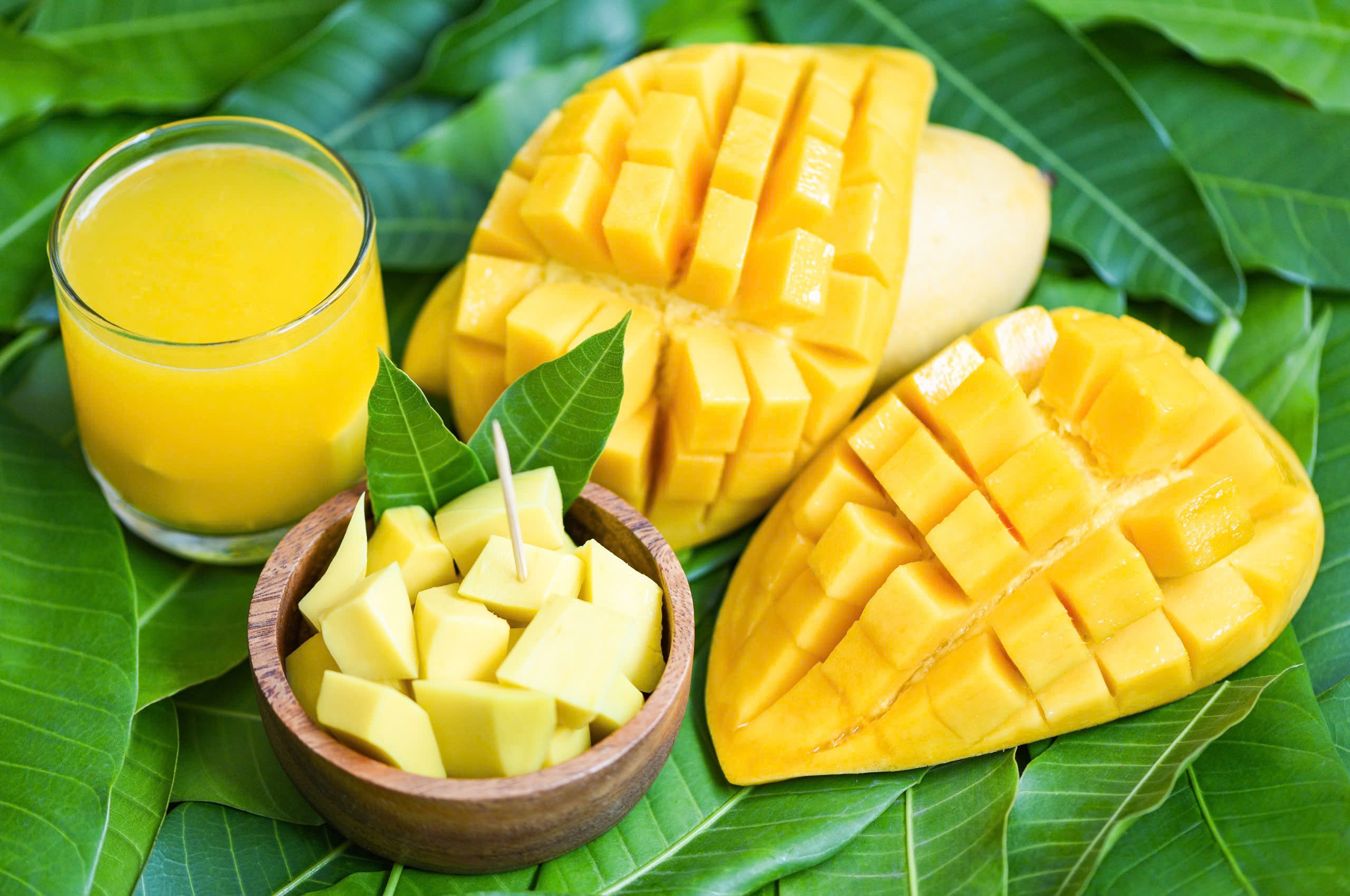
Frozen mangoes offer a more convenient solution compared to fresh mangoes, saving preparation time, making storage easier, and being ready to use in a wide variety of foods and beverages such as smoothies, juices, desserts, and other prepared dishes. This article will help you explore the benefits of frozen mangoes, how to choose a high-quality product, proper storage methods, and effective ways to use frozen mangoes in everyday food preparation.
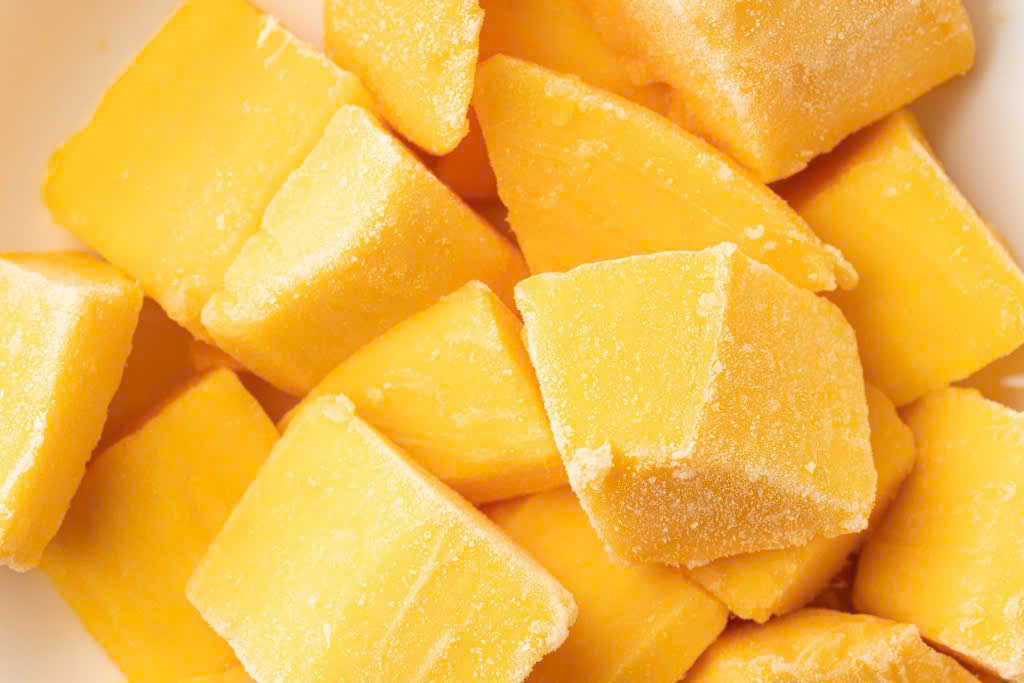
Why Are Frozen Mangoes Becoming Increasingly Popular?
The development of modern freezing technology has made frozen mangoes a popular choice for many households, restaurants, and beverage shops. Not only do they offer convenience during preparation, but they also meet the need for flexible, everyday use. Below are some of the key reasons why frozen mangoes are becoming increasingly popular among consumers.
No Need to Peel or Remove the Seed
Compared to fresh mangoes, frozen mangoes are pre-processed, peeled, deseeded, and cut into bite-sized pieces or slices before being frozen. This allows users to enjoy them immediately without spending time on preparation, while also reducing food waste during the preparation process.
Available Even When Mangoes Are Out of Season
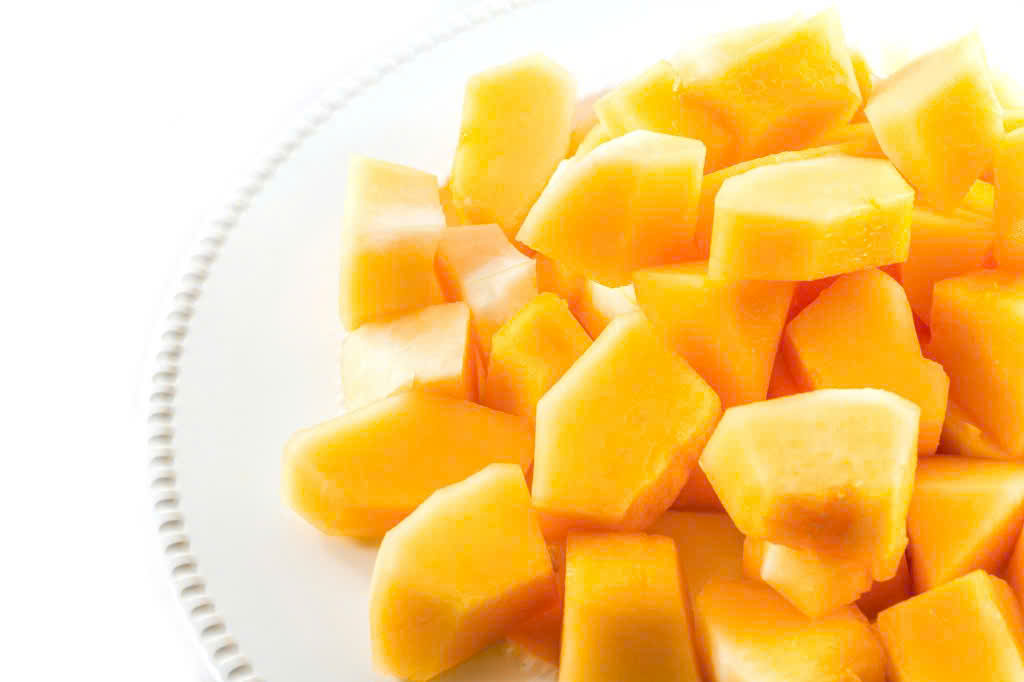
Mango is a seasonal fruit, with peak harvest periods typically concentrated in certain months of the year depending on the variety and growing region. In Vietnam, the main harvest season runs from February to July, when mango production is at its highest. In addition, an off-season harvest takes place from October to December, helping supplement supply toward the end of the year. Mangoes are harvested at their optimal stage of ripeness and then immediately frozen to preserve their flavor, color, and nutritional value. As a result, consumers and food businesses can have access to a stable supply of high-quality ingredients throughout the year, even after the harvest season has ended.
Reducing Food Spoilage and Waste
Fresh-cut ripe mangoes typically have a short shelf life and may become watery, overly soft, or spoil if they are not consumed promptly. Meanwhile, buying whole mangoes can result in uneven ripening, with some fruit being fully ripe while other portions remain unripe. In contrast, frozen mangoes are pre-processed and frozen at the appropriate stage of ripeness, allowing them to be stored for much longer than fresh mangoes and enabling users to take out exactly the amount needed for each preparation.
This helps reduce the likelihood of buying more mangoes than needed and having to throw them away, thereby helping save costs. It is particularly suitable for households that do not consume mangoes regularly.
Ideal for Busy Households and People Living Alone
For people with busy schedules or those living alone, frozen mangoes are a convenient choice because they require no preparation and can be stored in the freezer for an extended period. In just a few minutes, you can prepare a smoothie, dessert, or add mangoes to various dishes without worrying about the remaining fruit spoiling.
What Are the Benefits of Frozen Mangoes?
In addition to providing convenience in storage and preparation, frozen mangoes retain many of the nutritional benefits of fresh mangoes after the freezing process. When produced and stored under proper conditions, frozen mangoes remain a source of vitamins, minerals, and naturally occurring compounds that can benefit health. Below are some of the key benefits of frozen mangoes.
Providing Vitamins, Fiber, and Natural Nutrients
Frozen mangoes are a source of many essential vitamins and minerals. Most notably, they contain vitamin C, a powerful antioxidant that helps support the immune system, wound healing, and healthy skin. Mangoes are also rich in vitamin A in the form of beta-carotene, which plays an important role in maintaining healthy vision, supporting healthy skin, and contributing to normal immune function.
In addition, mangoes contain B vitamins such as vitamin B6, which helps with energy metabolism and supports brain function, along with smaller amounts of vitamins E and K. In terms of minerals, mangoes provide potassium, which helps regulate blood pressure and supports cardiovascular function, as well as magnesium, copper, and small amounts of iron, which contribute to blood formation and metabolic processes in the body.
Bringing Natural Sweetness and Aroma to Foods and Beverages
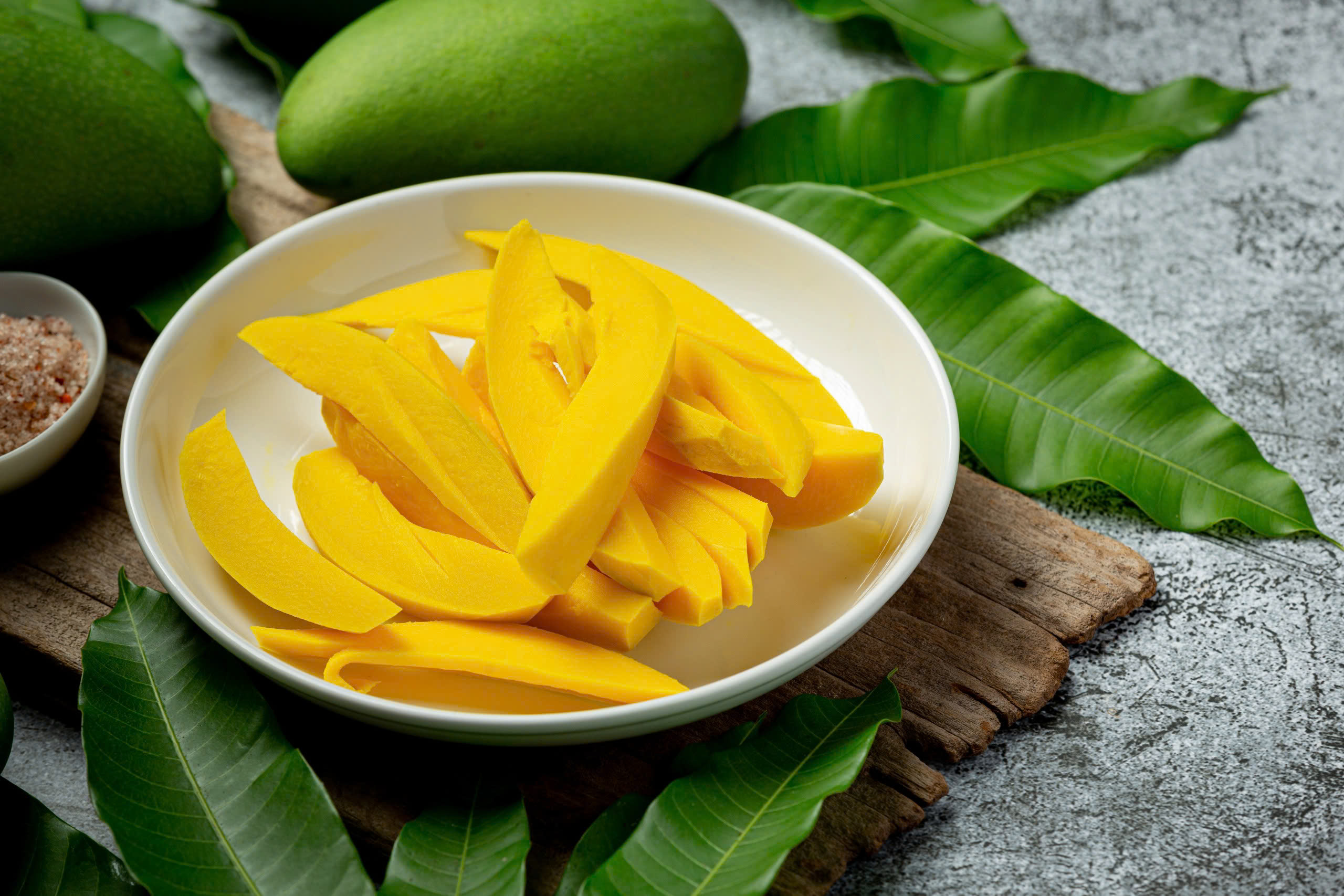
The rich sweetness and distinctive aroma of mangoes make them suitable for a wide range of recipes. Depending on the variety, mangoes differ in sweetness and texture. For example, Vietnam’s Cat Chu and Cat Hoa Loc mangoes have an attractive golden color, a fragrant aroma, and high sweetness, making them suitable for puree, smoothies, and desserts. Meanwhile, Kaew (Keo) mangoes have firm flesh and a stable texture that holds its shape well after freezing, making them ideal for diced, strip-cut, and stick-cut products.
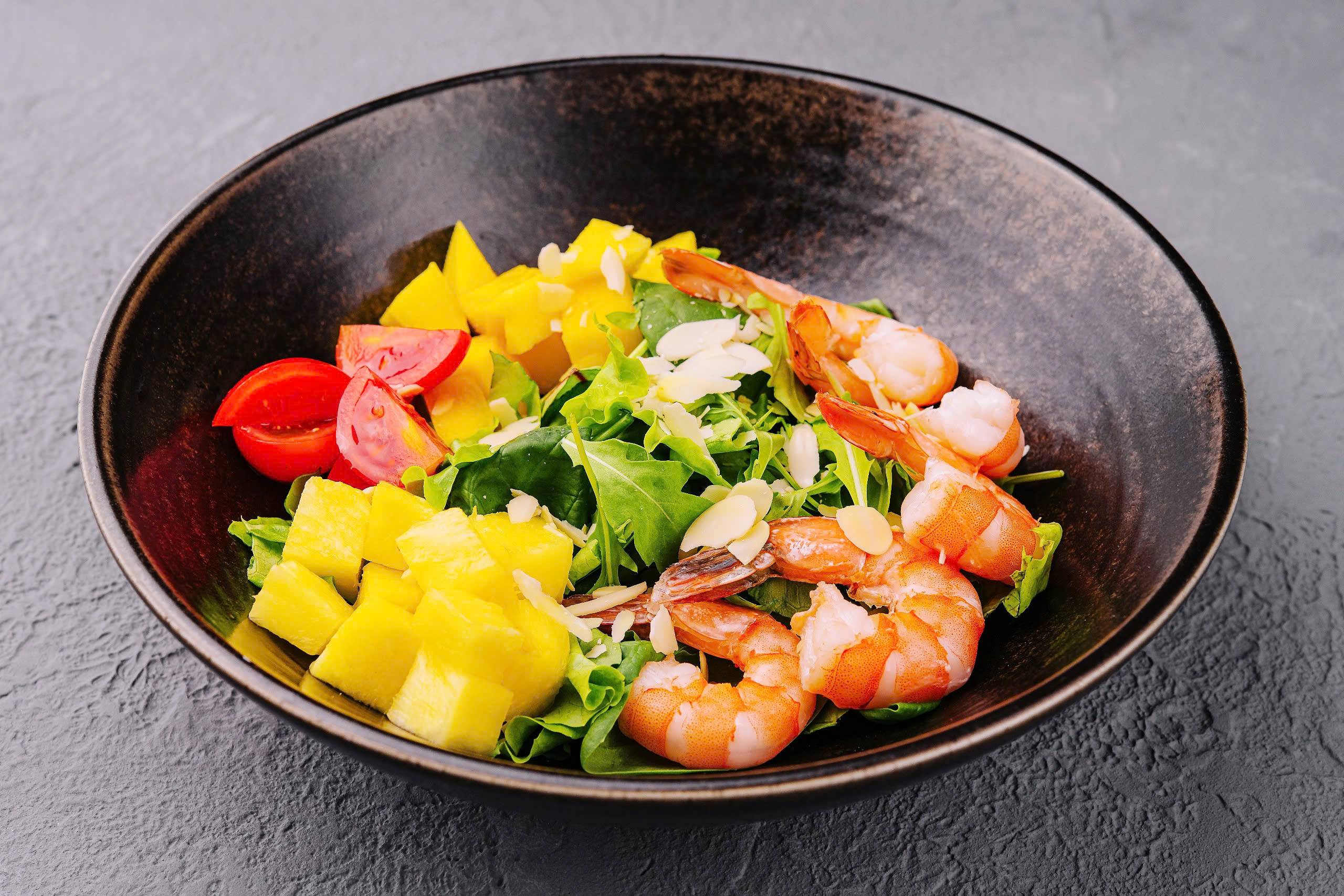
Thanks to this variety of flavors and textures, frozen mangoes are widely used to prepare smoothies, cocktails, and desserts, while also pairing well with salads, mixed salads, and sauces.
Supporting a Weight-Controlled Diet
Mangoes contain approximately 60 kcal per 100 g and are also rich in water and dietary fiber. With a relatively low energy content compared with many other sweet foods, mangoes can help promote a feeling of fullness when incorporated into a balanced diet. Therefore, frozen mangoes are often chosen for preparing smoothies, juices, fruit salads, or snacks for people following a healthy lifestyle and managing their weight.
However, some ripe mango varieties are also relatively high in sugar, so they should be consumed as part of an appropriate diet.
Rich in Natural Antioxidants
Mangoes contain various antioxidant compounds, such as mangiferin, beta-carotene, and natural polyphenols, which may help protect cells from the effects of free radicals. This is also one of the reasons mangoes are commonly included in many people’s daily diets.
Are Frozen Mangoes as Good as Fresh Mangoes?
Nutritional Value Comparison
| Criteria | Fresh Mangoes | IQF Frozen Mangoes |
|---|---|---|
| Nutritional value | Provides natural vitamins, minerals, and dietary fiber | Still provides many of the mango’s natural nutrients |
| Vitamins & minerals | Contains vitamin C, vitamin A (from beta-carotene), potassium, and other nutrients | Can retain many nutrients well when rapidly frozen and properly stored |
| Dietary fiber | Provides natural dietary fiber | Retains the natural fiber present in the fruit |
| Flavor | Fresh, distinctive mango flavor | Relatively well preserves color, flavor, and texture |
| Storage time | Relatively short shelf life | Can be stored for a long time at the appropriate temperature |
| Convenience | Needs to be washed, peeled, and cut before use | Usually pre-processed, making it convenient to use |
| Seasonality | Dependent on the harvest season | Can be used year-round |
| Applications | Eaten fresh, used in smoothies, juices, and desserts | Smoothies, juices, and other preparations |
In terms of nutritional value, frozen mangoes can retain most of their vitamins, minerals, and dietary fiber when they are frozen immediately after harvesting using modern technology such as IQF (Individual Quick Freezing). The rapid freezing process helps minimize quality deterioration, preserving the mango’s color, flavor, and texture for an extended period.
Compared with fresh mangoes, each option has its own advantages. Fresh mangoes are ideal when you want to enjoy the fruit shortly after harvest, while frozen mangoes stand out for their convenience, longer shelf life, and year-round availability without the need for preparation. When properly stored and sourced from a reputable manufacturer, frozen mangoes remain a high-quality choice for everyday food and beverage preparation.
Shelf Life Comparison
| Criteria | Fresh Mangoes | IQF Frozen Mangoes |
|---|---|---|
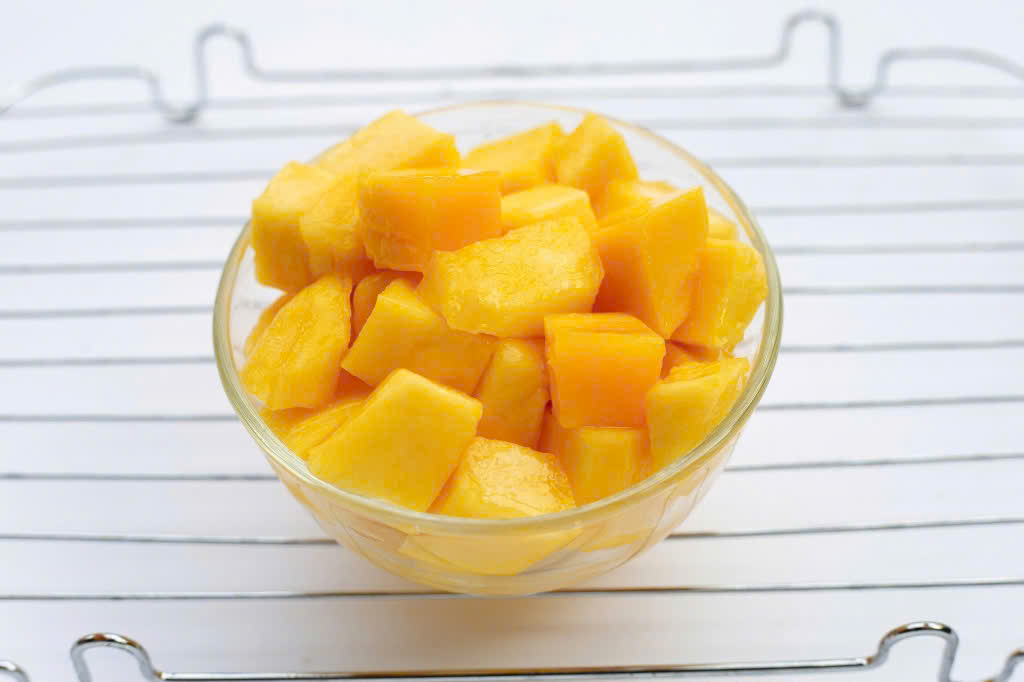
| Shelf life | Relatively short, depending on ripeness and storage conditions | Longer shelf life when maintained at the appropriate temperature |
| Storage conditions | Usually requires suitable storage conditions to slow down ripening and prevent quality deterioration | Stored at a stable freezing temperature according to the manufacturer’s instructions |
| Stability | Quality may change over time depending on storage conditions and ripeness | Helps maintain consistent ingredient quality throughout the storage period |
| Year-round availability | Dependent on the harvest season and supply | Can be used year-round, making it convenient for food and beverage preparation |
Quality Comparison:
- Fresh mangoes may not always be subject to strict controls for pesticide residues and heavy metals. However, frozen mangoes produced by reputable, export-standard facilities such as HungHau Foods are subject to strict controls for these factors.
- The origin of the raw materials is one of the key factors determining the quality of frozen mangoes. Consumers should prioritize products made from mangoes harvested directly from growing areas where cultivation and harvesting processes are carefully controlled. Traceability not only helps ensure that the mangoes reach the appropriate level of ripeness before freezing but also contributes to controlling food safety, hygiene, and raw material quality.
- HungHau Foods has developed mango sourcing areas in Dong Thap, a region with favorable soil and climate conditions for high-quality mango varieties such as Cat Chu and Kaew (Keo). The company works with farmers in qualified growing areas and controls quality from fruit selection, fruit bagging, and harvesting through to pre-processing, ensuring consistent raw materials that meet the requirements of both domestic and export markets.
- In addition, consumers should choose products that provide complete information about the manufacturer, raw material sourcing area, ingredients, production date, expiration date, and storage instructions. Brands that are transparent about their sourcing and production processes can give consumers greater peace of mind while ensuring that the products are processed in clean environments and meet food hygiene and safety standards.
How to Choose Delicious and Safe Frozen Mangoes
To ensure the quality of your dishes and preserve the natural flavor of mangoes, it is important to choose frozen mango products that meet appropriate quality standards. In addition to nutritional value, consumers should also pay attention to the product’s origin, production process, and condition before purchasing. Below are some criteria to help you choose delicious, safe, and suitable frozen mangoes for your needs.
Check the Color and Shape of the Mango Pieces
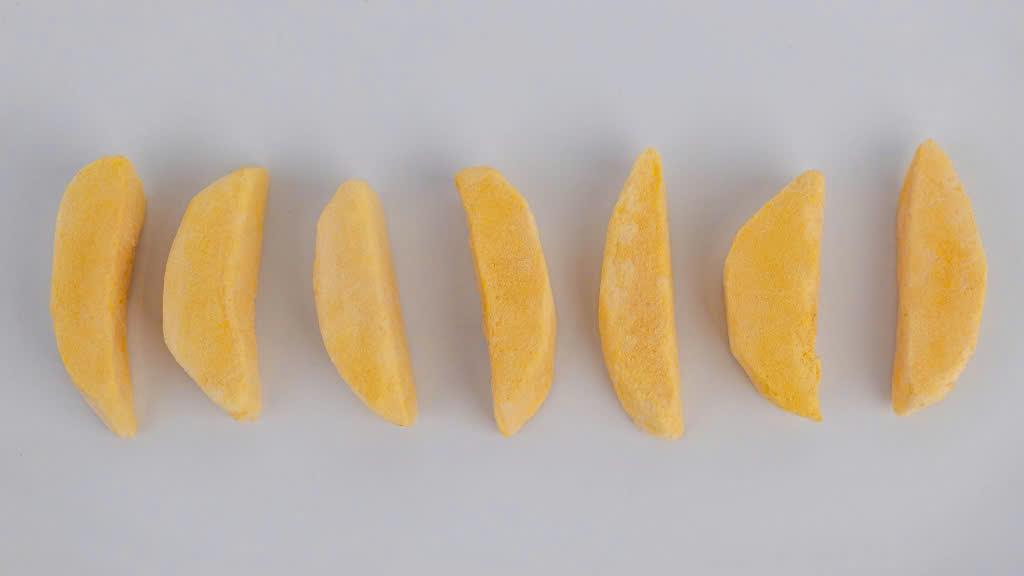
High-quality frozen mangoes typically have a natural yellow color, evenly cut pieces, and retain their shape after freezing. Avoid products that appear excessively pale, unusually dark, or show signs of browning or blackening, as these may indicate improper storage conditions.
Check for Excessive Frost or Clumping
If the packaging contains excessive amounts of ice or the mango pieces are stuck tightly together in one large block, the product may have been thawed and refrozen multiple times. This can affect the product’s quality, texture, and flavor, and may also reduce its nutritional value.
Choose the Cutting Style That Suits Your Needs
Frozen mangoes are available in various formats, including chunks, strips/sticks, dices, and puree. Depending on your intended use—such as making smoothies, juices, desserts, or prepared dishes—you should choose the appropriate cut to save preparation time and maximize processing efficiency.
At HungHau Foods, frozen mangoes are available in a variety of formats, including chunks, strips, dices, and puree, flexibly meeting the needs of the food processing, beverage, and foodservice industries. In addition, the company offers customized processing according to customers’ specific specifications, sizes, and requirements (OEM/private label).
| Frozen Mango Format | B2C Applications | Industrial Applications |
|---|---|---|
| Mango Dices | Smoothies, fruit salads, yogurt, toppings, desserts | Yogurt, ice cream, cakes, beverages, fillings, processed foods |
| Mango Chunks | Smoothies, desserts, served with yogurt | Ice cream, yogurt, cakes, desserts, food processing |
| Mango Pieces | Smoothies, mango sauce, toppings | Cake fillings, sauces, jams, processed fruit products |
| Mango Puree | Smoothies, juices, smoothies, mango sauce | Fruit juices, nectar, ice cream, yogurt, cakes, beverages, and processed foods |
| Mango Slices | Eaten directly, desserts, smoothie bowls | Desserts, ice cream, toppings, fruit-based products |
| Chocolate-Covered Mango Sticks | Eaten directly, snacks, desserts | Fruit snacks, chocolate-coated products, ready-to-eat food products |
Choose a Reputable Supplier
Choosing a reputable supplier not only ensures the quality of the raw materials but also gives businesses and consumers greater confidence in production, storage, and food safety control processes. An experienced supplier will have a stable raw material sourcing network, modern production processes, and a strict quality management system, helping products retain their natural flavor and nutritional value after freezing.
HungHau Foods is one of Vietnam’s leading companies specializing in the processing and export of frozen agricultural products. The company operates the HFV factory (HungHau Fruits and Vegetables Co., Ltd.) located in a key sourcing area of the Mekong Delta, equipped with a modern IQF (Individual Quick Freezing) system that individually freezes each mango piece, helping preserve the product’s color, texture, flavor, and nutritional content.
HungHau Foods offers a diverse range of frozen mango varieties, including Kaew mango, Cat Chu mango, and Australian mangoes, meeting the varying needs of customers in the food and beverage industries. Depending on the intended application, mangoes can be supplied in various formats, including dices, chunks, cheek slices, sticks, or puree. The company can also accommodate specific customer requirements regarding specifications, sizes, and packaging.
With an export network spanning more than 80 countries and territories, including demanding markets such as the United States, Japan, and the EU, HungHau Foods is a trusted partner for importers, distributors, retail chains, and food companies worldwide, while providing consumers with high-quality, safe, and consistent frozen mango products.
Tips for Properly Storing Frozen Mangoes at Home
To preserve the flavor, color, and nutritional value of frozen mangoes, store the product continuously in the freezer at -18°C or below. After opening the package, seal it tightly using a zip-top bag or airtight container to limit air exposure. Take out only the amount needed for each use and avoid repeatedly thawing and refreezing the product. Proper storage not only helps extend the product’s shelf life but also preserves the quality of the mangoes during preparation.
How to Thaw Mangoes Without Making Them Too Soft or Watery
To maintain the texture of frozen mangoes and minimize water release, thaw them gradually by transferring the product from the freezer to the refrigerator several hours before use. If you are using the mangoes to make smoothies, juices, or blended dishes, you can use them directly without thawing. Avoid soaking mangoes in hot water or using a microwave at high heat, as this may cause the mango pieces to become too soft, lose their flavor, and deteriorate in quality.
Easy and Delicious Recipes Using Frozen Mangoes
With their naturally sweet and fragrant flavor and convenient preparation, frozen mangoes can be combined with a variety of ingredients to create delicious foods and beverages. From breakfast and snacks to desserts and refreshing drinks, frozen mangoes can help save preparation time while still delivering a fresh and flavorful experience. Below are some popular recipes that you can easily make at home.
Mango and Fruit Smoothies
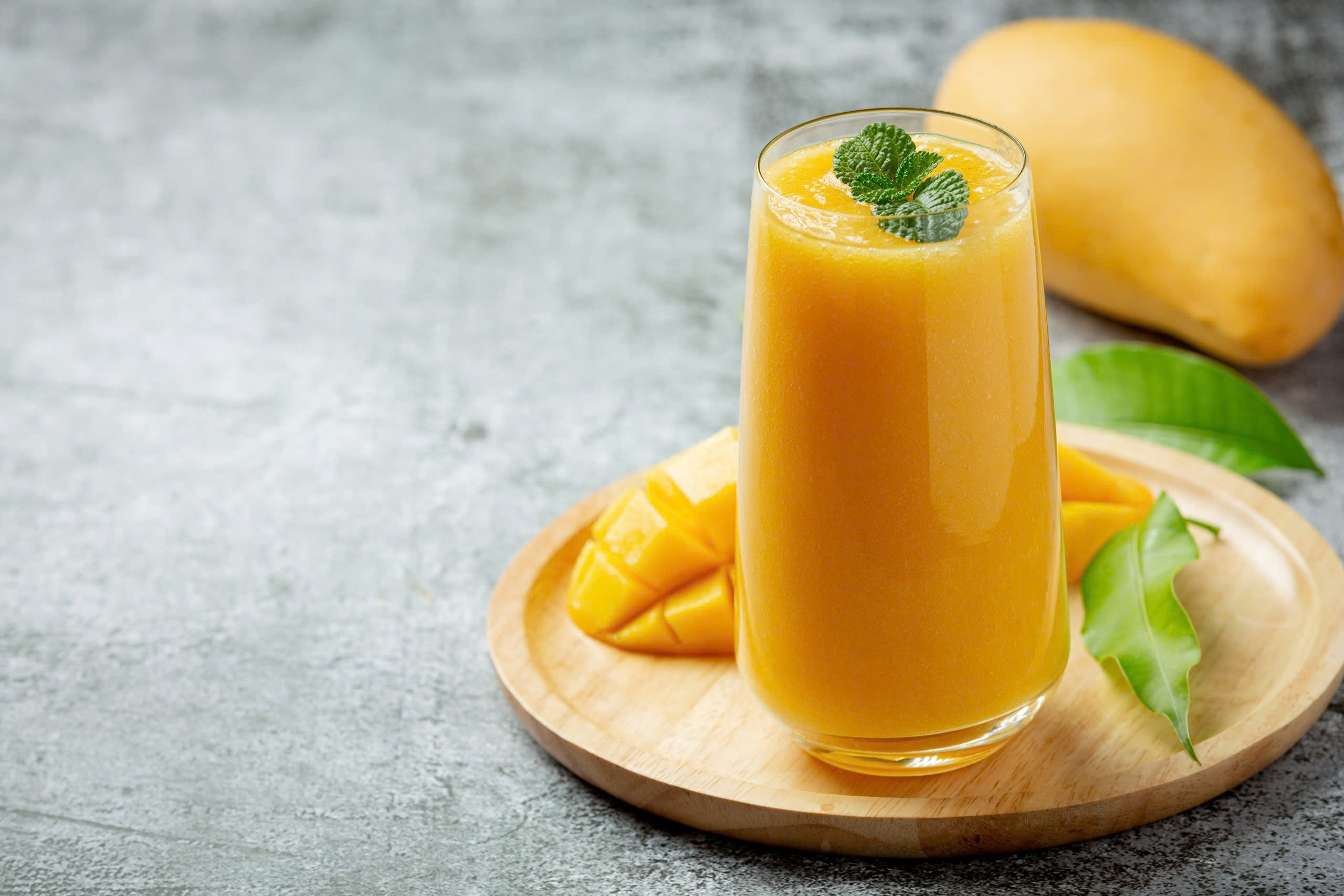
Frozen mangoes are an ideal ingredient for smoothies thanks to their natural sweetness, distinctive aroma, and ability to create a smooth, creamy texture without requiring too much ice. Depending on your preference, you can combine mangoes with bananas, yogurt, or coconut milk to create a variety of smoothie recipes. Using IQF frozen mangoes also shortens preparation time because there is no need to peel, cut, or chill the mangoes before blending.
Basic mango smoothie recipe (2 servings):
- 300 g frozen mangoes
- 1 ripe banana
- 100 g unsweetened yogurt
- 100–150 ml fresh milk or water
- 10–15 ml honey, to taste
- Add 5–10 ice cubes if you prefer a colder smoothie
Method: Add the frozen mangoes, banana, yogurt, and fresh milk to a blender. Blend at high speed for about 1–2 minutes until the mixture reaches the desired smooth and creamy consistency. Taste and adjust the sweetness with honey. If the smoothie is too thick, gradually add a little milk or water; if you want a thicker and colder smoothie, increase the amount of frozen mangoes.
Other combination ideas:
- Mango–coconut: 300 g frozen mangoes + 150 ml coconut milk + 100 ml fresh milk + 10 ml honey.
- Mango–strawberry: 250 g frozen mangoes + 150 g strawberries + 100 g yogurt + 100 ml fresh milk.
- Mango–passion fruit: 300 g frozen mangoes + 80–100 ml passion fruit juice + 100 ml water + 10–15 ml honey.
- Mango–banana: 300 g frozen mangoes + 1 banana + 100 g yogurt + 100–150 ml fresh milk.
With these recipes, frozen mangoes can be used directly after being removed from the freezer, providing natural chill and reducing the amount of additional ice needed. This is a simple way to incorporate frozen mangoes into beverages at home, cafés, restaurants, and foodservice establishments.
Mango Yogurt, Granola, and Breakfast Ideas
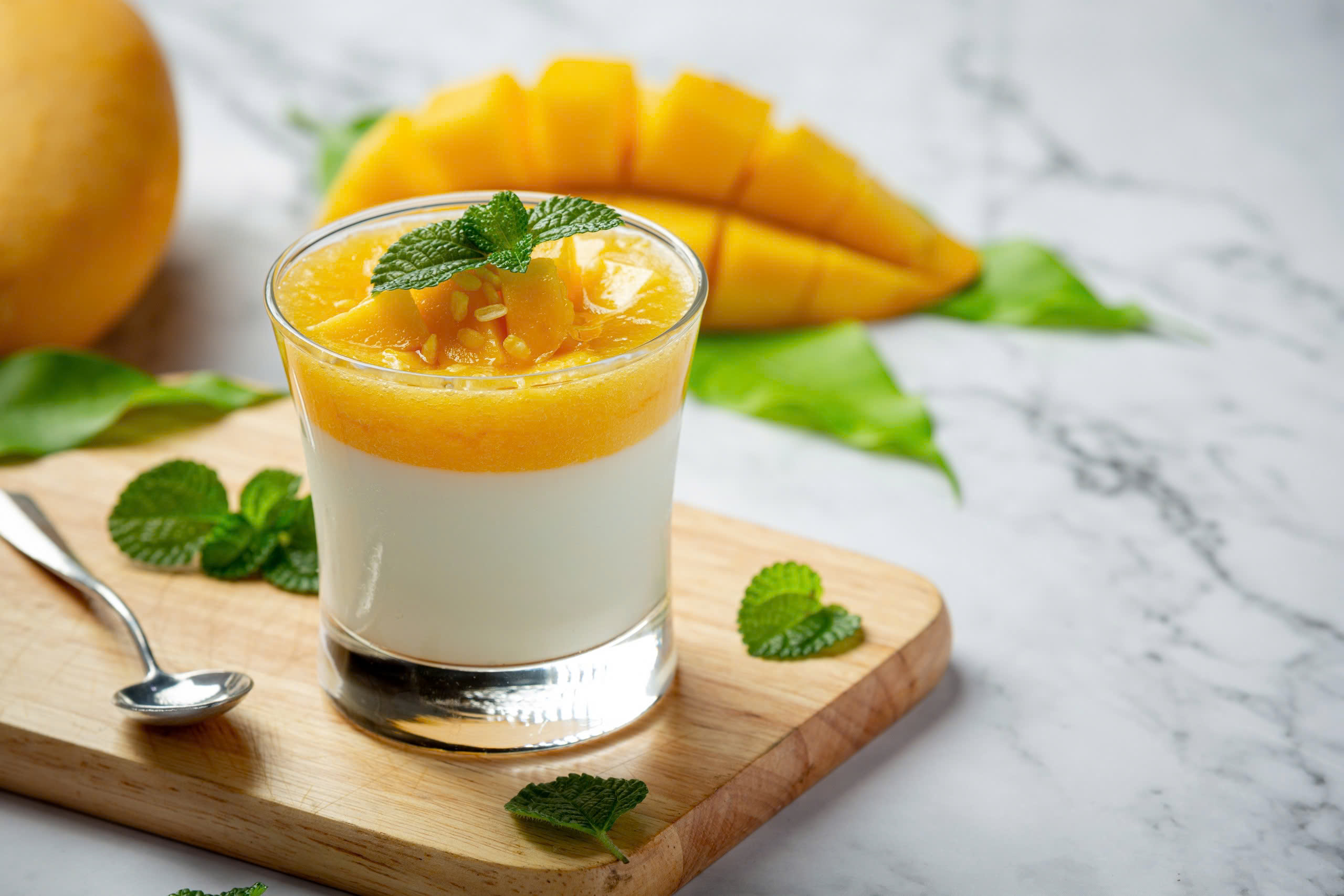
Mango yogurt combined with granola is a simple option for breakfast or a snack. After thawing, frozen mangoes have a naturally sweet flavor that pairs with the mild creaminess of yogurt and the crunch of granola, creating a balanced combination of flavors and textures. Using IQF frozen mangoes can save preparation time and make it easy to adjust portion sizes according to your needs.
Mango yogurt granola recipe (1 serving):
- 150 g frozen mangoes
- 150 g unsweetened yogurt
- 30–40 g granola
- 10–15 g honey, to taste
- 10 g chia seeds or nuts such as almonds or walnuts, optional
Instructions:
- Thaw the mangoes: Take approximately 150 g of frozen mangoes out of the freezer and thaw them in the refrigerator until softened. If using diced mangoes, you can keep the pieces intact for a more enjoyable texture or lightly mash them into a mango sauce.
- Prepare the yogurt: Add 150 g of unsweetened yogurt to a bowl or glass. Add 10–15 g of honey if you prefer a sweeter taste.
- Layer the ingredients: Add a layer of yogurt to the glass, followed by mangoes, then a layer of granola. Repeat the layers if using a tall glass.
- Finish: Top with additional granola, chia seeds, or nuts. Serve immediately after assembling to keep the granola crunchy.
Tip: If you want a cooler dish with a more ice-cream-like texture, you can use partially thawed frozen mangoes instead of fully thawing them. For the granola, add it just before serving to prevent it from becoming soft from contact with the yogurt and fruit juices.
With its simple preparation and quick serving time, mango yogurt with granola is suitable for breakfast at home, as a snack, or as a menu option for cafés, restaurants, and foodservice establishments.
Mango Ice Cream
Frozen mangoes can be blended directly with yogurt, coconut milk, and a small amount of honey to create a smooth, fragrant, and refreshing mango ice cream. Thanks to the use of frozen mangoes, you do not need to add too much ice, which helps prevent the ice cream from becoming watery and preserves the distinct fruit flavor. This is a simple dessert that is perfect for enjoying on hot days.
Yogurt mango ice cream recipe (2–3 servings):
- 400 g frozen mangoes
- 150 g unsweetened yogurt
- 80 ml coconut milk
- 15–20 ml honey or sugar syrup, to taste
- 5 ml lime juice, optional
Instructions:
- Prepare the mangoes: Take the frozen mangoes out and let them sit for about 5–10 minutes so they soften slightly while remaining cold. Do not allow the mangoes to thaw completely, as this can make the mixture too watery.
- Blend the mixture: Add the frozen mangoes, yogurt, coconut milk, and honey to a blender. Blend at high speed until the mixture becomes smooth, thick, and uniform.
- Adjust the flavor: Add about 5 ml of lime juice if you want a more balanced flavor. Adjust the sweetness according to the ripeness and natural sweetness of the mangoes.
- Serve or freeze: If you prefer a soft-serve texture, enjoy immediately after blending. For a firmer texture, transfer the mixture to an airtight container and freeze for about 3–4 hours.
- Soften before serving: If the ice cream has been completely frozen, let it sit at room temperature for about 5–10 minutes before serving to make it softer and easier to scoop.
Tip: A ratio of approximately 400 g mangoes : 150 g yogurt : 80 ml coconut milk gives the ice cream a thick consistency and a relatively pronounced mango flavor. For a stronger mango flavor, increase the amount of mangoes; for a richer and smoother texture, slightly increase the amount of coconut milk.
This recipe can also be adapted into mango popsicles, mango ice cream cups, or chocolate-covered mango ice cream, depending on the intended use.
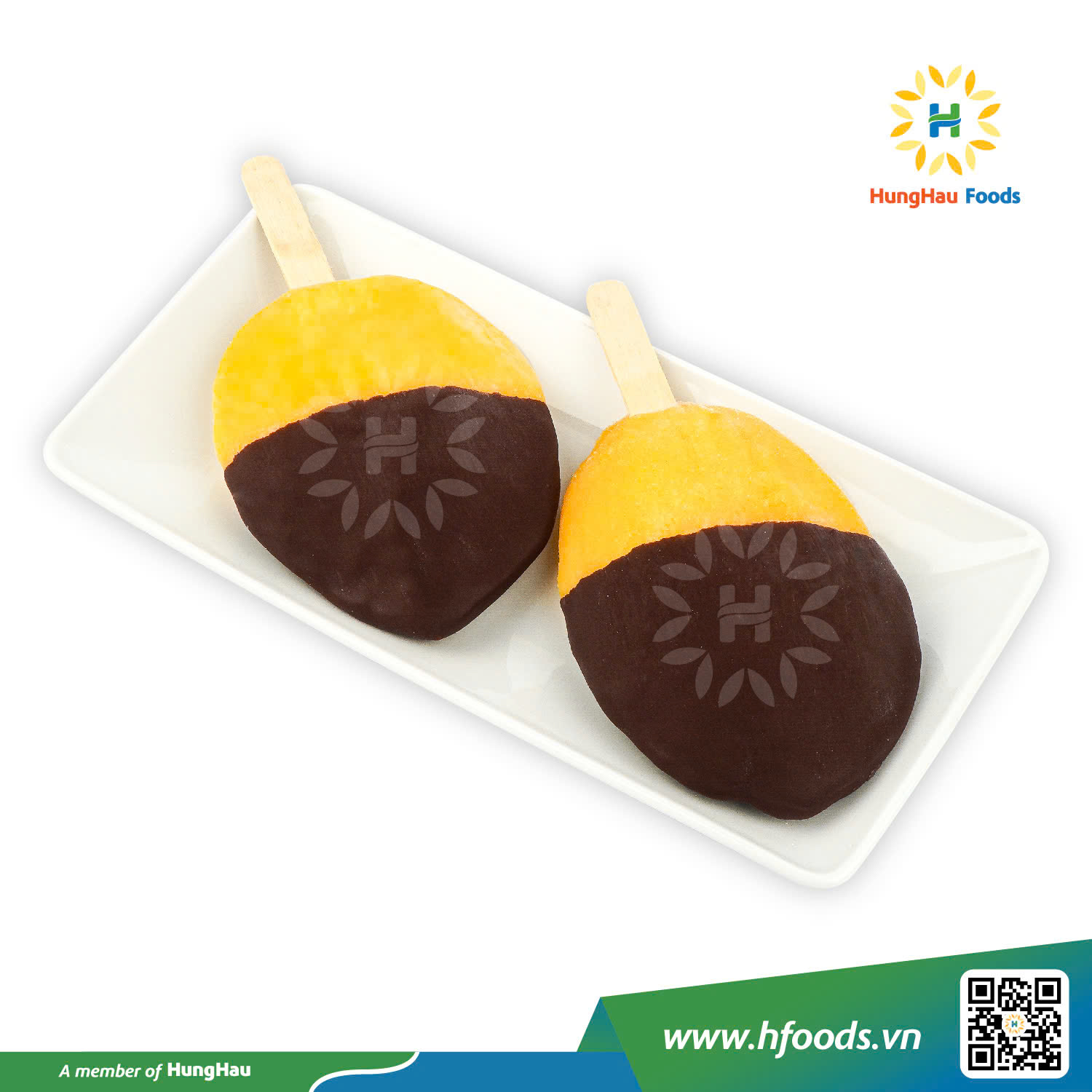
HungHau Foods Chocolate-Covered Mango Ice Cream
In addition to IQF frozen mango products for food processing applications, HungHau Foods has also developed frozen mango ice cream coated with chocolate—a combination of the mango’s natural sweetness and distinctive aroma with an outer chocolate coating. The product offers a new way to enjoy fruit in a snack format, catering to the growing preference for convenient products and more diverse fruit-based snacks.
The mangoes are carefully selected, pre-processed, and handled under controlled quality procedures before being combined with the outer chocolate coating. The mango inside offers a naturally sweet and tangy flavor with a cool, soft texture, while the chocolate coating provides a light crunch and rich flavor, creating an appealing contrast between fruit and chocolate.
Chocolate-covered frozen mango ice cream can be enjoyed as a dessert, fruit snack, or ready-to-eat product. It is also a suitable option for businesses looking to develop processed fruit products, fruit snacks, or private-label/OEM products tailored to their specific requirements.
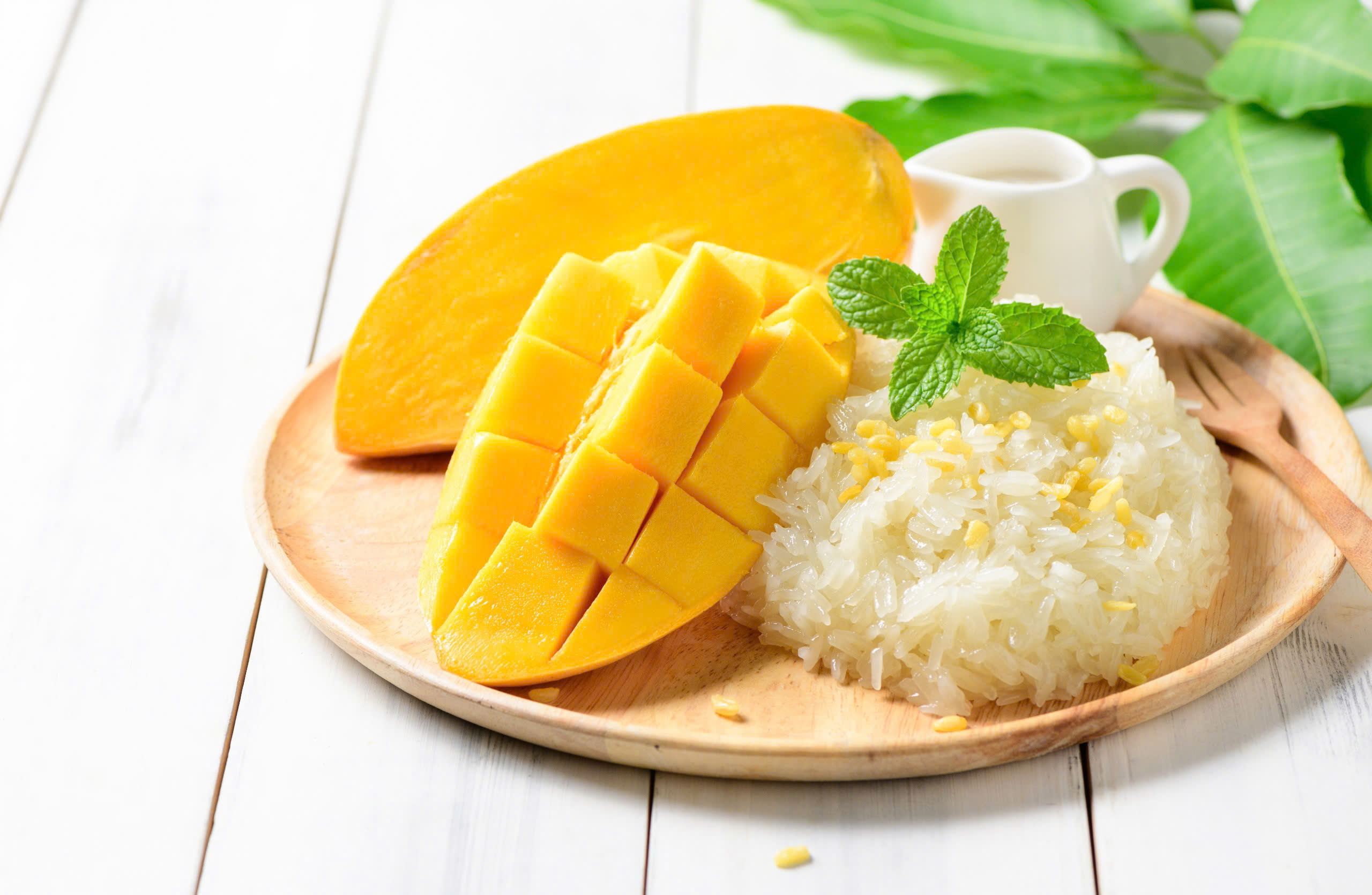
Mango Sticky Rice or Mango Sweet Soup
Sliced ripe mangoes combined with chewy sticky rice and coconut milk create the familiar mango sticky rice dish found in Vietnamese and Thai cuisine. In addition, frozen mangoes can also be used to make mango sweet soup, combined with jelly, basil seeds, or tapioca pearls to create a refreshing and easy-to-make dessert.
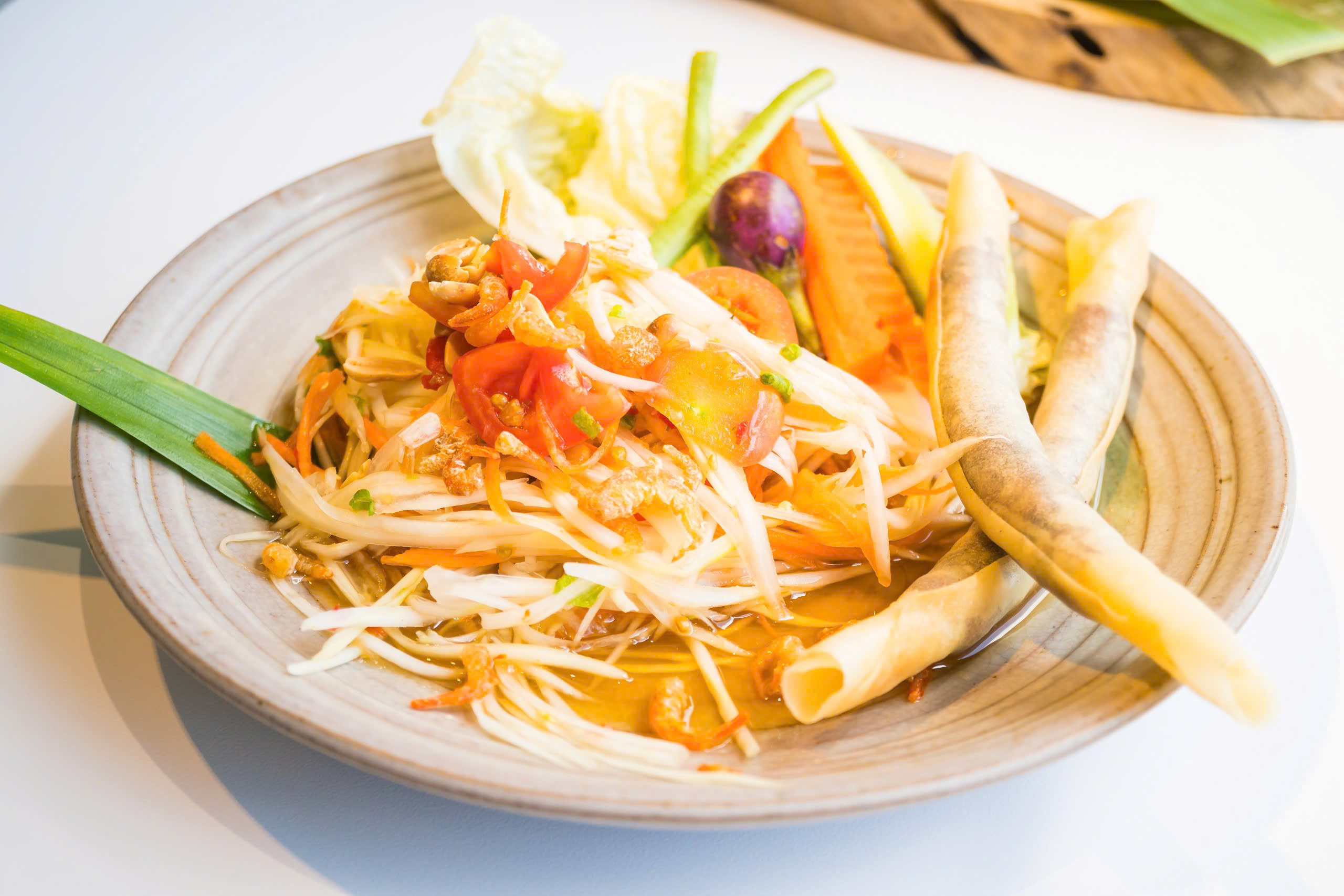
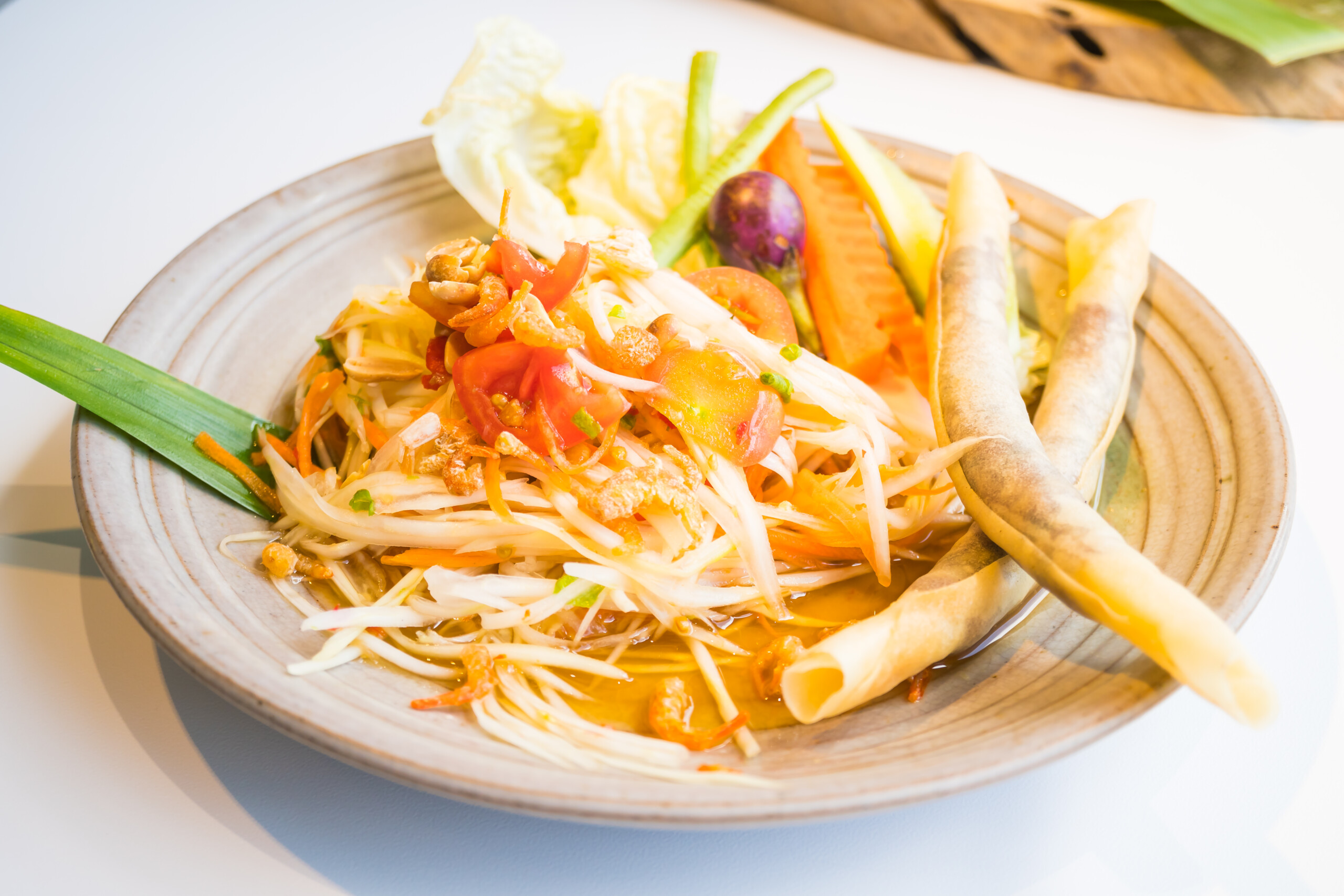
Green Mango Salad
With frozen green mangoes in shredded or sliced form, you can easily prepare a sweet-and-sour spicy mango salad featuring the mango’s mild tartness, the sweet and savory dressing, and the crunch of roasted peanuts. Combined with dried shrimp and fresh herbs, this dish makes a great appetizer or light snack. Using pre-processed frozen mangoes also saves time on peeling, slicing, and ingredient preparation.
Green mango salad recipe (2–3 servings):
Ingredients:
- 300 g frozen green mangoes, shredded or sliced
- 50 g dried shrimp
- 30 g roasted peanuts
- 20 g Vietnamese coriander (rau ram)
- 1–2 chili peppers
- 2 cloves garlic
- 30 ml fish sauce
- 25 ml lime juice
- 20 g sugar
- 10–15 ml water
Instructions:
- Prepare the mangoes: Thaw the mangoes in the refrigerator until they are just softened. If the mangoes release a lot of water, gently drain them before mixing to prevent the salad from becoming watery.
- Prepare the dried shrimp: Soak the dried shrimp in warm water for about 10–15 minutes until softened, then rinse and drain. You can also lightly fry or sauté the shrimp with a little oil to enhance their aroma.
- Prepare the dressing: Add 30 ml fish sauce, 25 ml lime juice, 20 g sugar, and 10–15 ml water to a bowl. Stir until the sugar dissolves, then add minced garlic and chili. Taste and adjust the balance of sourness, saltiness, and sweetness to your preference.
- Mix the salad: Place the mangoes, dried shrimp, and Vietnamese coriander in a large bowl. Gradually pour the dressing over the ingredients and gently toss so that the mango absorbs the flavors without becoming crushed.
- Finish: Transfer the salad to a serving plate, sprinkle roasted peanuts on top, and garnish with additional Vietnamese coriander or sliced chili. Serve immediately after mixing to preserve the crunch of the mangoes and peanuts.
Tip: If using shredded frozen mangoes, avoid thawing them for too long, as they may become soft and release too much water. Adjust the amount of sugar and lime juice according to the natural tartness of the mangoes. For a richer flavor, you can add shredded beef jerky, dried squid, or fried shallots.
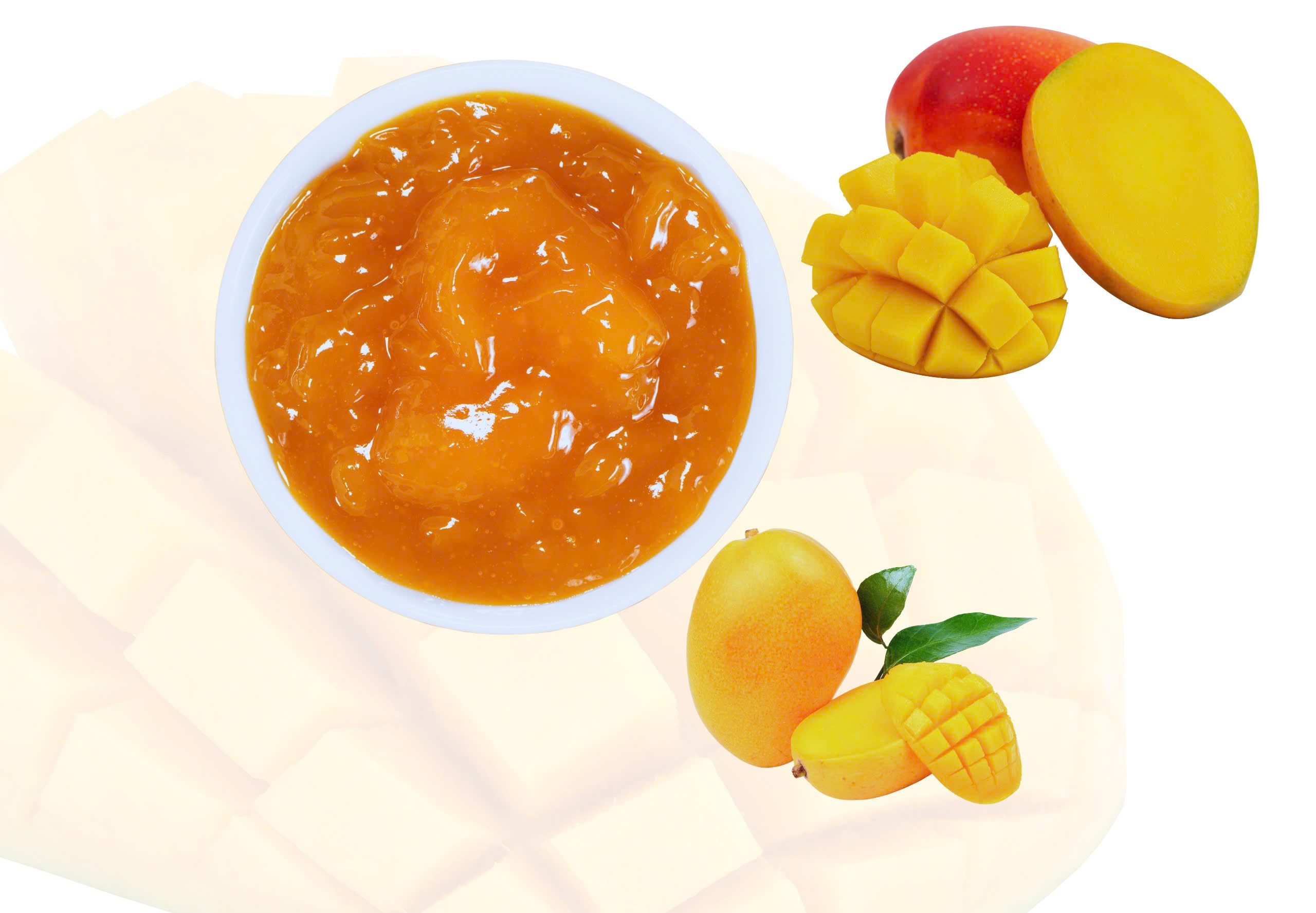
Mango Cakes and Desserts
After thawing, frozen mangoes can be used in a wide variety of cakes and desserts, such as mango tarts, mango mousse, Swiss roll cakes, and mango flan. The mango’s natural sweetness, distinctive aroma, and vibrant yellow color make desserts even more appealing. In particular, frozen mango puree or mango chunks can be used as fillings, toppings, or mango sauces, helping save preparation time.
Simple Mango Mousse Recipe (4–5 servings)
Ingredients:
Cake base:
- 100 g digestive biscuits
- 40 g unsalted butter, melted
Mango mousse:
- 250 g frozen mangoes
- 150 ml whipping cream
- 100 g unsweetened yogurt
- 40–50 g sugar
- 8 g powdered gelatin or an equivalent amount of gelatin sheets
- 30 ml water
- 10 ml lime juice
For decoration:
- 50–80 g thawed frozen mangoes
- A few mint leaves or dried coconut, optional
Instructions:
- Prepare the cake base: Crush 100 g of biscuits into fine crumbs and mix well with 40 g of melted unsalted butter. Transfer the mixture to the bottom of a cake mold, press firmly with a spoon, and refrigerate for about 20–30 minutes.
- Make the mango puree: Thaw 250 g of mangoes, drain well, and blend with 10 ml of lime juice until smooth. Strain through a sieve if you prefer a smoother mousse texture.
- Prepare the gelatin: Soak 8 g of gelatin in 30 ml of water for about 5–10 minutes until softened. Then gently heat the gelatin until completely dissolved. Do not boil.
- Mix the mango mixture: Combine the mango puree with 100 g of yogurt and 40–50 g of sugar. Add the dissolved gelatin and stir well.
- Whip the cream: Whip 150 ml of whipping cream until soft peaks form. Avoid over-whipping so that the mousse remains light and smooth.
- Combine the mousse: Divide the whipped cream into 2–3 portions and gently fold each portion into the mango mixture to preserve the airiness of the cream.
- Pour into the mold and chill: Pour the mousse mixture over the prepared cake base. Smooth the surface and refrigerate for at least 4–6 hours, or until the mousse is fully set.
- Decorate: Once the mousse has set, decorate with diced mangoes, mango puree, or a few mint leaves before serving.
Tip: If using frozen mango puree, you can skip the blending step, reducing preparation time. Depending on the natural sweetness of the mangoes, the amount of sugar can be adjusted to approximately 40–50 g. For a more intense mango flavor, increase the amount of puree to 300 g and slightly reduce the amount of yogurt.
In addition to mango mousse, frozen mangoes can also be used as a filling for mango tarts, a topping for cheesecakes, mango sauce, mango flan, or filling for Swiss roll cakes, expanding the versatility of frozen mangoes in homemade desserts and professional bakery applications.
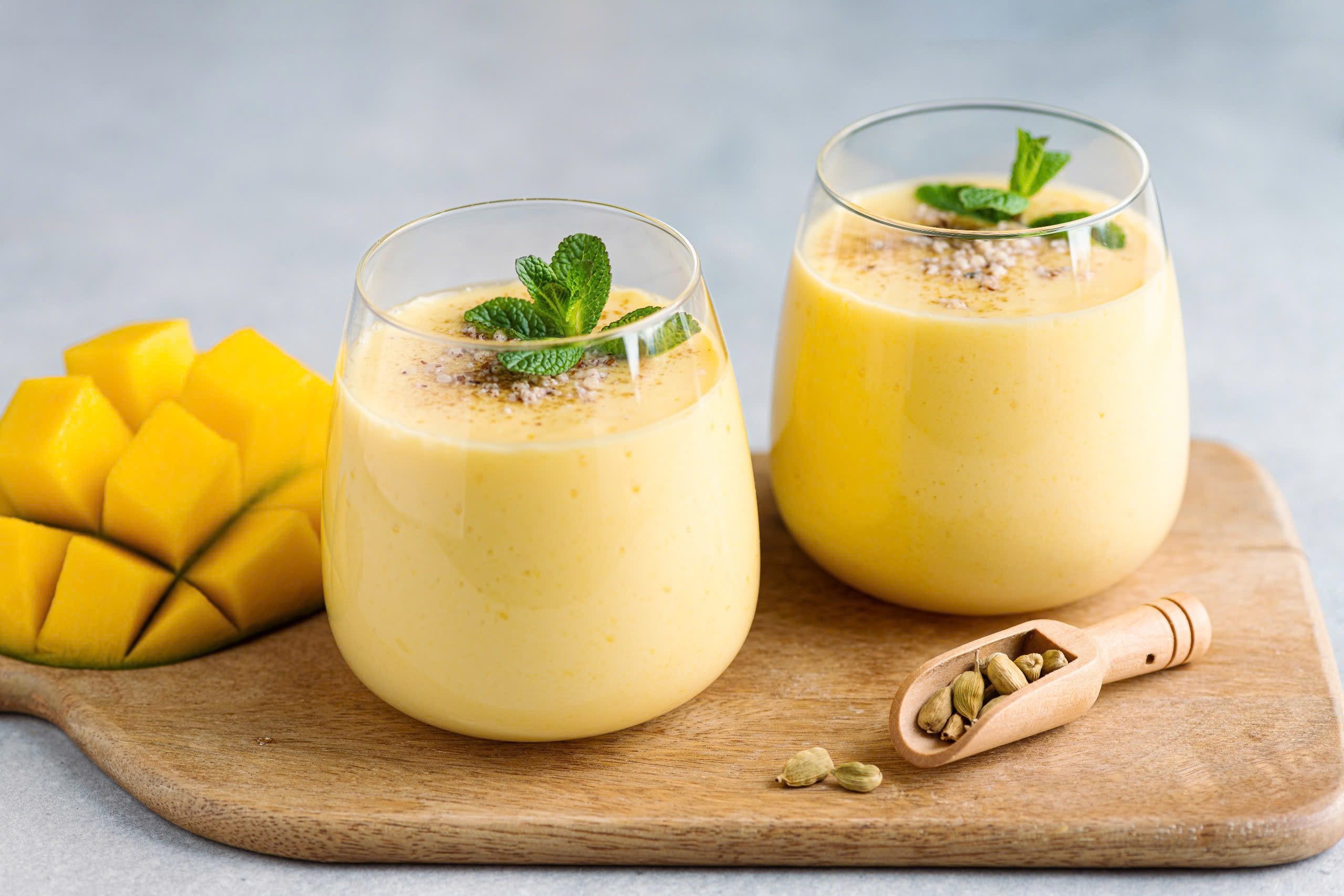
Drink Ideas Using Frozen Mangoes
Frozen mangoes are not only suitable for food preparation but are also an ideal ingredient for a variety of beverages thanks to their natural sweetness, distinctive aroma, and refreshing chill. You can use them directly without adding too much ice, helping beverages retain their rich flavor without becoming diluted. Below are some simple drink ideas that you can easily prepare at home.
Mango and Banana Smoothie
Mango combined with banana and yogurt creates a smoothie with natural sweetness, a harmonious aroma, and a smooth, creamy texture. Frozen mangoes provide the smoothie with natural chill and thickness without requiring too much ice. You can also add chia seeds or oats for extra texture and a more diverse nutritional profile.
Mango Banana Smoothie Recipe (2 servings):
Ingredients:
- 250 g frozen mangoes
- 1 ripe banana, approximately 100–120 g
- 150 g unsweetened yogurt
- 100–150 ml unsweetened fresh milk
- 10–15 ml honey, to taste
- 10 g chia seeds or 20 g oats, optional
- 3–5 ice cubes, if you prefer a colder drink
Instructions:
- Prepare the ingredients: Peel the banana and cut it into slices. Frozen mangoes can be used directly or left at room temperature for about 5 minutes to soften slightly.
- Add the ingredients to the blender: Place the frozen mangoes, banana, yogurt, and 100 ml of fresh milk into a blender. Add honey if you prefer a sweeter taste.
- Blend the smoothie: Blend at high speed for about 1–2 minutes until the mixture becomes smooth and thick. If the smoothie is too thick, gradually add more fresh milk until it reaches the desired consistency.
- Add chia seeds or oats: Add the chia seeds or oats after blending and blend for another 10–15 seconds. If using chia seeds, you can soak them in a little water for about 5–10 minutes beforehand to soften them.
- Finish: Pour the smoothie into glasses and serve immediately. You can garnish with a few slices of banana, mango, or a sprinkle of chia seeds.
Tip: A ratio of 250 g mangoes : 1 banana : 150 g yogurt gives the smoothie a distinct mango flavor while maintaining the creaminess and thickness provided by the banana and yogurt. If the mangoes are already very sweet, you can reduce or omit the honey. For the oat version, rolled oats are recommended, and blending thoroughly will help create a smoother texture.
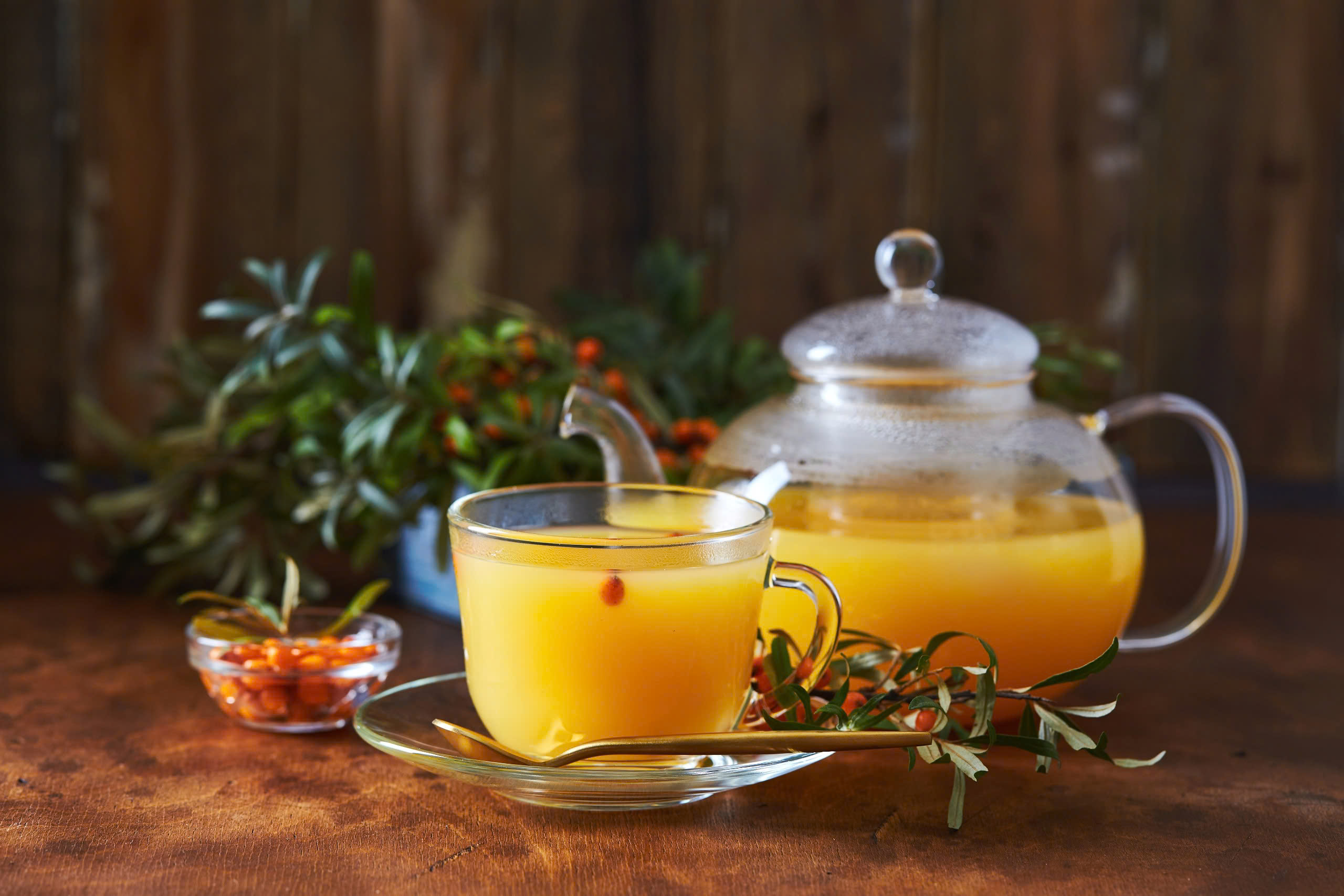
Tropical Mango Tea
Mango tea is a simple beverage that combines the mild astringency of tea with the natural sweetness and distinctive aroma of mangoes. Using frozen mangoes adds a refreshing chill to the drink without requiring too much ice, while the mango pieces can continue to release their flavor as they infuse in the tea. You can use black tea or green tea according to your preference, combined with honey and lemon to create a balanced sweet-and-sour flavor.
Tropical Mango Tea Recipe (2 servings):
Ingredients:
- 250 g frozen mangoes
- 500 ml brewed black tea or green tea
- 20–25 ml honey
- 20 ml lemon juice
- 2–3 slices of fresh lemon
- 100 g ice cubes, optional
- 5–10 mint leaves, optional
Instructions:
- Brew the tea: Use approximately 5–7 g of loose-leaf tea or 2 tea bags with 500 ml of hot water. For green tea, use water at approximately 75–85°C; for black tea, water at approximately 90–95°C can be used. Steep for about 3–5 minutes, then strain out the tea leaves or remove the tea bags. Allow the tea to cool slightly.
- Prepare the mangoes: Take 250 g of frozen mangoes out of the freezer. Depending on the cut, you can let the mangoes soften slightly or use them directly while frozen.
- Make the mango tea: Place approximately 150 g of mangoes in a pitcher, then add the honey and lemon juice. Lightly mash part of the mangoes with a spoon to release their juice and aroma, while keeping some mango pieces intact.
- Add the tea: Pour the 500 ml of cooled tea into the pitcher and stir well. Taste and adjust the amount of honey or lemon according to your preference.
- Finish: Add ice and the remaining mango pieces to the glasses, then pour the mango tea over them. Garnish with lemon slices and a few mint leaves before serving.
Tip: A ratio of 250 g mangoes to 500 ml tea provides a distinct mango flavor while still maintaining the tea’s character. For a more fruit-forward beverage, you can increase the mango to 300 g. To prevent the tea from becoming bitter or overly astringent, avoid steeping it for too long. If the mangoes are particularly tart, you can slightly increase the amount of honey; conversely, if the mangoes are naturally sweet and ripe, you can reduce the amount of honey.
In addition to black and green tea, you can combine mangoes with oolong tea, jasmine tea, or peach tea to create a variety of fruit tea variations.
Sweet and Tangy Mango Soda
Mango soda is a simple beverage that combines the sweet and aromatic flavor of mangoes with the mild tartness of lime and the refreshing fizz of carbonated soda. Using frozen mangoes provides natural chill and reduces the amount of ice needed. A few mint leaves add extra aroma, creating a refreshing drink that is perfect for hot days or social gatherings.
Mango Soda Recipe (2 servings):
Ingredients:
- 200 g frozen mangoes
- 300 ml unsweetened soda water
- 30 ml lime juice
- 30–40 ml sugar syrup or 25–30 ml honey
- 100 g ice cubes
- 5–8 mint leaves
- 2 slices of fresh lime for garnish
Instructions:
- Make the mango sauce: Thaw 150 g of frozen mangoes in the refrigerator. Place the mangoes in a blender with 15 ml of lime juice and 20 ml of sugar syrup. Blend until smooth. If the mixture is too thick, add 10–20 ml of water.
- Prepare the glasses: Add ice cubes to two glasses. Add the remaining diced mangoes and a few mint leaves.
- Make the soda: Divide the mango sauce evenly between the two glasses, then slowly pour approximately 150 ml of soda water into each glass. Pour gently to prevent the soda from overflowing.
- Finish: Add a few drops of lime juice if you prefer a more pronounced tartness. Stir gently from the bottom upward to combine the ingredients. Garnish with lime slices and mint leaves, then serve immediately.
Tip: A ratio of 200 g mangoes : 300 ml soda : 30 ml lime juice creates a distinct mango flavor with a balanced sweet-and-tart profile. If the mangoes are particularly tart, slightly increase the amount of syrup. If the mangoes are naturally sweet and ripe, reduce the syrup for a lighter taste. Add the soda last and stir gently to preserve the carbonation.
You can also create variations of mango soda by combining it with passion fruit, strawberries, or peaches for different tropical fruit flavors.
Mango Frappe
Frozen mangoes are ideal for making frappes thanks to their ability to naturally provide chill and a thick texture. When blended with coconut water or fresh milk, mango creates a refreshing beverage with a pronounced fruity flavor. Yogurt or condensed milk can be added according to preference to enhance creaminess and create a smoother texture.
Mango Frappe Recipe (2 servings):
Ingredients:
- 300 g frozen mangoes
- 150 ml fresh coconut water or 120 ml unsweetened fresh milk
- 80–100 g ice cubes
- 30–40 ml condensed milk
- 50 g unsweetened yogurt
- 10 ml lime juice, optional
Instructions:
- Prepare the mangoes: Take 300 g of frozen mangoes out of the freezer and let them sit for approximately 5 minutes to soften slightly. Do not thaw completely.
- Add the ingredients to the blender: Place the frozen mangoes, coconut water or fresh milk, condensed milk, yogurt, and lime juice into a blender. Add approximately 80 g of ice cubes.
- Blend: Blend at high speed for about 1–2 minutes until smooth. If the blender has difficulty processing the mixture, gradually add a small amount of coconut water or fresh milk instead of adding too much liquid at once.
- Adjust: Taste and adjust the sweetness with condensed milk. If you prefer a thicker drink, add another 20–30 g of frozen mangoes or a small amount of ice.
- Finish: Pour the mango frappe into glasses and serve immediately. Garnish with diced mangoes, mint leaves, or whipped cream as desired.
Tip: For a more intense mango flavor and thicker texture, use approximately 300–350 g of frozen mangoes for 2 servings and limit the amount of liquid. For a lighter version, use coconut water instead of fresh milk and reduce the condensed milk. If the mangoes are already very sweet, adjust the amount of condensed milk to prevent the drink from becoming overly sweet.
Mango Mocktail
Blending frozen mangoes with passion fruit juice, syrup, and a little soda creates a colorful mocktail with a harmonious sweet-and-tart flavor, making it a great choice for parties or gatherings with friends.
Tips for Using Frozen Mangoes More Efficiently and Economically
To make the most of the convenience of frozen mangoes, it is helpful to plan how you use and store them properly. The following tips can not only save preparation time but also reduce food waste and help maintain product quality throughout storage.
Use Frozen Mangoes Instead of Ice Cubes in Beverages
Instead of using ice cubes, add a few pieces of frozen mango to juices, smoothies, or mocktails. This keeps the beverage chilled without diluting the flavor as the ice melts, while also adding extra aroma and natural sweetness from the mango.
Pre-Blend Smoothie Ingredients in Individual Portions
You can divide mangoes and other fruits such as bananas, pineapple, or strawberries into small, single-serving bags. When needed, simply blend the prepared ingredients with milk or coconut water to make a delicious smoothie, significantly reducing preparation time.
Use Softened Mangoes for Sauces, Preserves, or Cake Fillings
If mangoes have thawed and no longer maintain an attractive shape, they can still be used to make preserves, sauces, cake fillings, or mango puree for grilled dishes. This is an effective way to reduce food waste and make the most of the ingredients.
Plan Your Menu Before Opening the Package to Minimize Repeated Thawing
Before opening the package, determine the amount of mango needed for each dish or beverage. Portioning the mangoes in advance helps minimize repeated thawing and refreezing, thereby preserving the quality, flavor, and nutritional value of frozen mangoes.
Frequently Asked Questions About Frozen Mangoes
In addition to the convenience and long shelf life they offer, many people still have questions about how to use and store frozen mangoes properly and safely. Below are some frequently asked questions and answers to help you use frozen mangoes more effectively for food preparation and storage.
How Long Do Frozen Mangoes Last?
When continuously stored at -18°C or below, frozen mangoes typically have a shelf life of 12–24 months, depending on the production process and the manufacturer’s guidelines. After opening the package, it is recommended to use the product as soon as possible and keep it tightly sealed to maintain the best quality.
Do Frozen Mangoes Need to Be Washed Before Use?
For products manufactured in facilities that meet food safety standards and are securely packaged, frozen mangoes generally do not need to be washed before use. However, you should always check the instructions on the packaging and only wash the mangoes if recommended by the manufacturer or when required for a specific preparation method.
Can Frozen Mangoes with Frost or Ice Be Used?
If only a thin layer of frost has formed during storage, the product can generally still be used normally. However, if the mangoes have excessive ice buildup, are stuck together in one large block, or show signs of having thawed and been refrozen, their quality and flavor may be affected. In such cases, carefully check the smell, color, and overall condition of the product before use.
With their delicious flavor, long storage life, and versatile applications, frozen mangoes are a convenient solution for both households and businesses in food preparation. From smoothies, juices, and desserts to savory dishes, frozen mangoes help save preparation time while maintaining their nutritional value and natural flavor. HungHau Foods provides high-quality frozen mangoes to meet the needs of both domestic and international markets.
CONTACT INFORMATION:
Email: sales@hunghau.vn
Hotline: (+84)79 721 3333
Email: hana@hunghau.vn
Hotline: (+84)79 721 3333
Email: yenn@hunghau.vn
Hotline: (+84)78 520 3333
LinkedIn: https://www.linkedin.com/company/hung-hau-foods
HungHau Foods Joint Stock Company (HungHau Foods)
Agricultural Products Exporter – Supplier of Frozen Fruits and Vegetables in Vietnam
642 Au Co Street, Bay Hien Ward, Ho Chi Minh City, Vietnam.
HungHau Fruits and Vegetables Co., Ltd.: 45D/TB QL54, Tan Binh Hamlet, Lai Vung Commune, Dong Thap Province, Vietnam.