


Internal News, News & Event
PROFILE OF A QUALIFIED FROZEN MANGO SUPPLIER
What happens if you choose an unqualified mango supplier? An IQF mango container may be rejected at the port. The raw materials may come from farms outside the registered growing area, a datalogger may be turned off for six hours, or the requirement “Brix ≥ 14” may never be included in the contract. The biggest risk is not the product itself, but the frozen mango supplier you choose.
Here is…
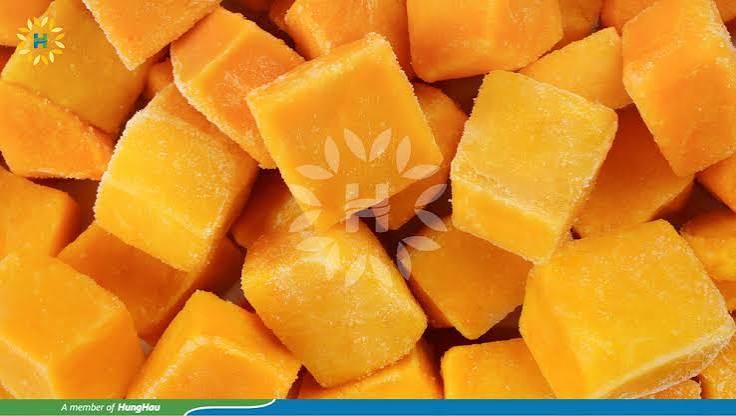
Wide Mango-Growing Areas, Supporting a More Stable Supply
Vietnam has many major mango-growing areas, from the Mekong Delta to the South Central Coast, the Central Highlands, and some northern regions. Differences in climate, soil conditions, and harvest seasons across these areas provide a diverse supply of raw materials for the processing industry.
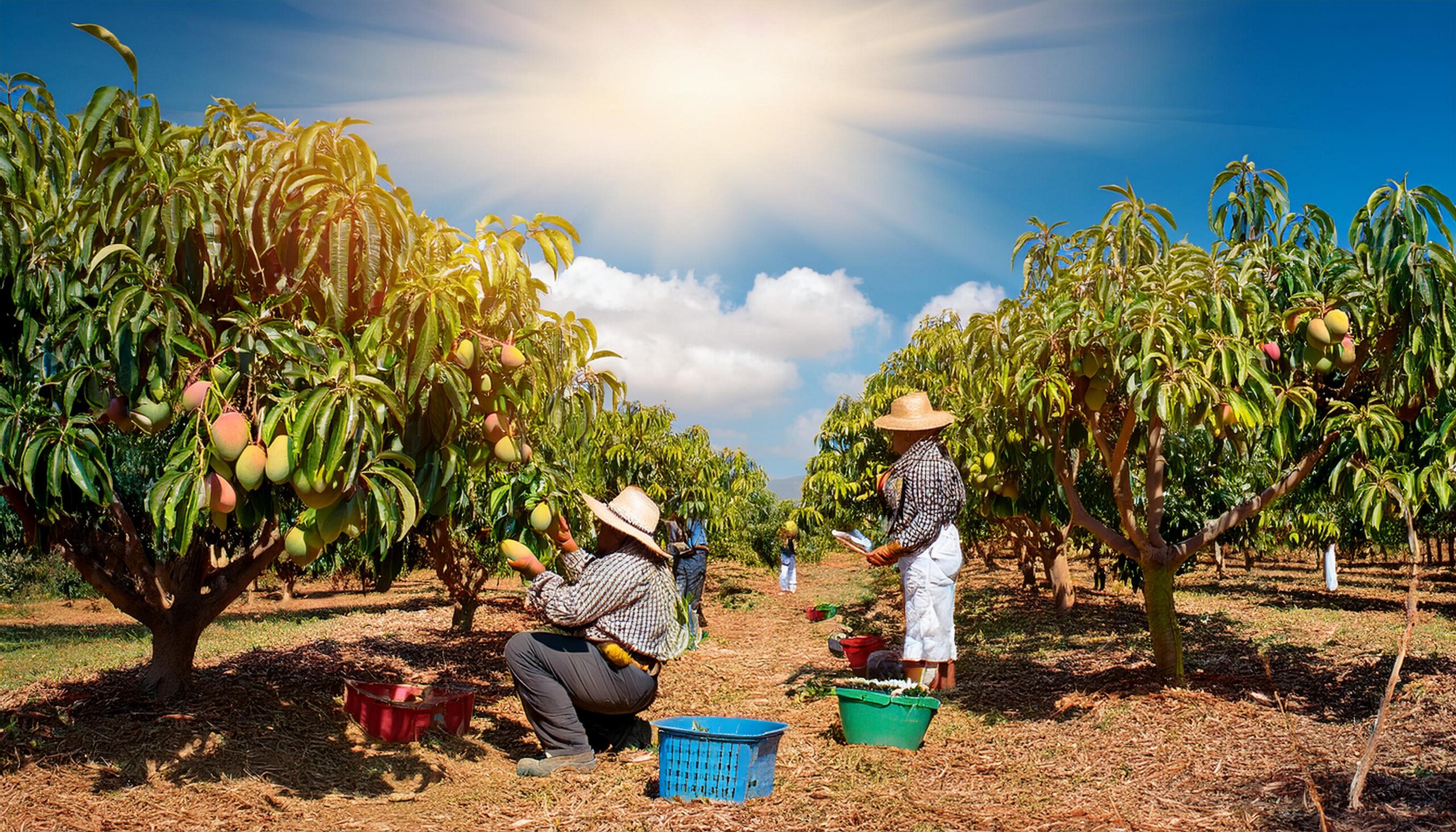
In addition to the advantages of its growing areas, flowering and off-season production techniques give farmers greater control over harvest timing. As a result, mango supplies can be distributed across different periods of the year, reducing dependence on a short harvest season.
For importers and food processing businesses, sourcing raw materials from different regions and at different times gives suppliers greater flexibility in procurement planning, supply continuity, and handling large orders. However, a stable supply depends not only on production volume but also on the ability to control growing areas, raw material quality, and traceability for each batch.
Mango Varieties Determine The Final Product
Even when using IQF technology, the quality of the finished product can vary depending on the mango variety used. Cat Chu, Cat Hoa Loc, Keo, and Kaew mangoes each have different levels of sweetness, acidity, aroma, color, fiber content, and flesh firmness.
These characteristics affect yield, texture, and color after freezing and thawing. They also determine which mango variety is most suitable for different product formats, such as mango chunks, diced mango, mango cheeks, and mango puree.
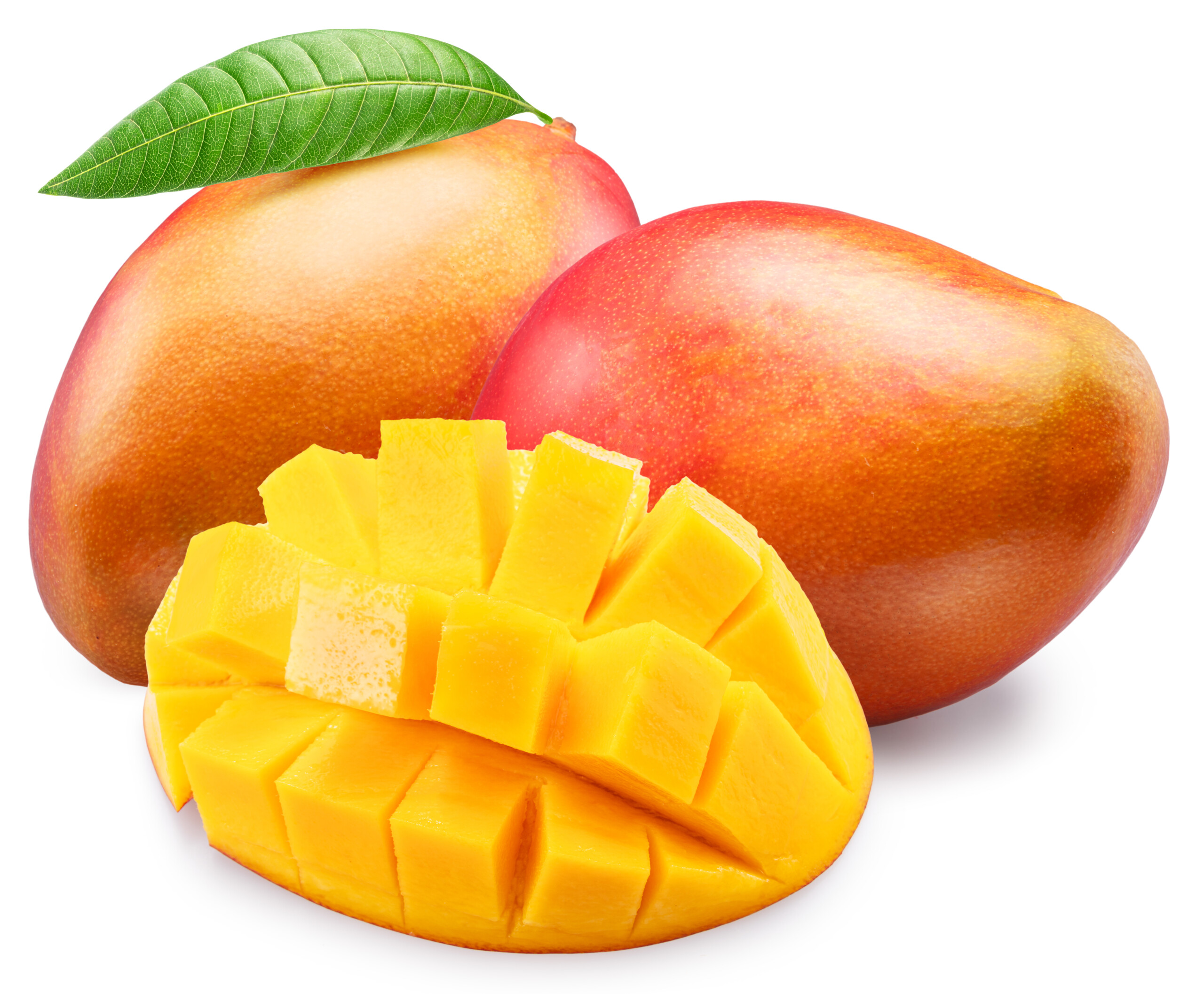
Therefore, when working with a frozen mango supplier, businesses should clearly define the mango variety, sourcing area, ripeness level, cutting specifications, and quality standards. A capable supplier should understand the characteristics of each mango variety and recommend the right raw materials for the intended use. At the same time, the supplier should ensure consistency across batches and be able to control the agreed specifications stated in the contract.
IQF Technology Creates A Difference Between Processing Plants
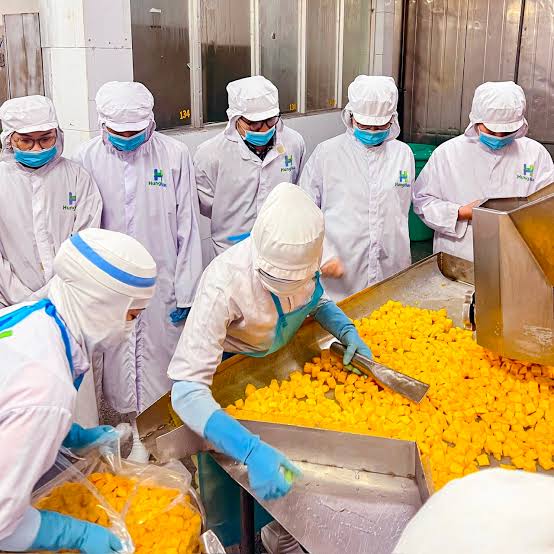
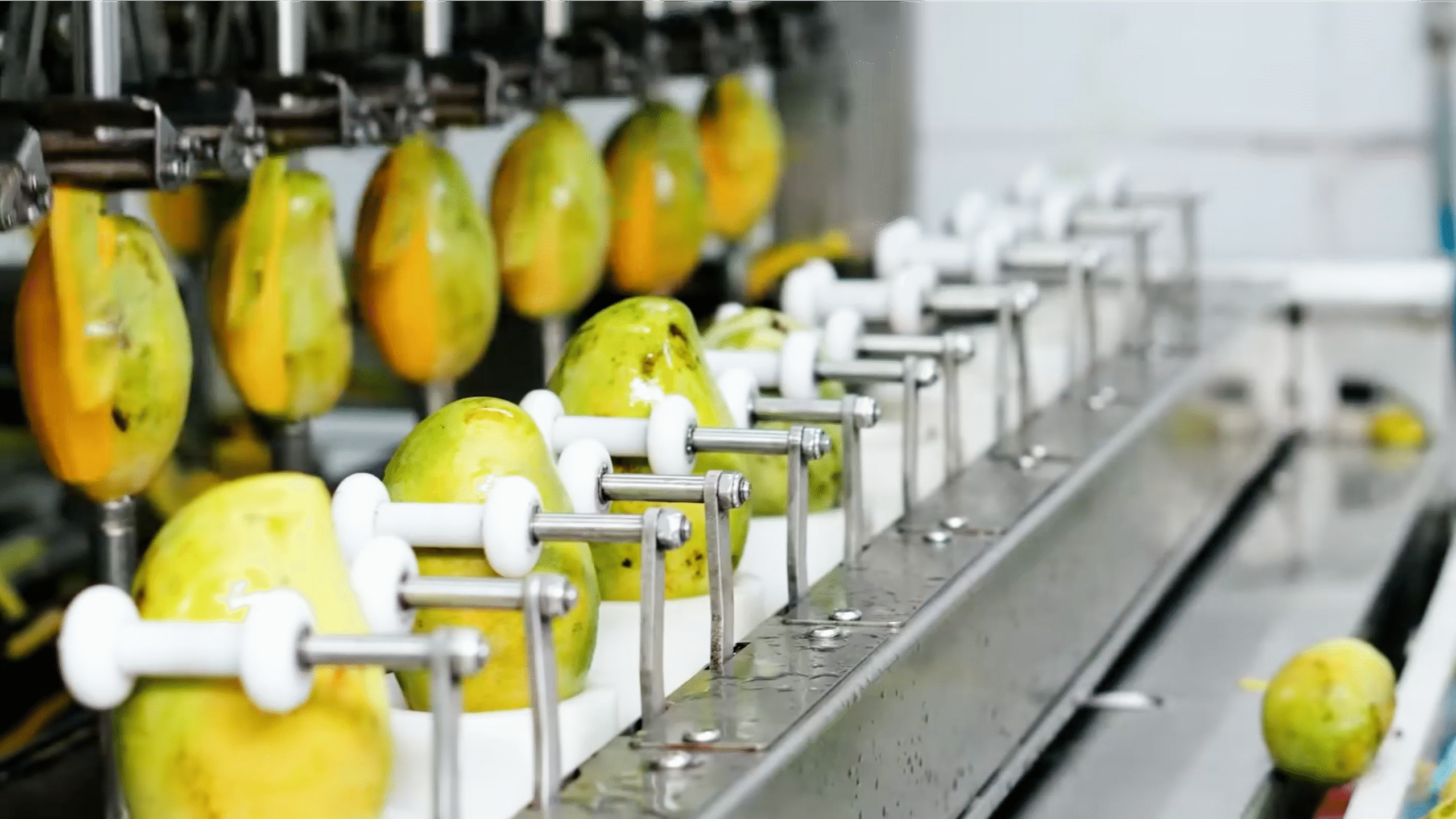
IQF (Individual Quick Freezing) is a rapid freezing technology that freezes individual mango pieces separately within a short period. This process helps limit the formation of large ice crystals, supporting the texture, color, and flavor of mango after thawing. The mango pieces also remain separate instead of freezing into a solid block, making them easier to measure and use in food production.
However, even when using the same IQF technology, the quality can vary between processing plants. Freezing performance depends on the quality of the raw materials, processing speed, freezing system capacity, temperature control, and storage conditions. Therefore, when choosing a frozen mango supplier, businesses should not only evaluate product samples but also assess the entire quality control process, from raw materials to finished products. This helps ensure consistent quality across batches.
The Profile Of A Qualified Frozen Mango Supplier
To choose the right frozen mango supplier, businesses need to check everything from legal documents, factory capacity, and cold chain management to the traceability of each batch. These factors help determine whether a supplier has the capacity to control product quality and meet order requirements.
Among Vietnamese suppliers, HungHau Foods has more than 40 years of experience and is currently a trusted supplier of frozen agricultural products and fruits to more than 80 countries and territories worldwide.
Layer 1: Legal Documents And Certifications
This is one of the easiest areas to check, but it is also often overlooked. The basic document set should include a business registration certificate covering activities related to agricultural processing or export, as well as a food safety eligibility certificate.
For food safety management systems, businesses may request HACCP or ISO 22000, depending on customer and market requirements. For customers or retail systems with higher standards, BRCGS may be an additional requirement. If products are exported to markets with specific religious requirements, suppliers may also need HALAL or Kosher certification. For the U.S. market, businesses should also check relevant FDA registration requirements.
In addition to factory documents, businesses should verify information about the raw material growing areas, including growing area codes, packing facility codes, and certifications such as VietGAP or GlobalGAP when required. When checking certifications, businesses should not only look at the certification name. They should also verify its validity period and scope to ensure that the documents are actually applicable to the product and target market.
Layer 2: Factory Capacity And Cold Chain Integrity
Three key details should be checked directly with the supplier: freezing capacity in tons per day, cold storage capacity, and the time from harvest to when the raw materials enter the freezing tunnel.
Among these factors, the time from harvest to freezing is especially important. Based on raw material control requirements, keeping mangoes at ambient temperature for more than 24–36 hours before processing may significantly affect product quality and the ability to meet Grade A IQF standards.
After freezing, the cold chain must be maintained without interruption. Businesses should check whether the cold storage is maintained at -18°C or below, as well as the conditions of domestic refrigerated transportation and 40ft RF refrigerated containers set at -18°C for export shipments.
In addition, suppliers should use a datalogger to record temperature throughout transportation and allow businesses to access the temperature records for verification when necessary.
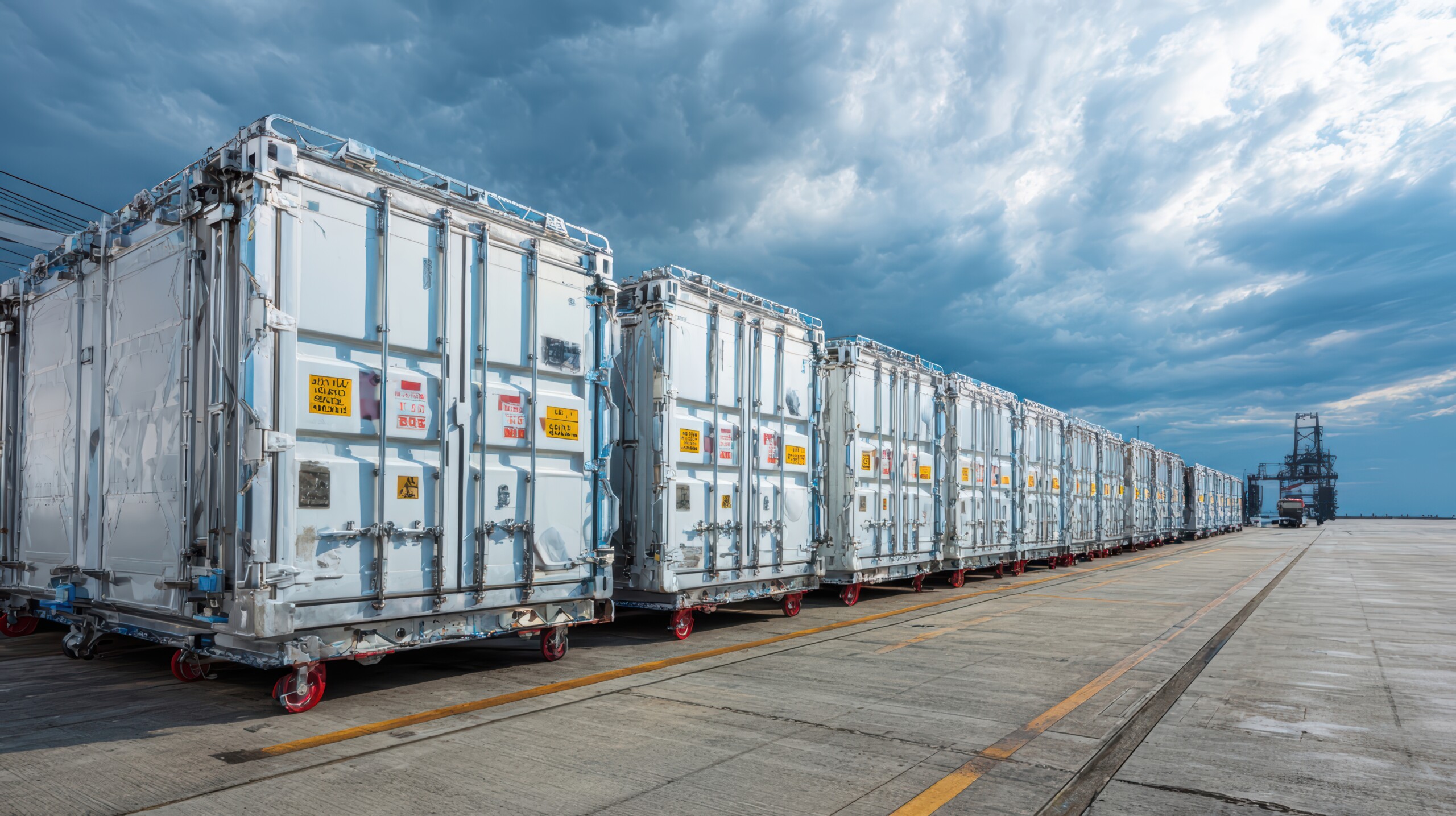
A supplier with a strong cold chain control system should be able to provide temperature records together with the shipment documents. This allows businesses to check not only the temperature at the time of delivery but also the product’s storage and transportation conditions throughout the supply chain.
Layer 3: Batch-Level Traceability
Traceability can be considered a test of a supplier’s management capabilities. Businesses need to know which growing area the mangoes came from, when the raw materials were harvested, and how they were transported to the factory. These details should also be traceable to the finished product batch that was delivered.
A traceability system should connect information from the growing area and incoming raw materials to processing, freezing, packaging, storage, and the exported shipment. Each batch should have clear identification information so that, if a problem occurs, businesses can identify the source of the raw materials and determine the scope of the affected batch.
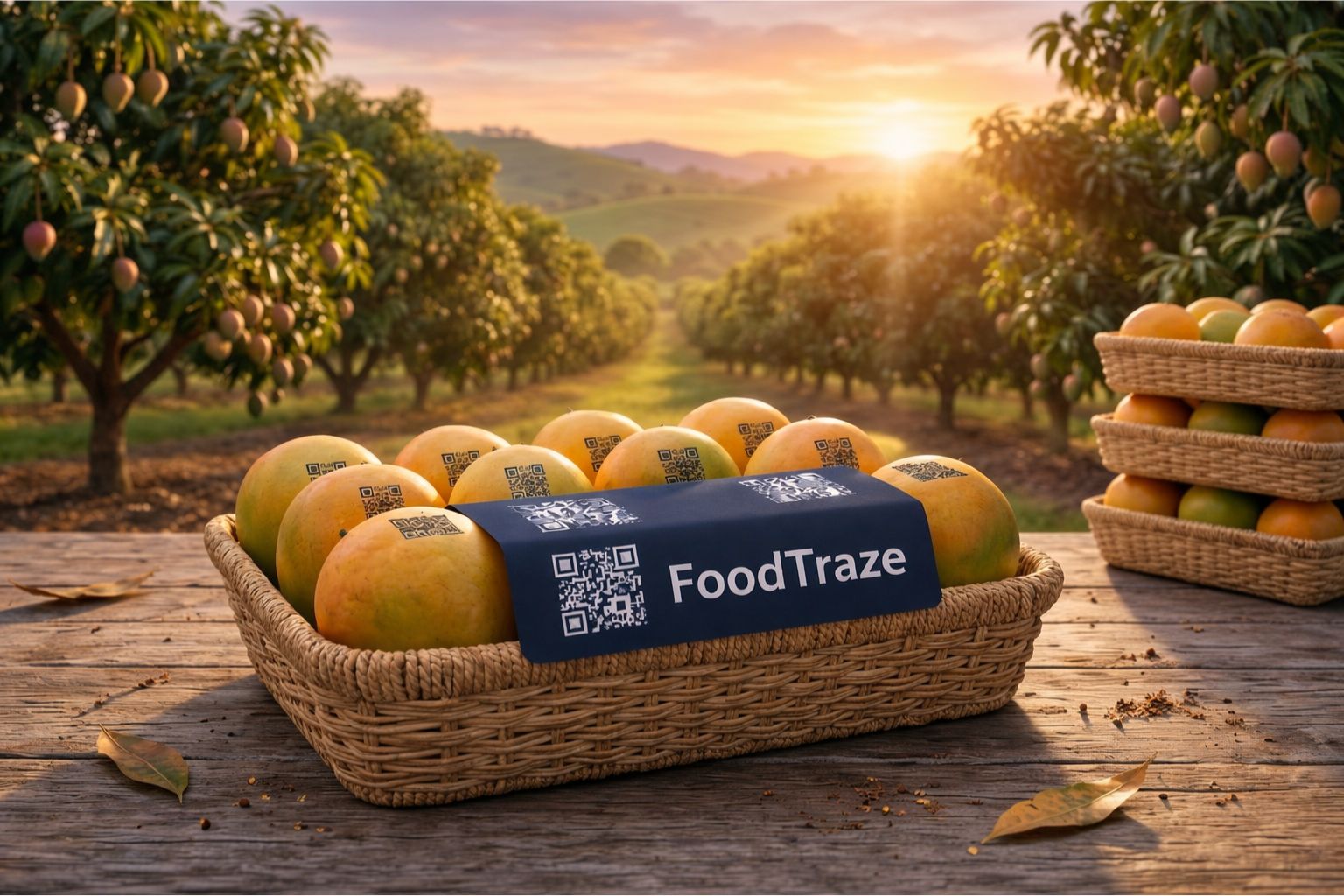
Records such as batch codes, growing area information, incoming raw material records, production dates, test results, and shipping documents should be consistent with each other. The ability to provide complete and verifiable information shows that the supplier has not only the product itself but also a strong management system to control the origin and quality of each batch of frozen mangoes.
Common Mistakes When Choosing A Frozen Mango Supplier
Choosing The Lowest Price
A low price does not always mean better purchasing efficiency. An 8–12% price difference between standard IQF mangoes and slow-frozen products may come from differences in technology and processing methods, rather than simply from profit margins. A supplier offering the lowest price may also not provide the best quality, product consistency, or supporting services.
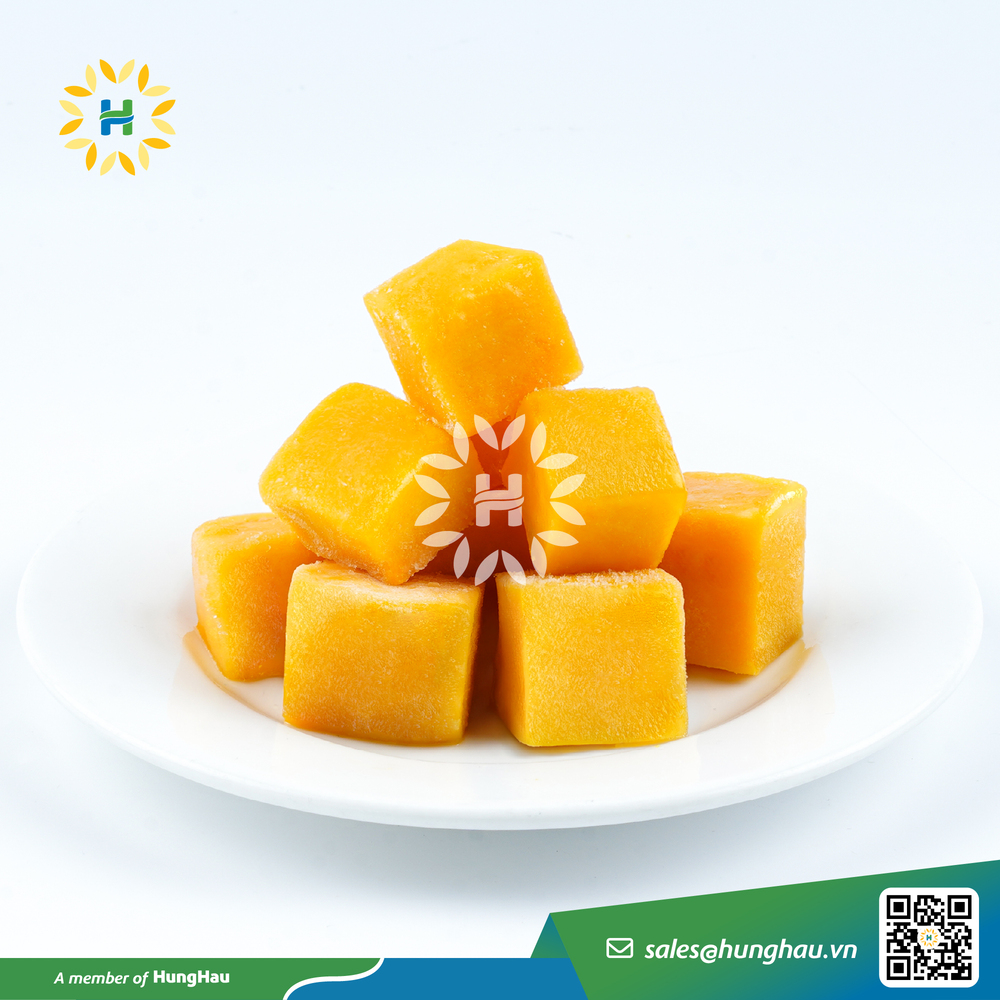
Therefore, businesses should not compare suppliers based only on price per kilogram. The price should be considered together with IQF technology, raw material quality, product specifications, breakage rate, delivery terms, and the supplier’s ability to meet requirements. A higher price with consistent quality and clear services may provide better overall value for the order.
Ignoring The Breakage Rate
The breakage rate is an important factor that is often overlooked when evaluating frozen mangoes. Two suppliers may offer the same price for IQF mangoes, but the percentage of whole pieces and broken pieces in each batch can vary significantly. If the maximum breakage rate is not clearly stated in the quotation, businesses may receive up to 20% broken pieces without a clear basis for making a claim.
Therefore, businesses should agree on the maximum breakage rate, cutting specifications, piece size, and acceptance standards when requesting a quotation or signing the contract. These specifications provide a clear basis for checking the goods upon delivery and help reduce disputes if the actual quality does not meet the original requirements.
Confusing A Trading Company With A Manufacturer
There is nothing wrong with purchasing frozen mangoes through a trading company. However, businesses should clearly determine whether the supplier is the actual manufacturer or only an intermediary. This difference becomes important when quality, product specifications, or delivery schedules become an issue.
When working directly with a manufacturer, businesses can communicate with the quality control team to identify the cause of a problem, check production records, and handle issues related to the affected batch. When purchasing through an intermediary, businesses should clarify which factory supplies the products, what certifications the factory has, and who is responsible if the products do not meet the agreed standards.
Therefore, before signing a contract, businesses should request information about the manufacturing facility, factory address, certifications, quality control procedures, and batch traceability system. The supplier’s trade name alone should not be used to assess its manufacturing capabilities.
Not Defining Shelf Life And Storage Conditions
IQF mangoes are commonly stated to have a shelf life of 18–24 months when stored at -18°C. This information should be clearly stated in the contract together with the applicable storage conditions. Shelf life is one of the key details that should be agreed upon when importing or using IQF frozen mangoes. The product’s shelf life depends not only on the production date but also on its storage and transportation conditions.
IQF mangoes are generally stored at -18°C or below to maintain product quality during storage. If the temperature is not properly controlled, the product may experience moisture loss, clumping, or changes in texture after thawing. Therefore, businesses should check storage conditions rather than relying only on the shelf life stated on the packaging.
When signing a contract with a frozen mango supplier, businesses should clearly specify the minimum remaining shelf life at delivery, storage temperature, transportation conditions, and temperature monitoring records. If a supplier states that the product has a shelf life of 18–24 months at -18°C, the minimum remaining shelf life when the goods arrive at the warehouse should also be clearly agreed upon. This helps businesses plan production and storage more effectively while reducing the risk of receiving products that do not meet expectations.
A Qualified And Reliable Frozen Mango Supplier In Asia
In B2B operations, a frozen mango supplier should not be evaluated based only on product samples. Its ability to maintain consistent quality, documentation, and delivery performance across multiple batches is equally important. For importers and food manufacturers, factors such as raw material sources, IQF technology, food safety systems, traceability, and cold chain management should be evaluated together.
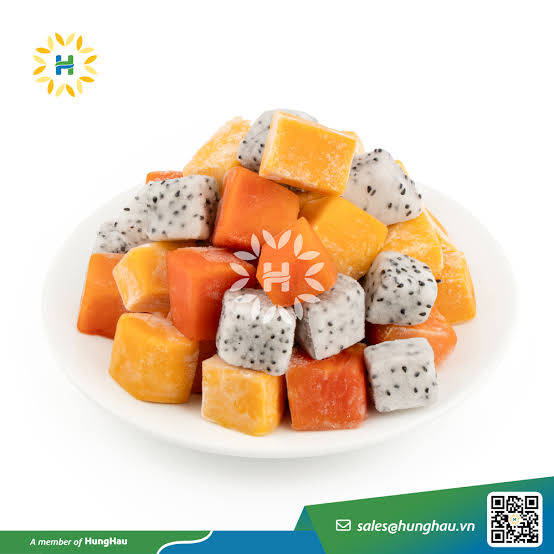
HungHau Foods is proud to support international partners in creating greater value through key products such as IQF mango, IQF durian, IQF dragon fruit, and a range of frozen vegetables and other agricultural products.
International Partners Looking For Vietnamese Frozen Mangoes
Vietnam has strong advantages in mango production and tropical agricultural processing. However, for international customers, access to raw materials is only the starting point. Suppliers must also demonstrate their ability to meet the quality, documentation, and product specification requirements of each market.
For an export order of frozen mangoes, buyers usually need to agree on several specifications before production, including mango variety, cutting style, piece size, Brix level, color, breakage rate, metal detection, microbiological standards, residue limits, and storage conditions. The clearer these requirements are defined from the beginning, the lower the risk of disputes during product inspection and acceptance.
Therefore, a supplier serving international markets needs to be able to turn customer requirements into clear and measurable quality control standards for each batch. This is also what distinguishes a supplier that can simply provide products from a reliable partner capable of supporting a long-term supply chain.
HungHau Foods – A Leading Frozen Mango Supplier In Vietnam
For businesses looking for frozen mango suppliers in Vietnam, HungHau Foods can be evaluated based on its products, specifications, and certifications that meet the requirements of each order.
When evaluating a supplier, businesses should check factory capacity, raw material sourcing areas, food safety certifications, IQF mango specifications, quality standards, shelf life, storage conditions, and batch traceability. These are important criteria to consider before placing a trial order or signing a long-term contract.
In addition to company information, businesses should request product specifications, test reports for each batch, product samples, and traceability records. Comparing these documents with the actual products allows businesses to more accurately assess the supplier’s ability to meet their requirements.
Conclusion
Choosing a frozen mango supplier is not simply about finding the lowest price. It is about finding a supplier with a strong enough system to deliver consistent quality in the tenth container just as in the first.
In Vietnam, HungHau Foods is one of the trusted companies in the frozen agricultural and fruit processing industry, with the capability to provide consistent products and meet the requirements of international customers.