


Tin thị trường
AN OVERVIEW OF VIETNAMESE DURIAN AND DURIAN-BASED CUISINE IN VIETNAM
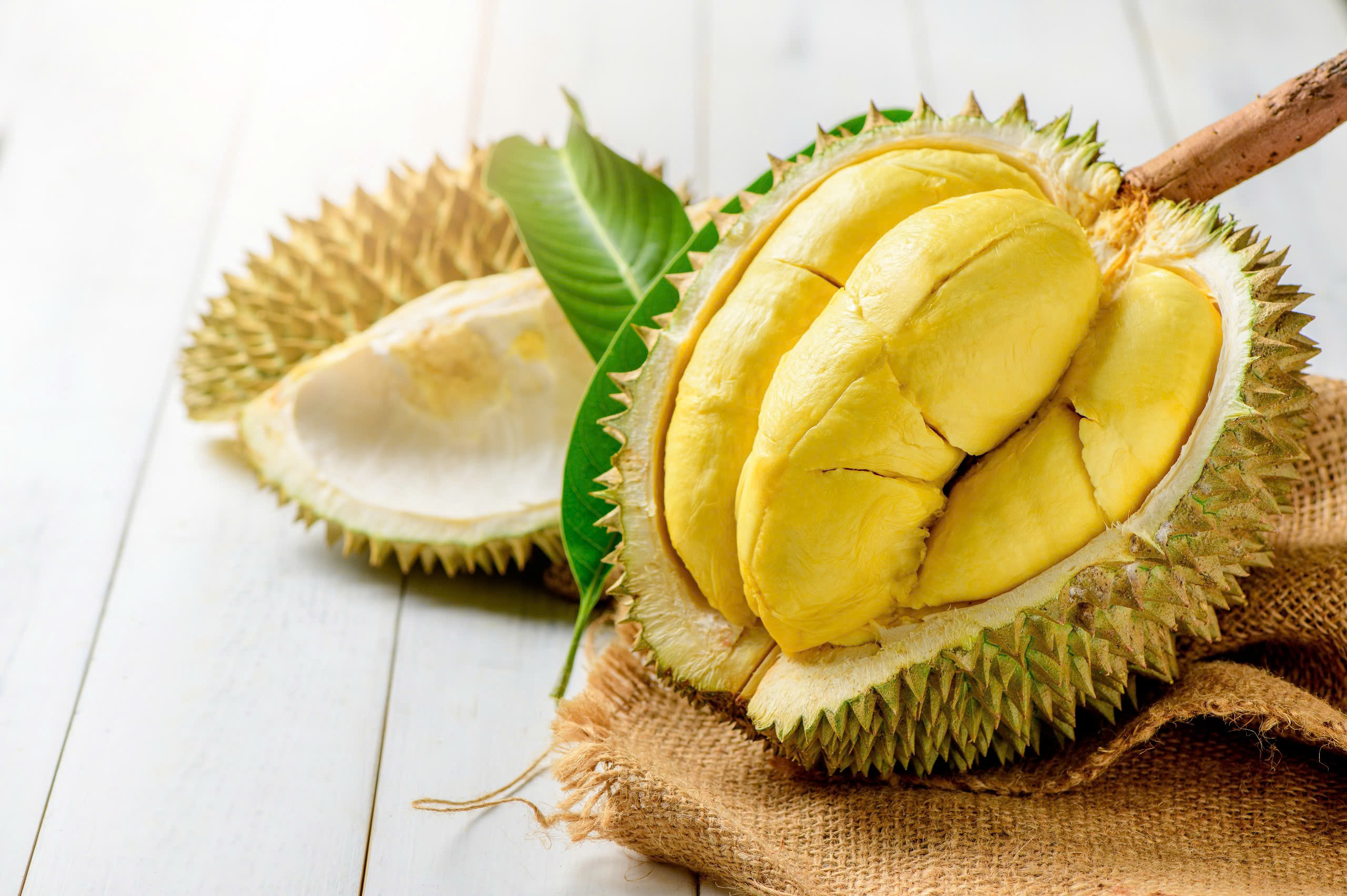
Durian has long been known as the “King of Fruits” thanks to its distinctive aroma, rich creamy flavor, and exceptional nutritional value. In Vietnam, this tropical fruit is not only a source of pride for the agricultural sector but also a key ingredient in a wide variety of delicious dishes, beverages, and processed products. What makes Vietnamese durian so special, and how is it featured in Vietnam’s culinary culture? Join HungHau Foods as we explore the answers in the article below.
History of Durian Cultivation in Vietnam
The history of durian cultivation in Vietnam is closely linked to the expansion of fruit-growing regions in Southern Vietnam. Durian farming began to develop rapidly during the 20th century, when the fruit was widely cultivated thanks to the country’s tropical climate and fertile soil. In the early years, traditional durian varieties were mainly grown using natural farming methods on a small scale to meet domestic demand.
Over time, the adoption of modern agricultural techniques particularly grafting and cultivar improvement—has significantly increased productivity, enhanced fruit quality, and improved resistance to pests and diseases. In addition, advancements in irrigation systems, orchard management, and pest control practices have further boosted the efficiency and sustainability of durian production in Vietnam.
Durian-Growing Regions in Vietnam
Mekong Delta
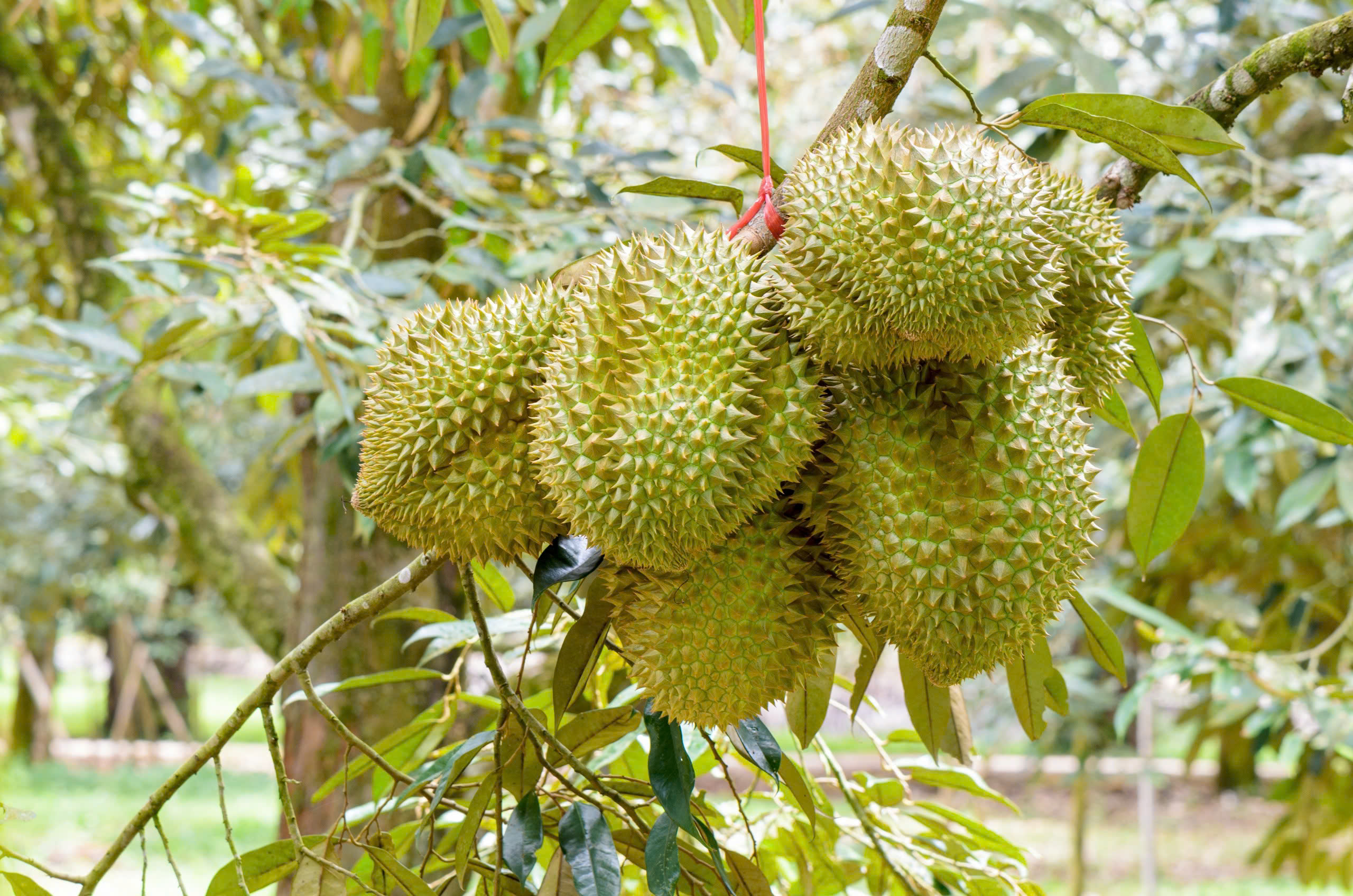
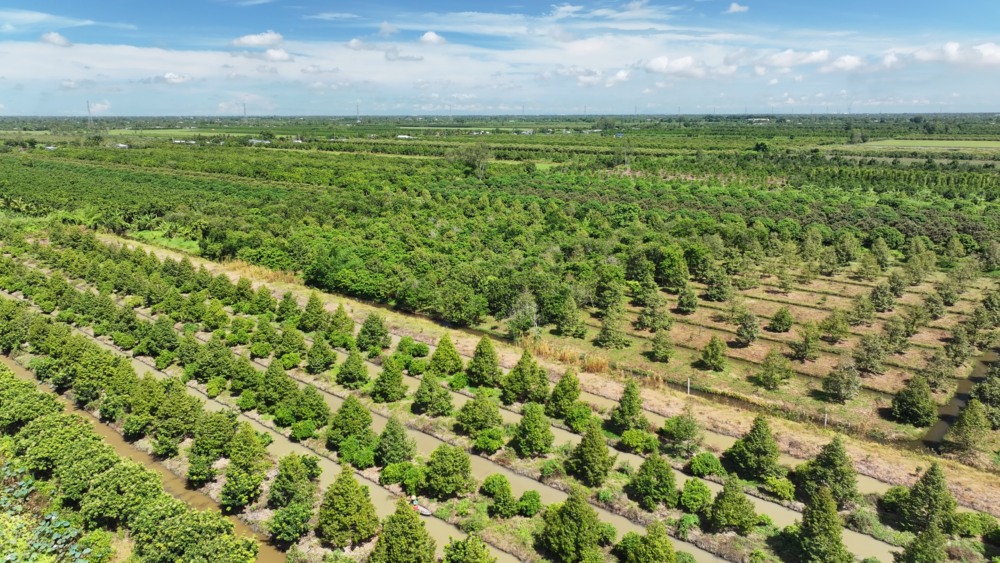
The Mekong Delta is widely recognized as the heartland of Vietnamese durian production, contributing the largest share of the country’s total output. By 2025, the region had approximately 55,000–57,000 hectares of durian orchards, accounting for more than half of Vietnam’s total durian cultivation area. Its fertile alluvial soil, abundant water resources, and year-round tropical climate provide ideal conditions for producing high-yield, premium-quality durians.
Major durian-producing provinces in the Mekong Delta include Tien Giang, Ben Tre, Vinh Long, Can Tho, Hau Giang, and Dong Thap. Among them, Tien Giang has the largest cultivation area, with well-known growing regions such as Cai Lay and Cai Be. Ben Tre is famous for the Cai Mon durian-growing area, while Vinh Long, Can Tho, and Hau Giang have also developed extensive orchards supported by dense canal systems that provide efficient irrigation and orchard management.
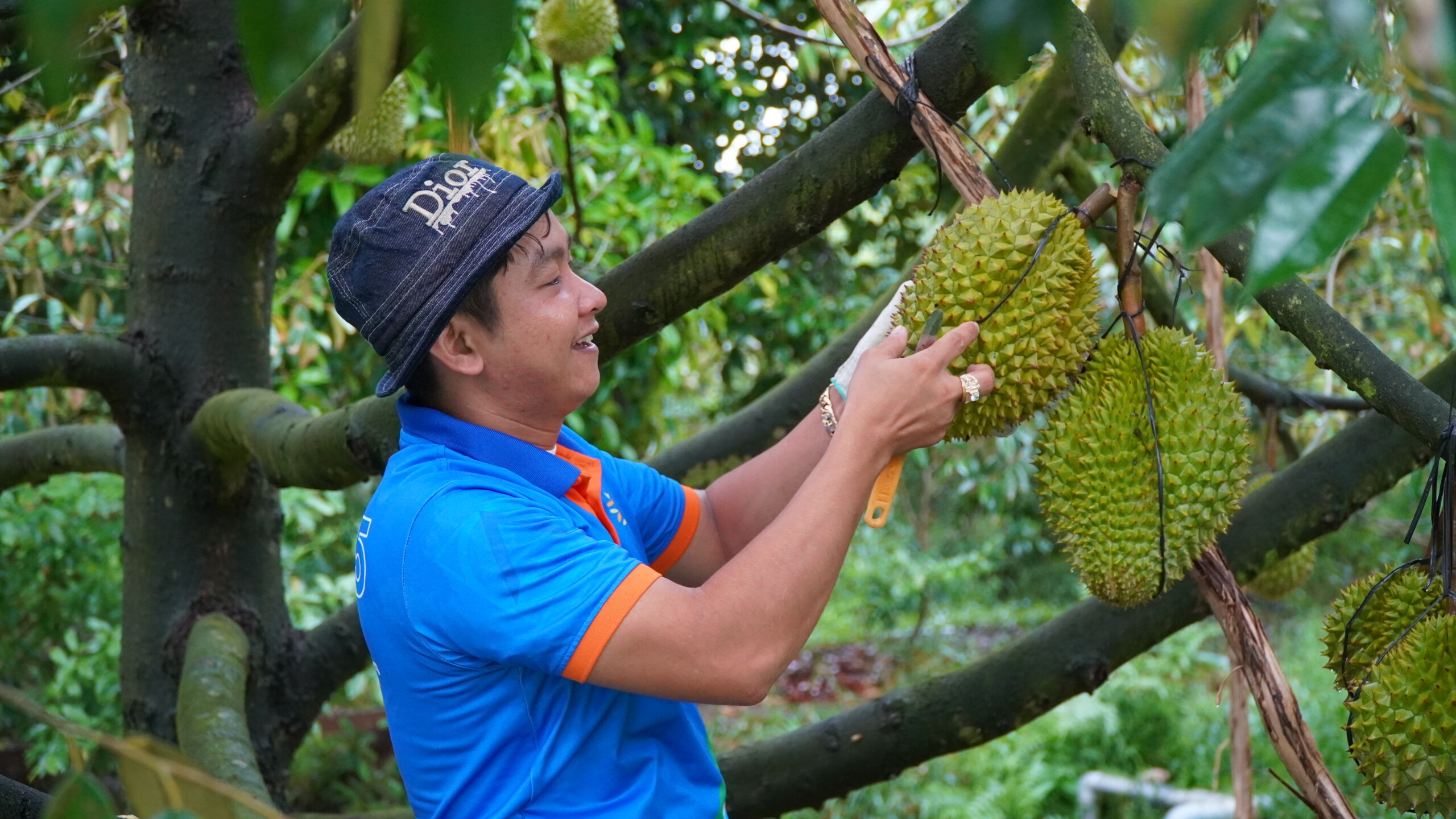
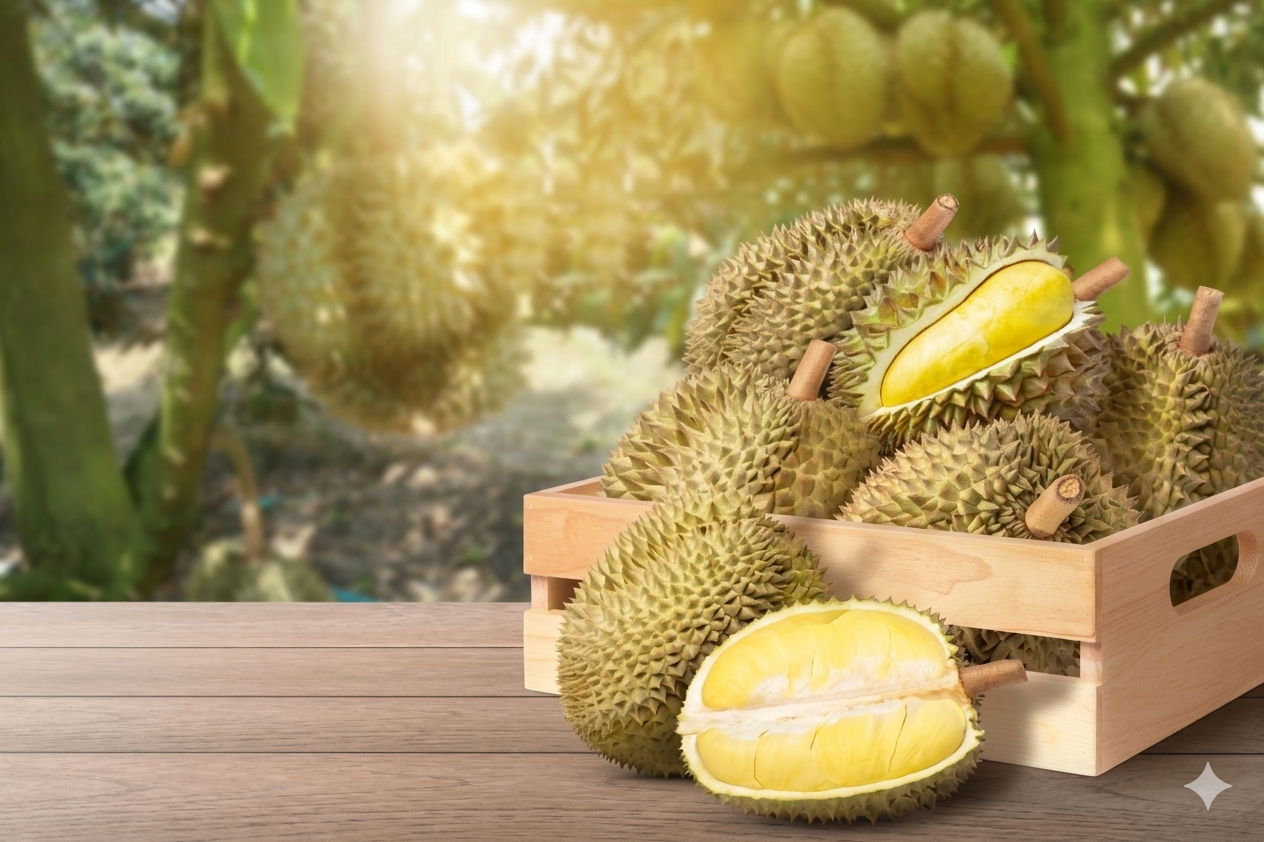
Durians grown in the Mekong Delta are renowned for their golden-yellow flesh, small seeds, rich creamy sweetness, and distinctive aroma. The region also serves as a key source of raw materials for Vietnam’s durian processing and export industries. Many orchards have obtained GACC-approved growing area codes, enabling exports to major international markets, including China, and further enhancing the global reputation of Vietnamese durian.
Central Highlands
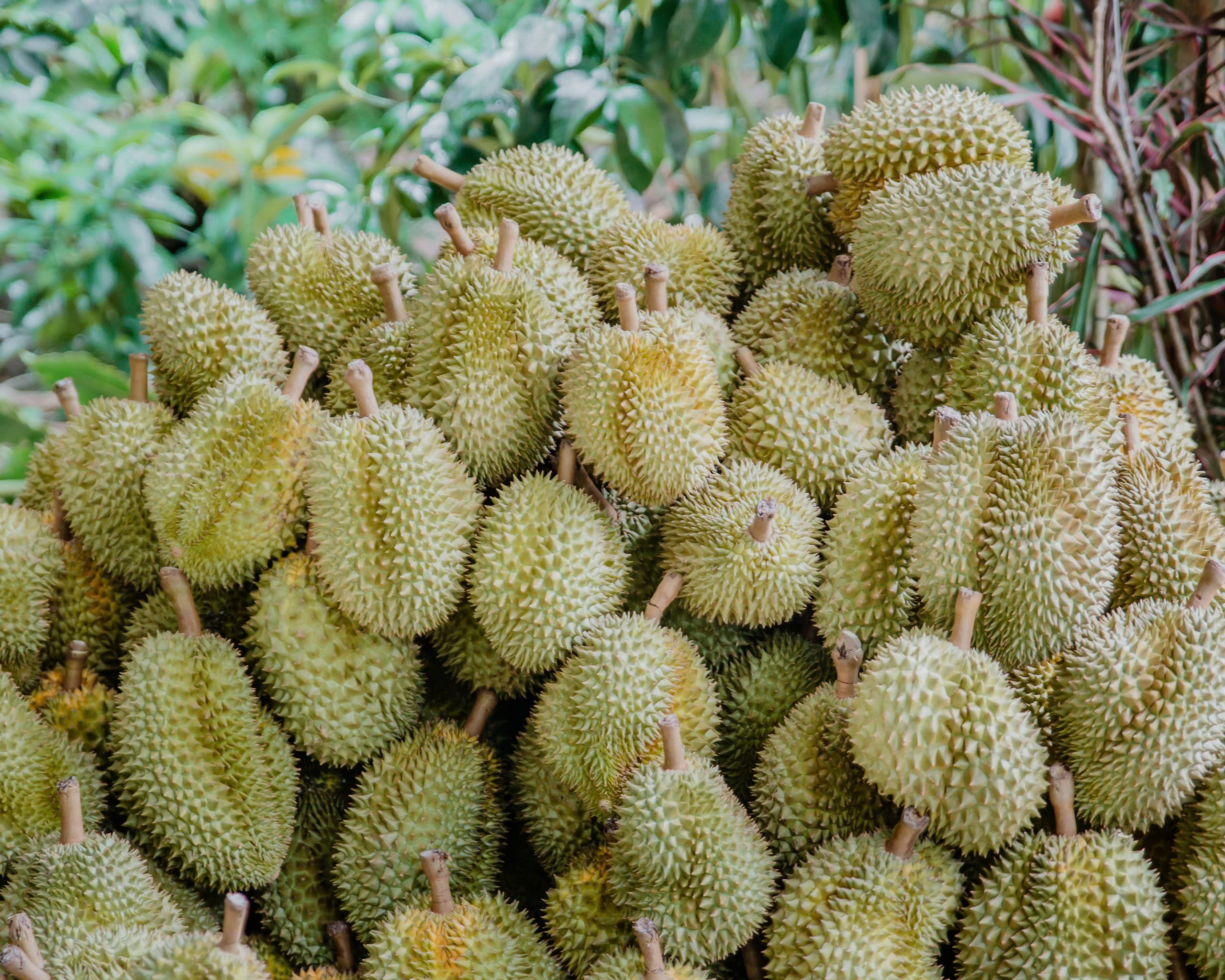
The Central Highlands has emerged as one of Vietnam’s fastest-growing durian-producing regions in recent years. By 2025, the region had approximately 42,000 hectares of durian orchards, accounting for nearly 30% of the country’s total durian cultivation area. Its nutrient-rich basalt soil, elevated terrain, and cool climate with distinct rainy and dry seasons provide ideal conditions for healthy tree growth, high yields, and consistently high-quality fruit.
Key durian-producing provinces in the Central Highlands include Dak Lak, Dak Nong, Gia Lai, and Lam Dong. Among them, Dak Lak is the largest durian-growing province in Vietnam, with more than 38,800 hectares of cultivation in 2025. The Krong Pac district is especially well known as a major durian production hub. Dak Nong has around 12,000 hectares of durian orchards, while Gia Lai and Lam Dong continue to expand their cultivation areas through the adoption of modern agricultural technologies and sustainable farming practices.
In addition to its favorable natural conditions, many growing areas and packing facilities in the Central Highlands have obtained GACC registration codes, meeting the traceability and plant quarantine requirements of international import markets. This has created a strong foundation for expanding Vietnam’s durian exports, increasing product value, and strengthening the competitiveness of Vietnamese durian in the global market.
Vietnam’s Year-Round Durian Harvest Advantage
One of the greatest advantages of Vietnamese durian is its ability to maintain a stable supply throughout much of the year. Thanks to favorable natural conditions and the distribution of durian-growing regions across different parts of the country, harvest seasons occur successively rather than simultaneously. This enables Vietnam to consistently meet both domestic demand and export market requirements.
Diverse Climate Conditions
Vietnam is characterized by diverse climates and soil types that are well suited for durian cultivation. The Mekong Delta features a warm, humid climate, fertile alluvial soil, and abundant water resources, while the Central Highlands is known for its cool weather and nutrient-rich basalt soil. These distinct environments provide excellent conditions for healthy durian tree growth and high-quality fruit production.
Differences in temperature, rainfall, and the length of the dry season influence the flowering, fruit-setting, and harvesting cycles of durian trees in each region. As a result, harvest seasons are naturally staggered across the country rather than concentrated within a short period. This gives Vietnamese durian a significant competitive advantage over producers in many other countries with more limited harvest windows.
Staggered Harvest Seasons
In Vietnam, the main durian harvest season typically runs from May to September, although the exact timing varies by growing region. In the Mekong Delta, many orchards begin harvesting between May and June. Meanwhile, the Central Highlands generally enters its harvest season from July through September.
Thanks to these staggered harvest schedules, Vietnam’s durian production is distributed over several months rather than being concentrated within a single short season. This ensures a steady supply of fresh durian for the market while providing processors and exporters with a more reliable source of raw materials to meet domestic and international demand.
Stable Year-Round Supply
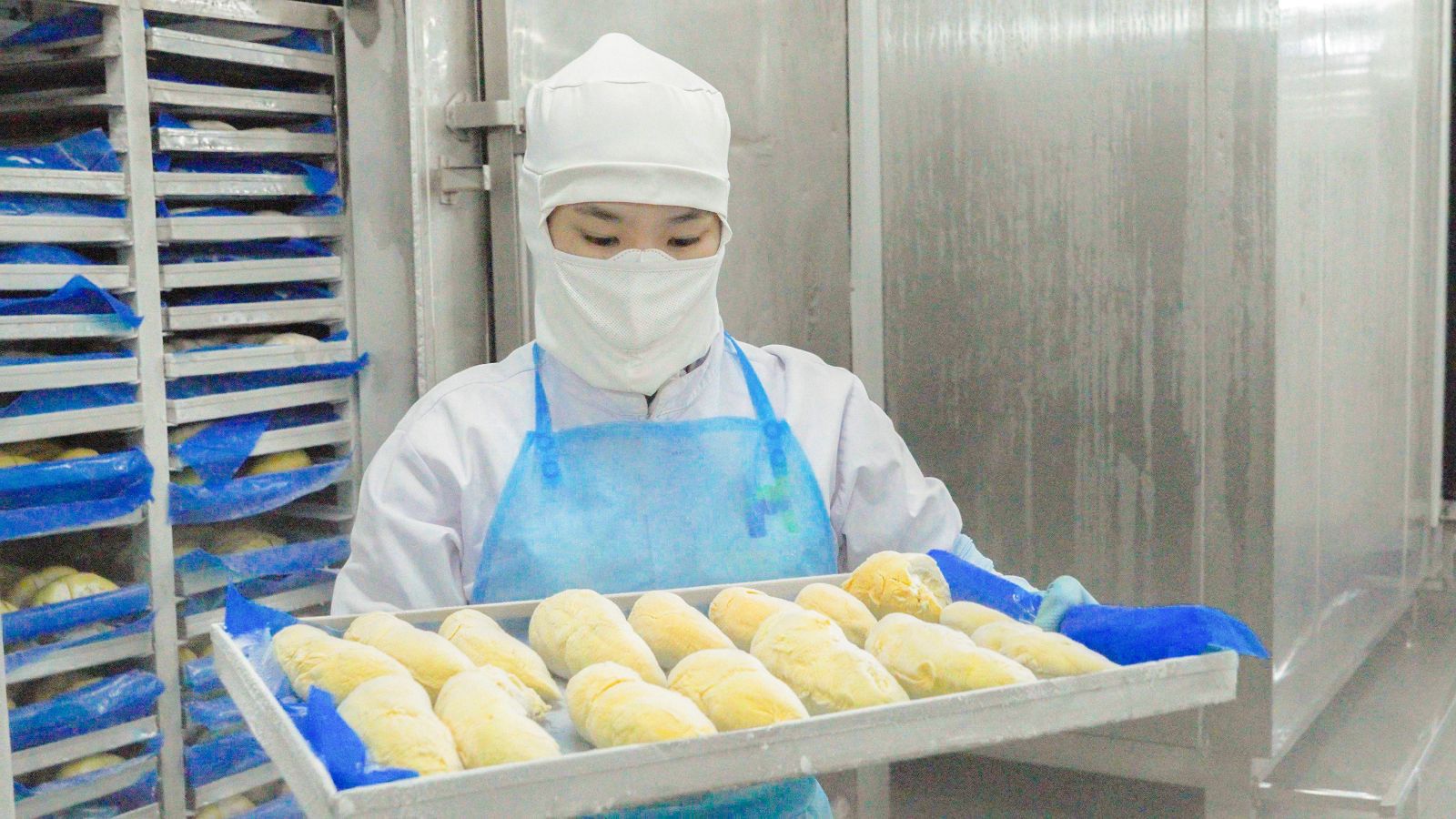
In addition to a steady supply of fresh durian during the harvest season, Vietnam has developed a strong processing industry offering products such as whole frozen durian, frozen durian segments, and durian puree. The application of Individual Quick Freezing (IQF) technology helps preserve the fruit’s natural flavor, color, texture, and nutritional value while significantly extending its shelf life.
By combining staggered harvest seasons with advanced freezing and preservation technologies, Vietnamese durian can be supplied to both domestic and international markets almost year-round. This provides processors and exporters with a reliable source of raw materials, supports consistent export fulfillment, and strengthens the global competitiveness of Vietnamese durian.
Durian Varieties in Vietnam
Vietnam cultivates a wide range of durian varieties, including both local cultivars and imported ones. Each variety has its own unique characteristics in terms of flavor, flesh color, fruit size, and harvest season, contributing to the diversity and appeal of Vietnamese durian.
Monthong
Monthong is a durian variety originally from Thailand and is widely cultivated in provinces such as Tien Giang, Dak Lak, and Dak Nong. It produces large fruits with light yellow flesh, small seeds, a mild sweetness, and a moderately fragrant aroma. Thanks to its consistent quality and excellent storage performance, Monthong has become one of the most popular Vietnamese-grown durian varieties for export markets.
Ri6
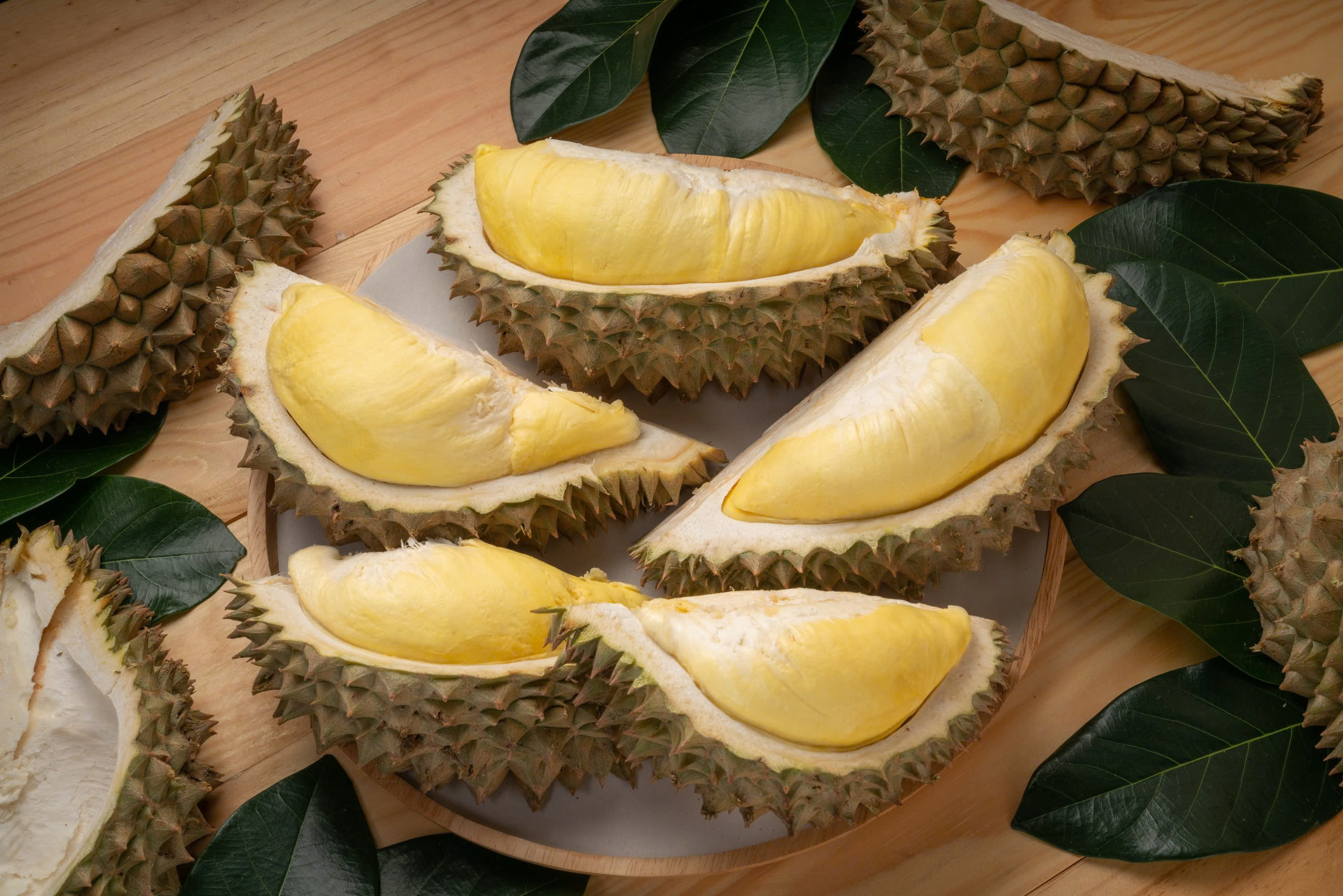
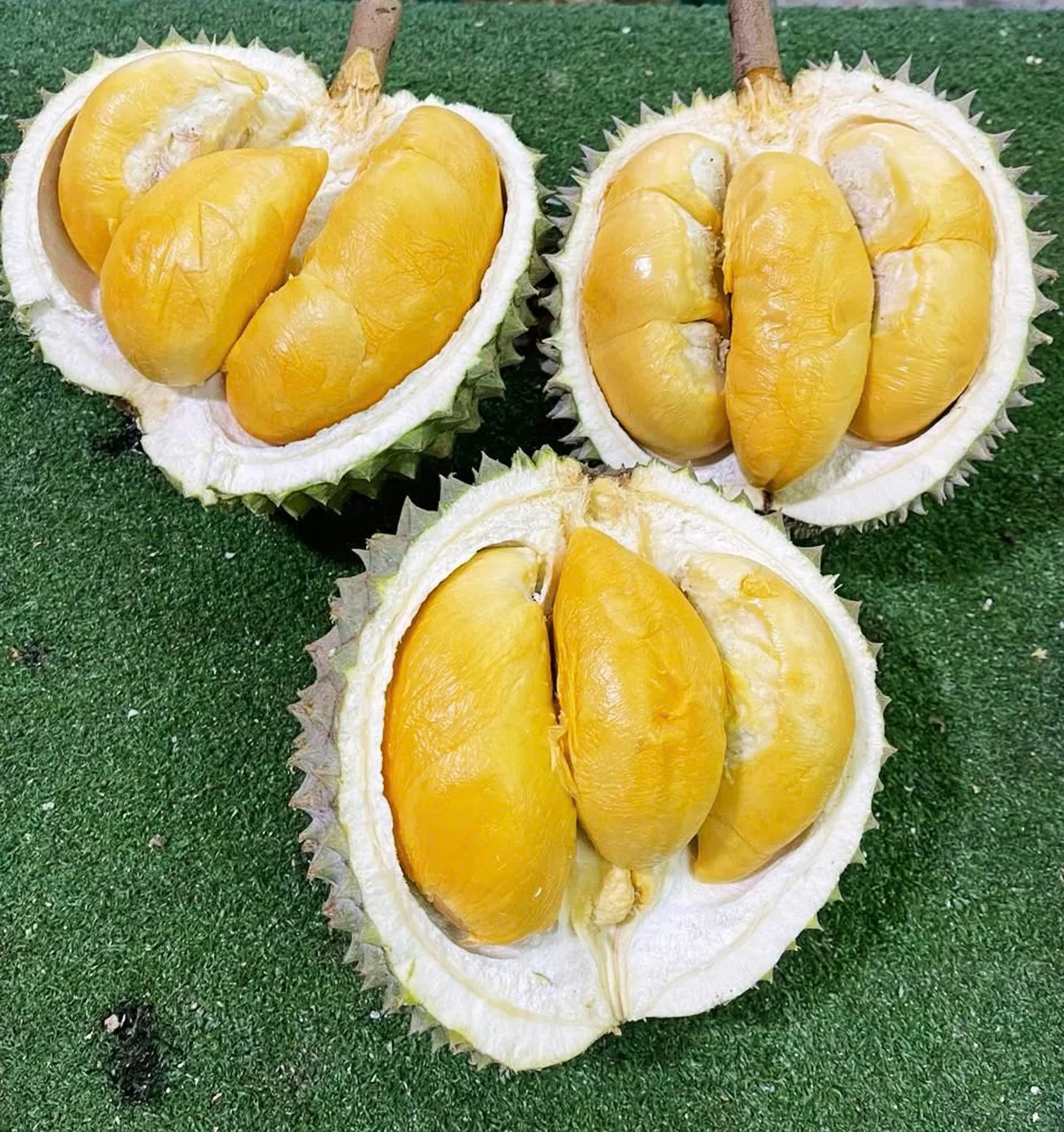
Ri6 is one of Vietnam’s most renowned durian varieties, originally selected and propagated by Mr. Sau Ri from Vinh Long Province. It is distinguished by its deep golden-yellow flesh, thick texture, small seeds, rich creamy sweetness, and signature aroma. Ri6 is widely cultivated across the Mekong Delta and the Central Highlands, making it one of Vietnam’s leading durian varieties for both domestic consumption and international export.
Chuong Bo
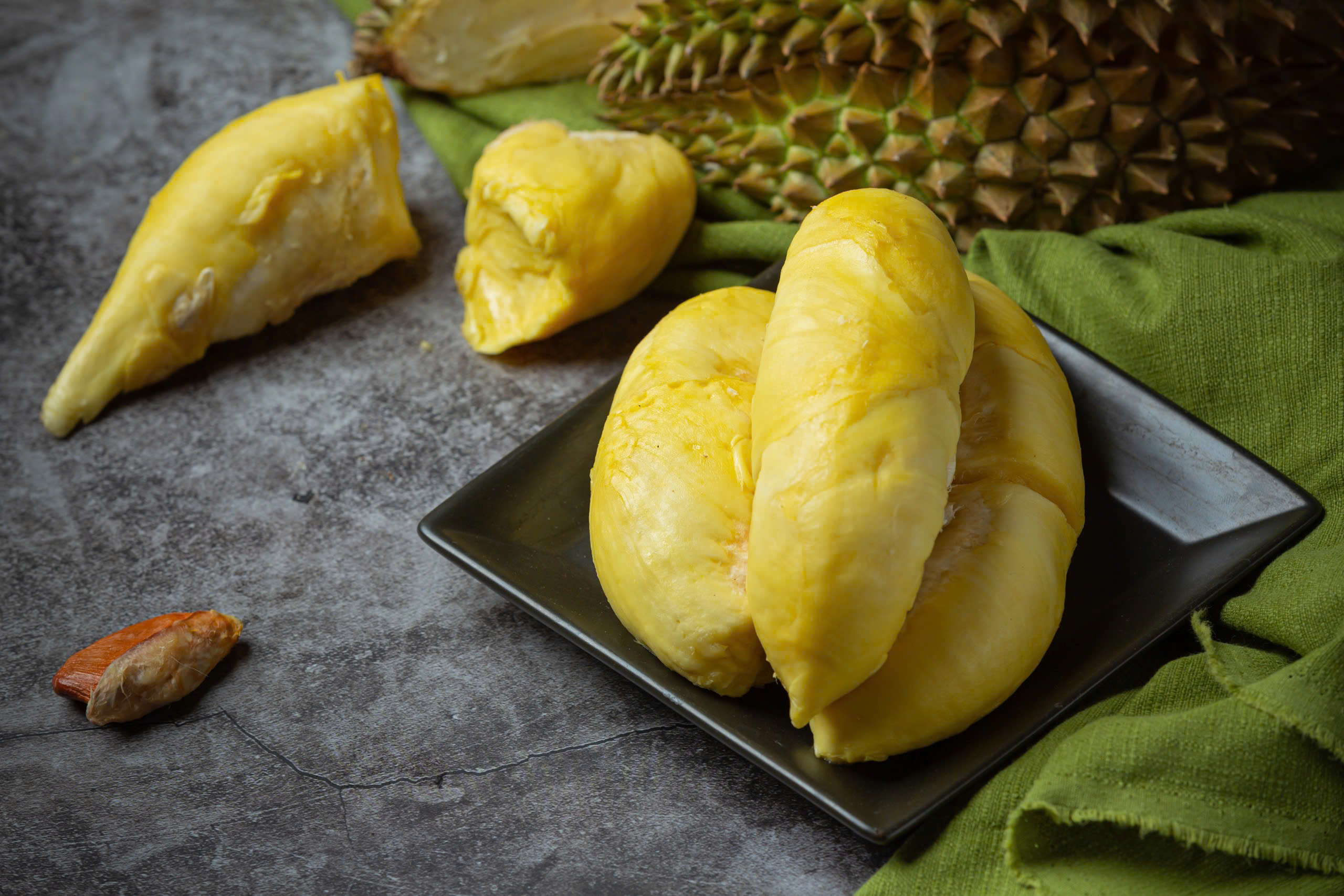
Chuong Bo is a traditional Vietnamese durian variety cultivated in several southern provinces. It produces medium-sized fruits with soft, creamy flesh, a naturally sweet flavor, and a light, pleasant aroma. Although it is grown on a much smaller scale than Ri6 or Monthong, Chuong Bo remains popular among consumers who appreciate its authentic taste and consistently good quality.
Musang King
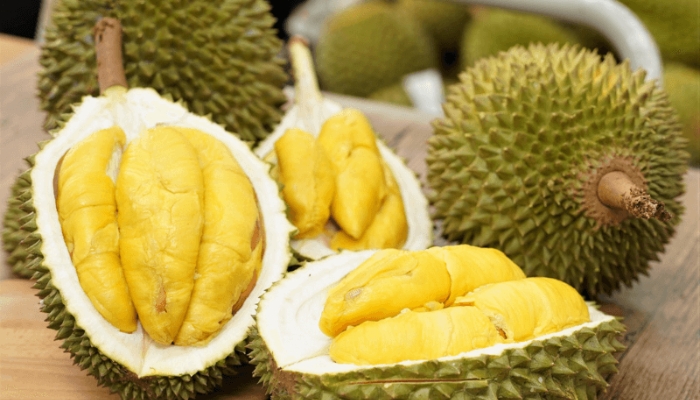
Musang King is a premium durian variety originating from Malaysia and has been introduced for trial cultivation in several regions of Vietnam. It is renowned for its deep golden-yellow flesh, smooth, creamy texture, rich buttery flavor with a subtle hint of bitterness, and small seeds. Due to its high market value and strong consumer demand, Musang King has attracted increasing interest from Vietnamese growers. However, its cultivation area remains relatively limited compared to other commercial durian varieties.
Wild Durian
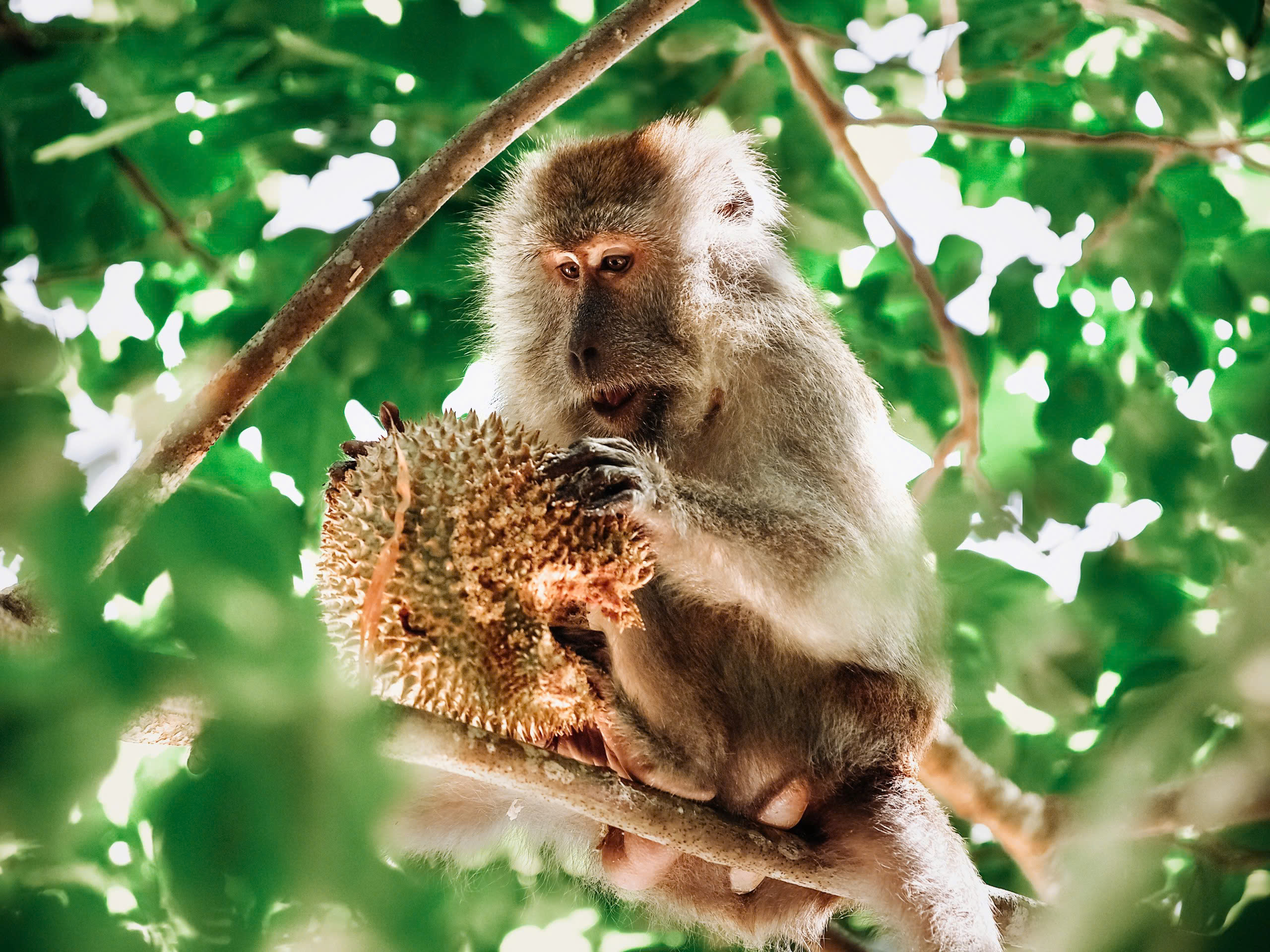
Wild durian, also known as forest durian, is found mainly in natural forests in the Central Highlands and Southeastern Vietnam. Compared with commercial varieties, its fruits are generally smaller, with thinner flesh and a distinctive flavor profile. Wild durian is primarily conserved as a valuable genetic resource rather than cultivated for commercial production. It plays an important role in durian research, breeding programs, and the preservation of Vietnam’s rich durian genetic diversity.
What Makes Vietnamese Durian So Appealing?
Beyond its high production volume and extended harvest season, Vietnamese durian has earned widespread recognition for its exceptional flavor, competitive pricing, and unique culinary heritage.
Distinctive Flavor and Premium Quality
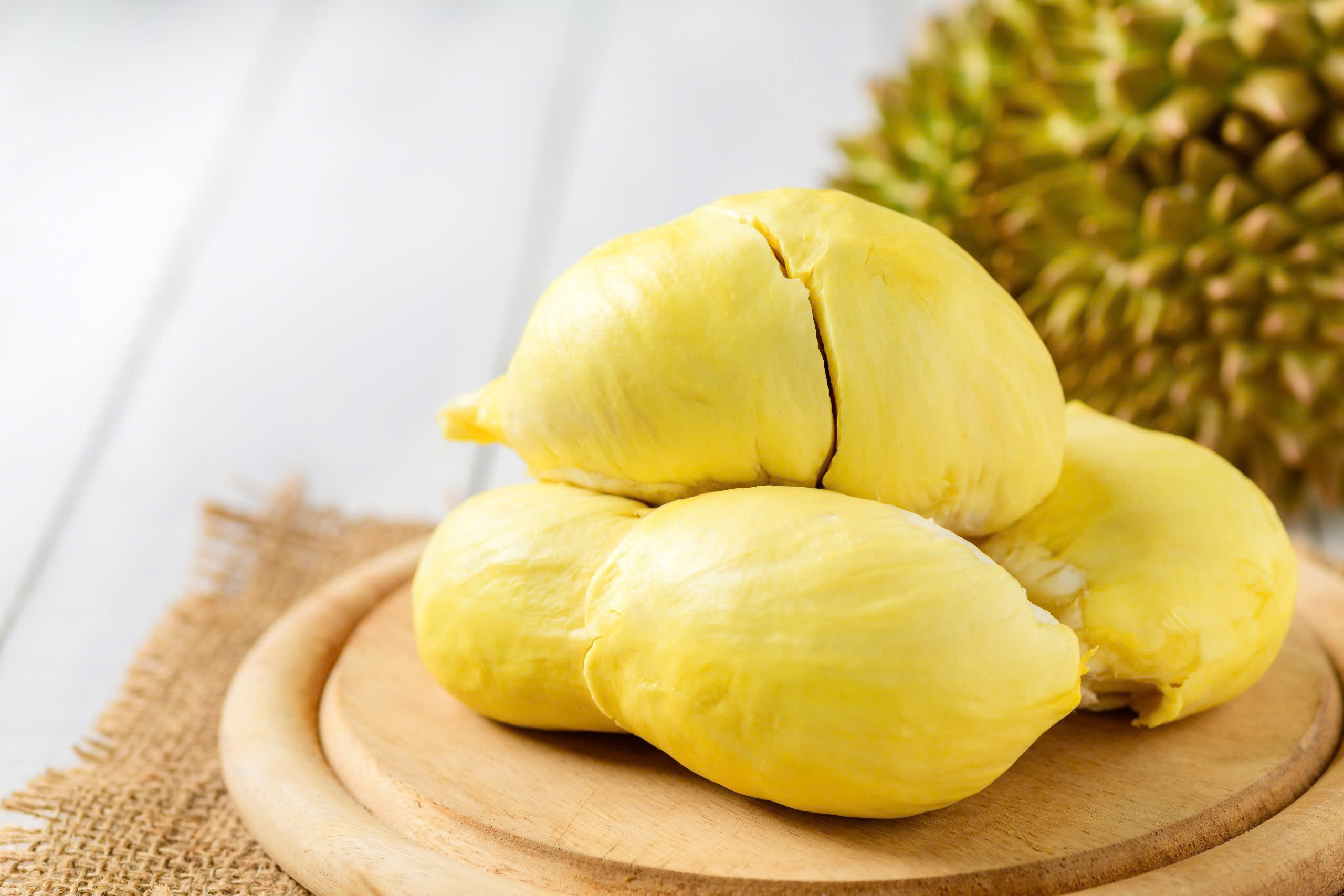
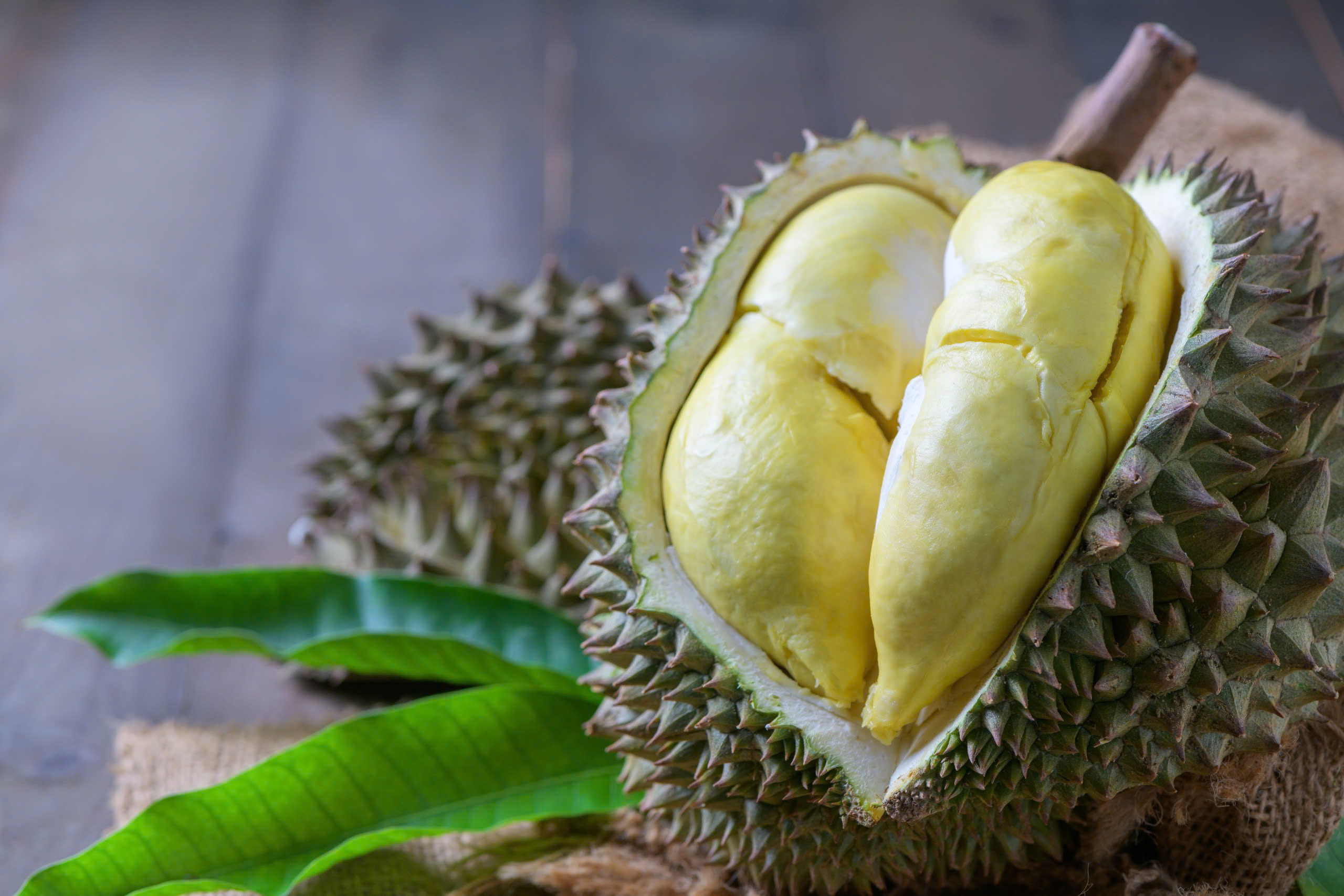
One of the defining characteristics of Vietnamese durian is its thick, golden-yellow flesh with a smooth, custard-like texture. Depending on the variety—such as Ri6 or Monthong the fruit offers different levels of richness, creaminess, and aroma, while consistently delivering a naturally sweet taste and a long-lasting finish that is rich without being overpowering.
The aroma of a fully ripe durian is one of its most distinctive features. Its fragrance is so intense that it can often be detected from 50 to 100 meters away, making it instantly recognizable to durian lovers.
Durian in Vietnamese Culinary Culture
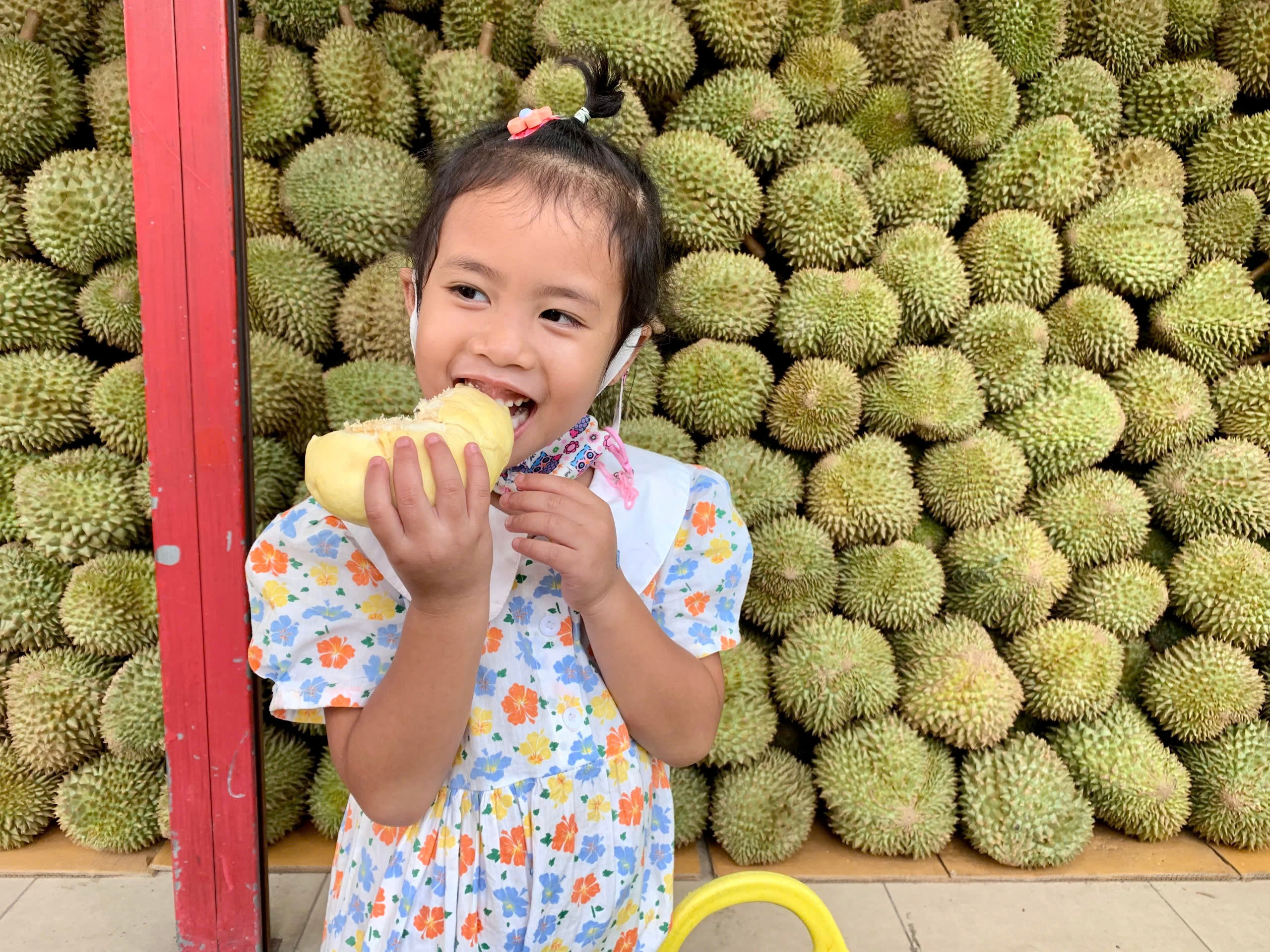
In Vietnam, durian is more than just a tropical fruit—it is an integral part of the country’s culinary culture. During the harvest season, Vietnamese people commonly enjoy fresh durian or incorporate it into a variety of desserts and beverages, including ice cream, sweet soups (chè), cakes, sticky rice, smoothies, and pastries.
Each region has its own way of enjoying durian, adding to the richness and diversity of Vietnamese cuisine. In southern Vietnam, where durian is widely cultivated and consumed, most people enjoy the fruit without being deterred by its strong aroma. Unlike many Thai consumers, who often prefer durian that is slightly firm, Vietnamese consumers generally favor fully ripe durian with a soft, creamy texture.
In addition, the growing availability of whole frozen durian, IQF durian segments, and durian puree allows consumers to enjoy the authentic taste of Vietnamese durian all year round, no longer limited by the harvest season.
Competitive Pricing of Vietnamese Durian
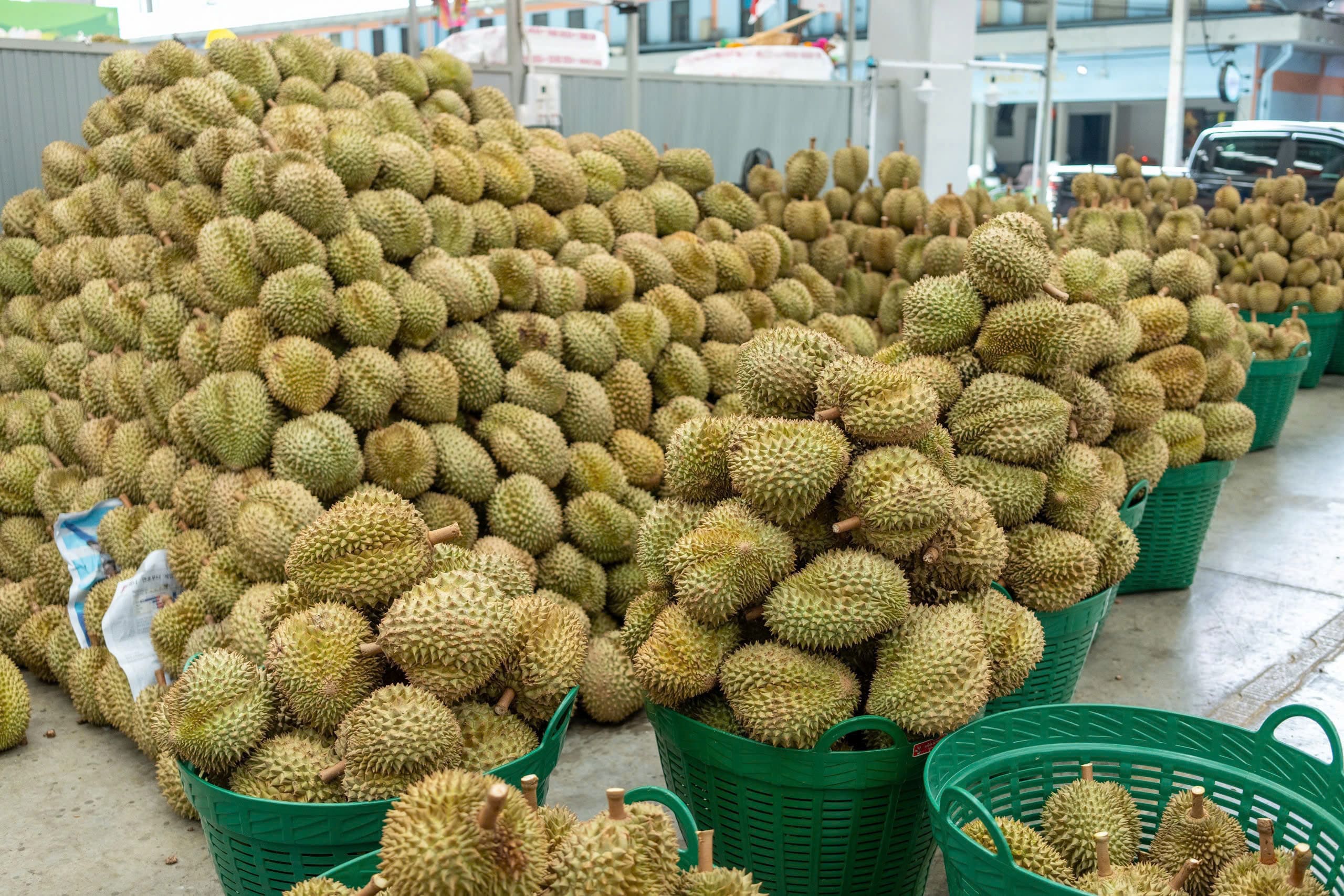
Compared with many imported durian varieties, Vietnamese durian offers a wide range of price points, making it accessible to different market segments. Prices vary depending on the durian variety (such as Ri6, Monthong, Musang King, or Chuong Bo), fruit grade, harvest season, annual production, and market demand.
In the domestic market, Grade B durian typically sells for around VND 50,000–90,000 per kilogram, while Grade A durian generally ranges from VND 90,000–150,000 per kilogram, with prices rising further during periods of limited supply. Premium varieties such as Musang King usually command higher prices than more widely cultivated varieties like Ri6 and Monthong.
Thanks to its abundant raw material supply, favorable growing conditions, and competitive production costs, Vietnamese durian continues to offer excellent value while maintaining high quality. These advantages have strengthened its competitiveness in both domestic and international markets.
How to Choose Vietnamese Durian
Choosing the right Vietnamese durian can greatly enhance your tasting experience. If you enjoy a rich, creamy flavor, sticky texture, and strong aroma, Ri6 is an excellent choice. When fully ripe, Ri6 fruits often develop natural cracks along the seams, making them easier to identify. Monthong, on the other hand, is known for its thick flesh, mild sweetness, and more delicate aroma. Unlike Ri6, ripe Monthong fruits often remain unopened, so it is important to evaluate their ripeness by checking the aroma and other visual signs.
When selecting fresh durian, look for fruits with a distinctive fragrance, a fresh and firm stem, slightly flexible spines, and evenly spaced thorns. Another common method is to gently score the bottom of the fruit with a knife. If the shell separates easily along its natural seams, the durian is generally ripe and ready to eat.
If you are not experienced in opening fresh durian, you may prefer ready-to-eat durian segments, seedless durian flesh, or packaged durian products, which are widely available at fruit stores, supermarkets, and modern retail chains. These convenient options allow you to enjoy the authentic taste of Vietnamese durian while ensuring consistent quality.
Consumers can purchase Vietnamese durian from traditional markets, reputable fruit retailers, supermarkets, and e-commerce platforms. When buying packaged or frozen durian products, it is recommended to choose trusted brands with clear product origins, intact packaging, and complete traceability information to ensure quality and food safety.
Enjoying Fresh Durian
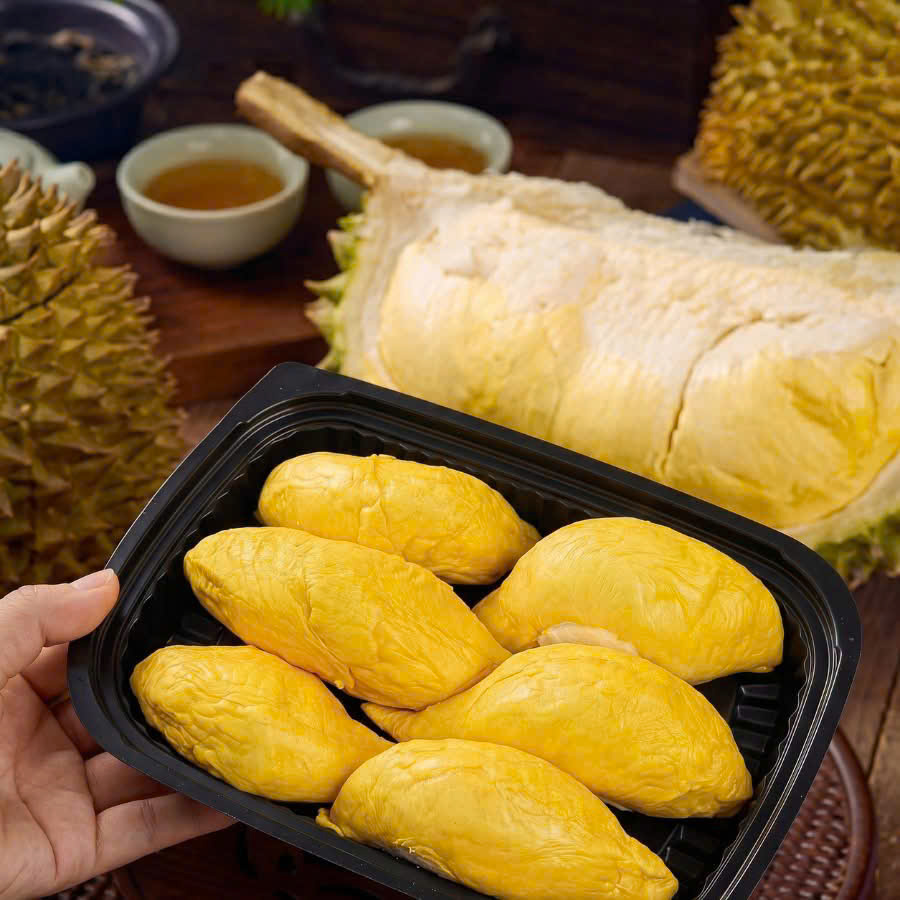
Fresh durian is best enjoyed immediately after the segments are removed from the shell. Its soft, creamy flesh and rich aroma are at their finest when served slightly chilled, allowing the fruit’s natural flavor and texture to stand out.
Many people also enjoy pairing durian with sticky rice, yogurt, or ice cream to create a richer and more indulgent dessert experience.
Although durian is a good source of vitamins, dietary fiber, and essential minerals, it is also relatively high in calories and natural sugars. Therefore, it is best consumed in moderation, especially for individuals who are managing their weight or have health conditions such as diabetes. Enjoying durian as part of a balanced diet allows you to appreciate its unique flavor while maintaining a healthy lifestyle.
Using Durian Puree for Ice Cream and Long-Term Storage
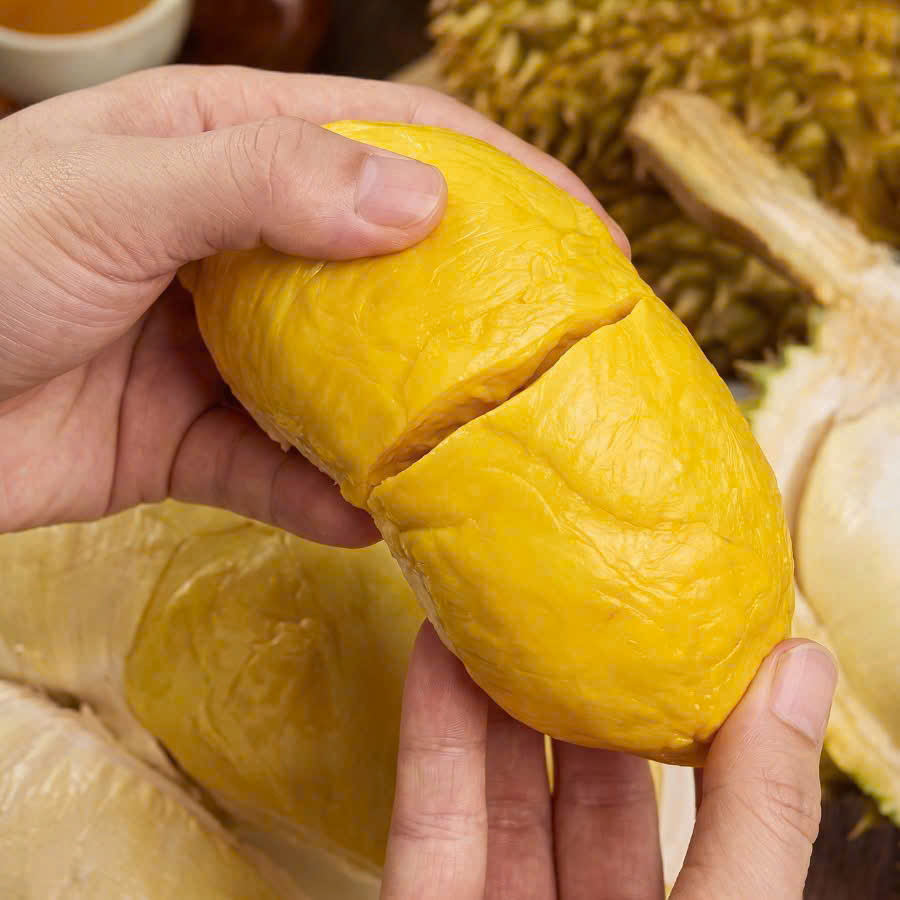
If you have leftover Vietnamese durian, the flesh can be removed from the seeds, blended into a smooth puree, stored in an airtight container, and frozen for later use. Frozen durian puree is a convenient ingredient for making durian ice cream, smoothies, mousse, cakes, sweet soups (chè), or simply blending with fresh milk whenever desired.
When properly frozen, durian retains much of its distinctive aroma, golden color, and rich creamy texture for an extended period. This preservation method is widely used by both households and food manufacturers, allowing consumers to enjoy the authentic taste of Vietnamese durian throughout the year while maintaining quality that is remarkably close to that of fresh fruit.
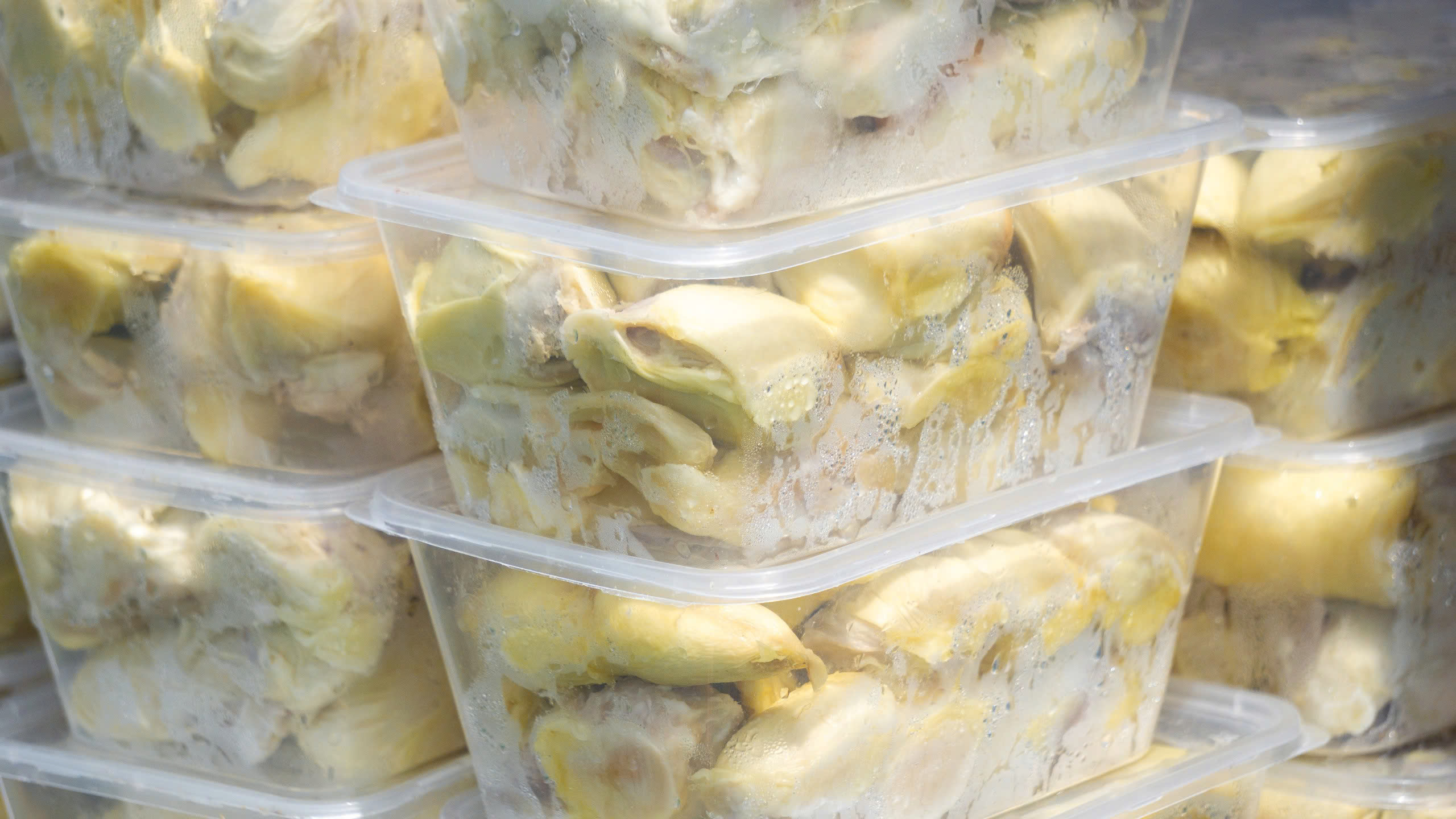
Vietnamese Durian Cuisine
Beyond being enjoyed fresh, Vietnamese durian is also a versatile ingredient used in a wide variety of delicious dishes and beverages. From traditional specialties to modern desserts, the fruit’s rich, creamy flavor and distinctive aroma have become an essential part of Vietnam’s culinary heritage, offering unique dining experiences for both local and international consumers.
Soc Trang Durian Pia Cake – A Famous Mekong Delta Specialty
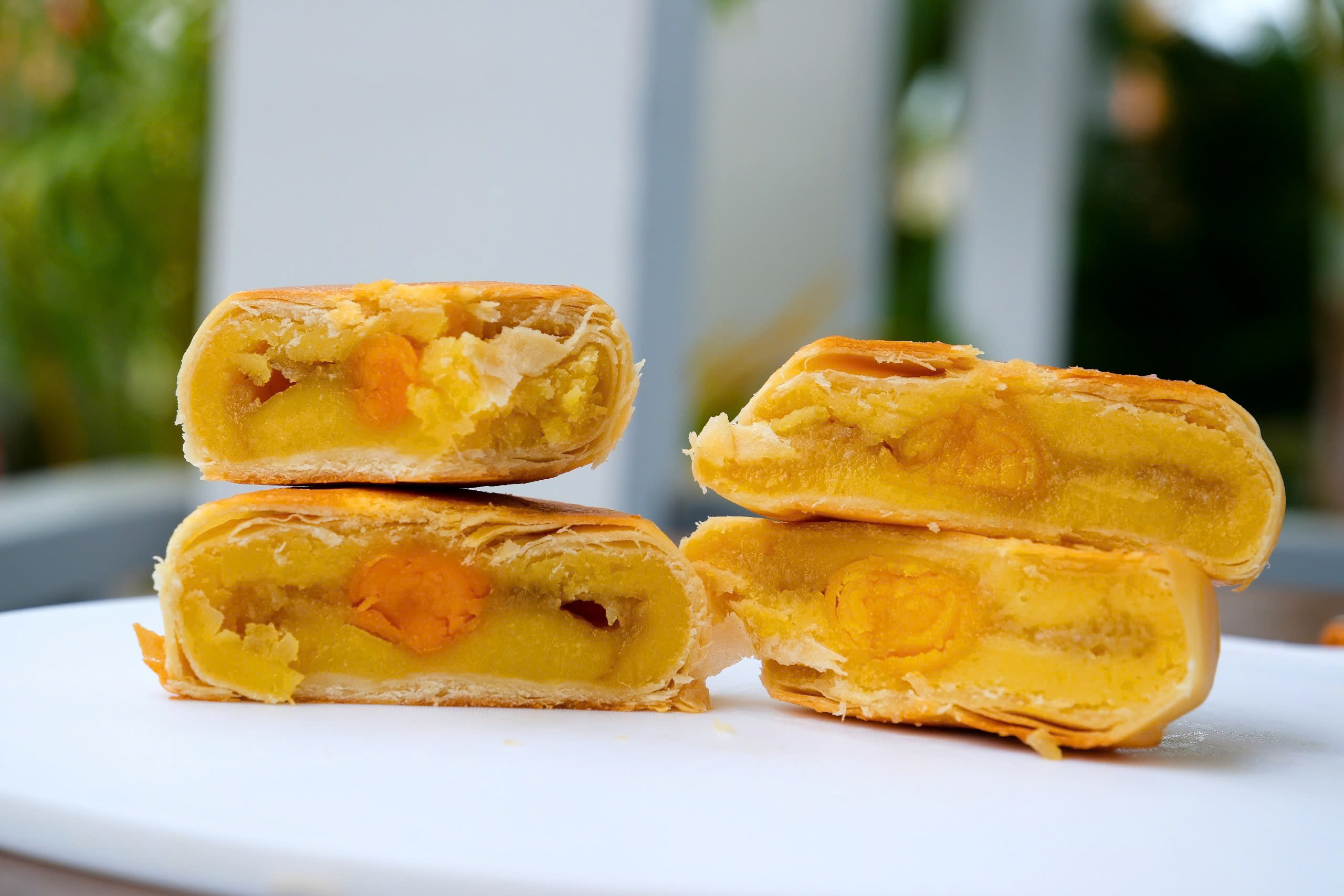
Durian Pia Cake is one of the signature delicacies of Soc Trang Province in southern Vietnam. Originating from the local Chinese community, it has gradually become one of the most iconic specialties of the Mekong Delta. The pastry features multiple delicate layers of flaky crust filled with durian, mung bean paste, and salted egg yolk, creating a rich, buttery, and perfectly balanced sweet-and-savory flavor.
Thanks to this harmonious combination of ingredients, Soc Trang Durian Pia Cake remains a favorite souvenir for travelers and one of the most popular traditional durian specialties in Vietnam.
Thai-Style Fruit Dessert with Durian (Chè Thái)
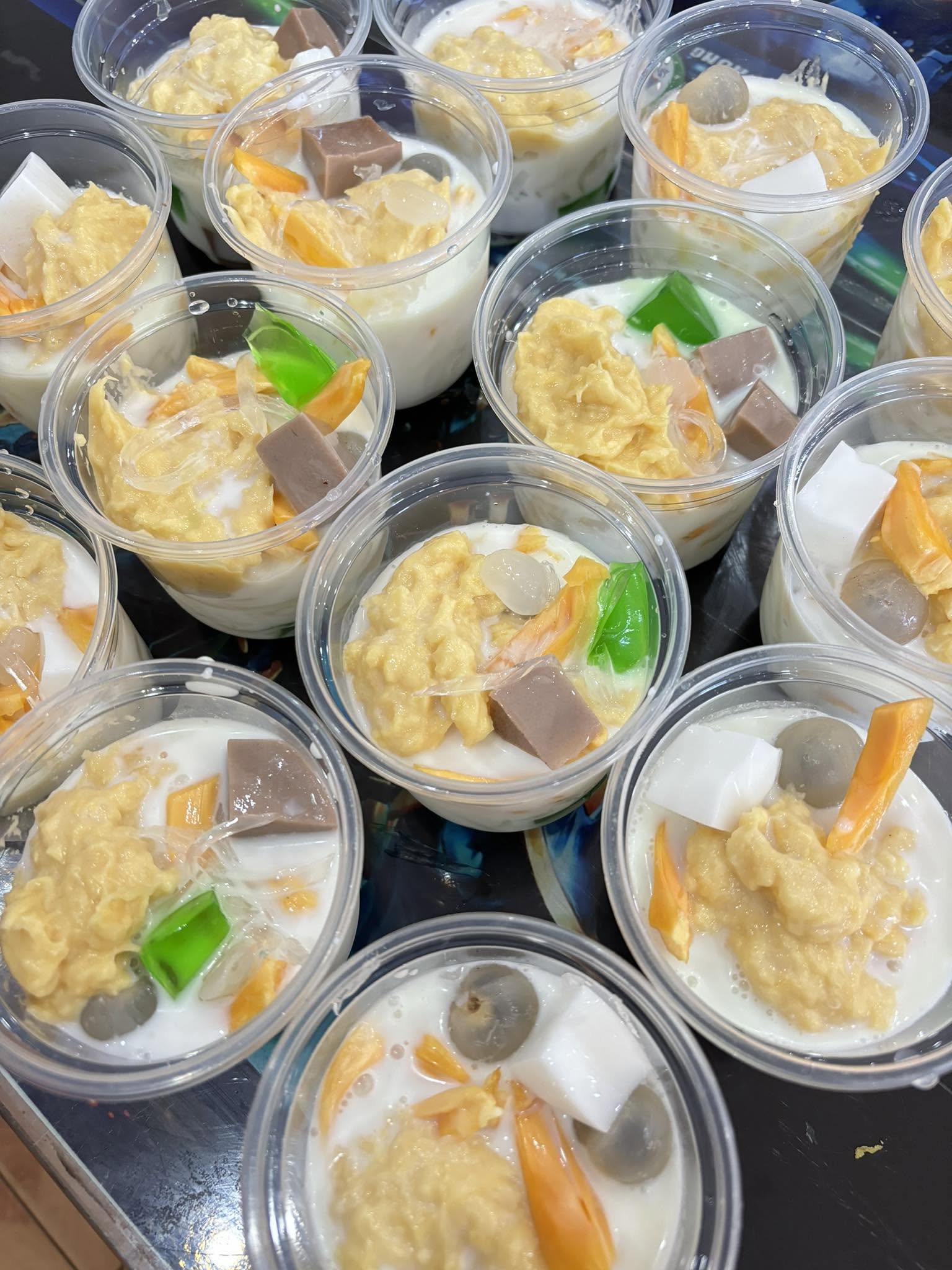
Thai-style fruit dessert with durian (Chè Thái) is a popular Vietnamese dessert that combines the rich, creamy flavor of Vietnamese durian with jackfruit, longan, jelly, and coconut milk. Sweet, refreshing, and served chilled, it is an ideal treat for hot summer days.
Ingredients
- 100 g ripe durian flesh
- 100 g sliced jackfruit
- 50 g fresh or canned longan
- 50 g coconut jelly or agar jelly, cut into bite-sized pieces
- 100 ml coconut milk
- 100 ml unsweetened fresh milk
- 2–3 tablespoons sweetened condensed milk
- Crushed ice or shaved ice
Instructions
- Step 1: Place the jackfruit, longan, and jelly into a serving bowl or glass.
- Step 2: Add the ripe durian flesh on top of the fruit mixture.
- Step 3: Mix the coconut milk, fresh milk, and condensed milk until smooth and creamy.
- Step 4: Pour the milk mixture over the fruit, then add crushed or shaved ice.
- Step 5: Gently stir before serving to blend all the ingredients, creating a refreshing dessert with the rich creaminess of durian balanced by the sweetness of tropical fruits and coconut milk.
Durian Smoothie
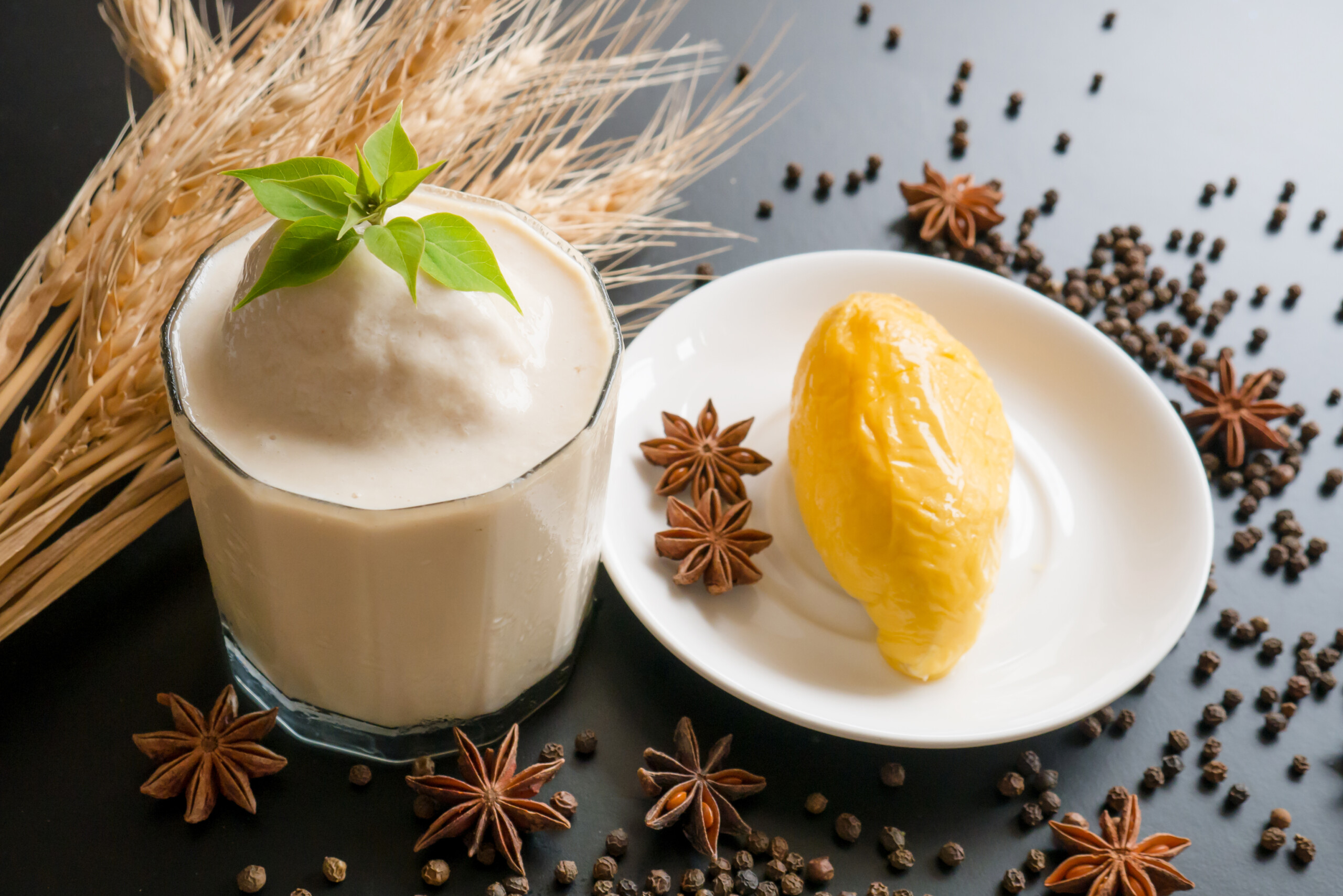
Durian smoothie is a rich, creamy, and nutritious beverage that showcases the authentic flavor of Vietnamese durian. Its smooth texture and naturally sweet taste make it a refreshing and energizing drink, especially on warm days.
Ingredients
- Ripe durian flesh
- Fresh milk
- Sweetened condensed milk
- Ice cubes
Instructions
Place the ripe durian flesh, fresh milk, condensed milk, and ice cubes into a blender. Blend until the mixture is smooth and creamy. Pour into a glass and serve immediately while chilled to fully enjoy the rich, buttery flavor and distinctive aroma of Vietnamese durian.
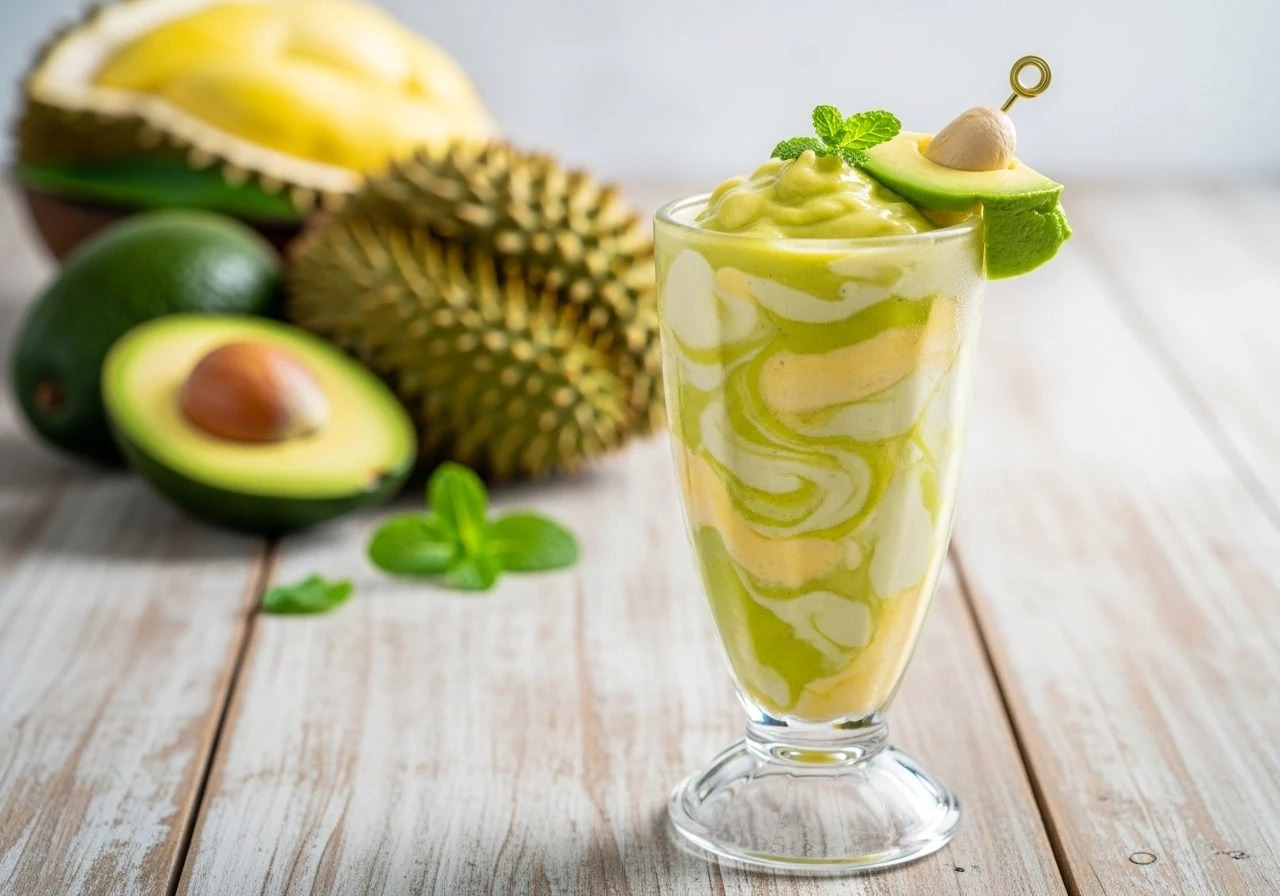
Avocado Durian Smoothie
Avocado durian smoothie combines the buttery richness of ripe avocado with the distinctive aroma of Vietnamese durian, creating a smooth, creamy, and nutrient-rich beverage. It is an excellent choice as a refreshing snack or a satisfying drink on hot summer days.
Ingredients
- Ripe avocado
- Ripe durian flesh
- Fresh milk
- Sweetened condensed milk
- Ice cubes
Instructions
Place the ripe avocado, durian flesh, fresh milk, condensed milk, and ice cubes into a blender. Blend until the mixture becomes smooth and creamy. Pour into a glass and serve immediately while chilled to enjoy the perfect balance of avocado’s buttery texture and the rich, fragrant flavor of Vietnamese durian.
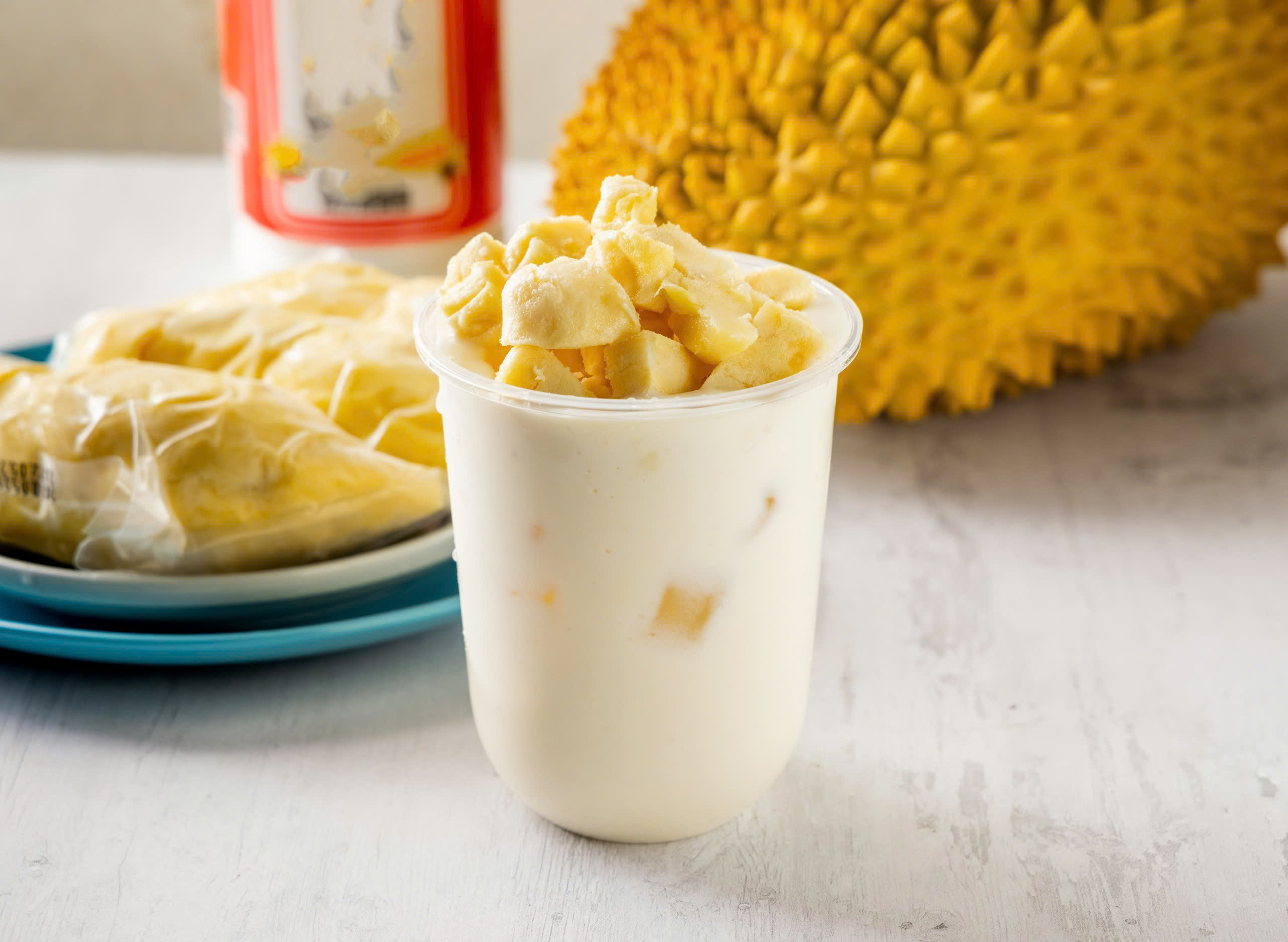
Durian Milk Tea
Durian milk tea is a unique beverage that combines the delicate flavor of brewed tea with creamy milk and the distinctive aroma of Vietnamese durian. It offers a modern twist for durian lovers who enjoy innovative drinks with rich tropical flavors.
Ingredients
- Black tea or oolong tea
- Ripe durian flesh
- Fresh milk
- Sweetened condensed milk
- Sugar (optional)
- Tapioca pearls, pudding, or other toppings of your choice
- Ice cubes
Instructions
Brew the black tea or oolong tea and allow it to cool completely. Blend the cooled tea with the durian flesh, fresh milk, condensed milk, and sugar until smooth and creamy. Pour the mixture into a glass filled with ice, then add tapioca pearls, pudding, or your preferred toppings before serving.
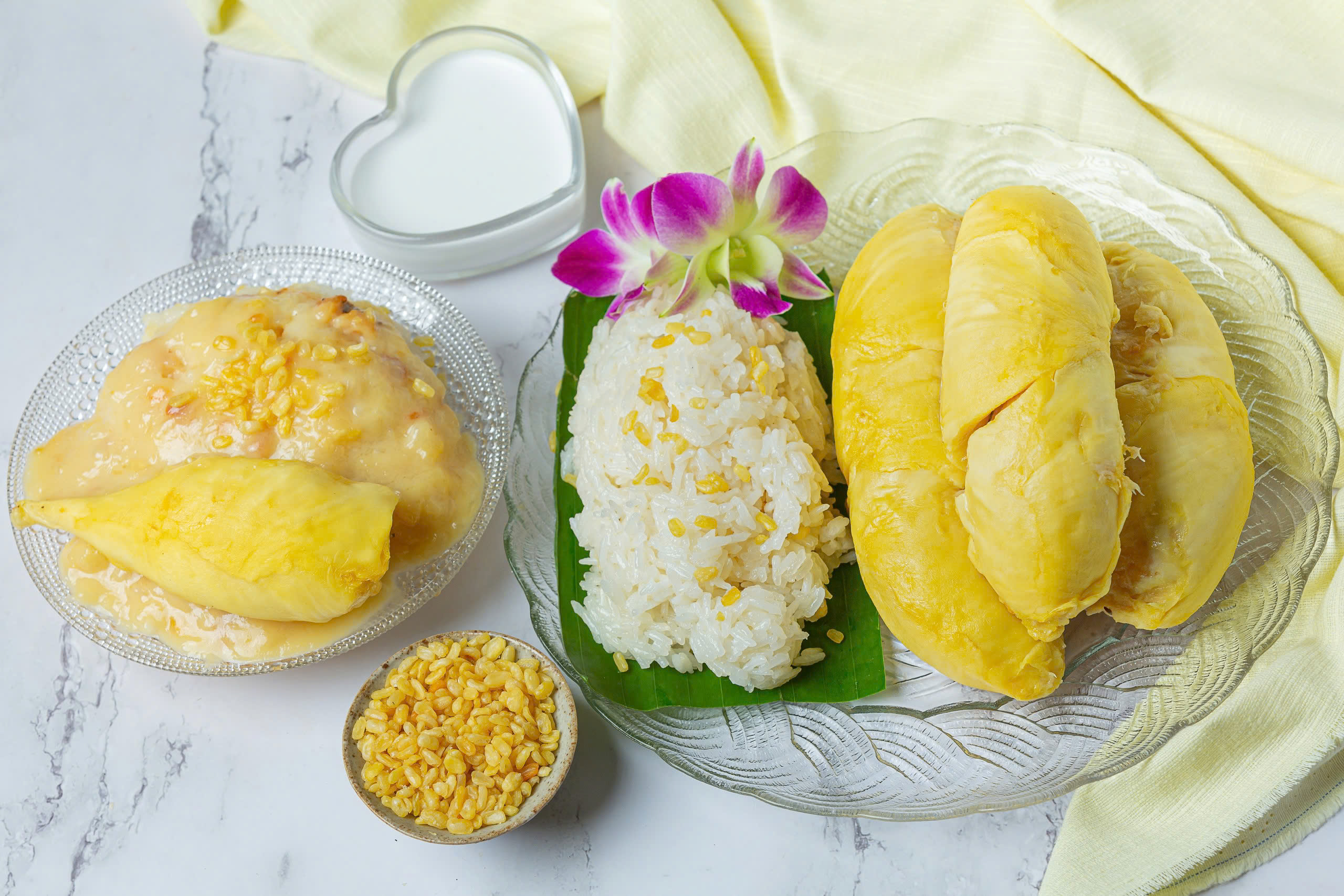
Durian Sticky Rice
Durian sticky rice is a popular specialty in Vietnam’s Mekong Delta, loved for its combination of glutinous sticky rice, rich coconut milk, and soft, ripe Vietnamese durian. This comforting dish is commonly enjoyed as a breakfast, afternoon snack, or dessert thanks to its rich flavor and satisfying texture.
Ingredients
- 300 g glutinous rice
- 150–200 g ripe durian flesh
- 200 ml coconut milk
- 50–70 g sugar
- 1/2 teaspoon salt
- 1 teaspoon tapioca starch (optional, for a thicker coconut sauce)
- Toasted sesame seeds or crushed roasted peanuts (optional, for garnish)
Instructions
- Step 1: Rinse the glutinous rice thoroughly and soak it for 6–8 hours or overnight. Drain well before cooking.
- Step 2: Mix the rice with a pinch of salt, then steam for 30–40 minutes until tender and sticky.
- Step 3: In a saucepan, heat the coconut milk with the sugar, salt, and tapioca starch (if using). Stir continuously until the sauce becomes slightly thickened.
- Step 4: Drizzle part of the coconut sauce over the freshly steamed sticky rice and gently mix to allow the rice to absorb the rich coconut flavor.
- Step 5: Transfer the sticky rice to a serving plate, top with the ripe durian flesh, drizzle with the remaining coconut sauce, and garnish with toasted sesame seeds or crushed roasted peanuts before serving.
Durian sticky rice is best enjoyed while still warm, allowing you to fully appreciate the chewy texture of the sticky rice, the richness of the coconut milk, and the distinctive aroma of Vietnamese durian.
The Value of Vietnamese Durian
Vietnamese durian is not only one of the country’s most beloved fruits but also one of its highest-value agricultural products. The expansion of cultivation areas, continuous improvements in fruit quality, and compliance with international export standards have provided stable income opportunities for farmers while supporting the growth of Vietnam’s agriculture and food processing industries.
Beyond its economic significance, Vietnamese durian has played an important role in strengthening the global reputation of Vietnam’s agricultural exports. With its premium quality, reliable year-round supply, and versatility in processed products such as frozen durian, durian puree, and durian-based confectionery, Vietnamese durian continues to gain popularity in international markets. As a high-value agricultural product, it not only generates strong export revenues but also reinforces the global recognition of Vietnam as a trusted supplier of premium tropical fruits.
Nutritional Value
Vietnamese durian is a rich source of essential nutrients, including carbohydrates, dietary fiber, vitamin C, B-complex vitamins, potassium, magnesium, and antioxidants. When consumed in moderation, durian provides a natural source of energy, supports the immune system, and supplies important vitamins and minerals that contribute to overall health and well-being.
Economic Value
Compared with many other fruit crops, Vietnamese durian is considered one of the country’s most valuable agricultural products due to its strong market demand and growing commercial value. Depending on the variety, growing conditions, and cultivation practices, durian orchards can achieve high yields, providing substantial income for farmers, particularly in key production regions such as the Mekong Delta and the Central Highlands.
Vietnam’s durian export industry continues to show significant growth as global demand increases. According to Vietnam Customs, durian exports reached approximately USD 221.7 million in the first quarter of 2026, representing a 230% increase compared with the same period in 2025. During this period, Vietnam exported more than 80,000 metric tons of durian, including approximately 68,500 metric tons of fresh durian and 11,600 metric tons of frozen durian.
In addition to maintaining strong performance in traditional export markets, Vietnamese durian has achieved remarkable growth in several emerging destinations. In the first quarter of 2026, exports to the United States increased by over 107%, South Korea by nearly 262%, Australia by more than 40%, and Japan by almost 12%. These results demonstrate Vietnam’s growing production capacity, its ability to meet increasingly stringent international quality standards, and its expanding presence in global markets.
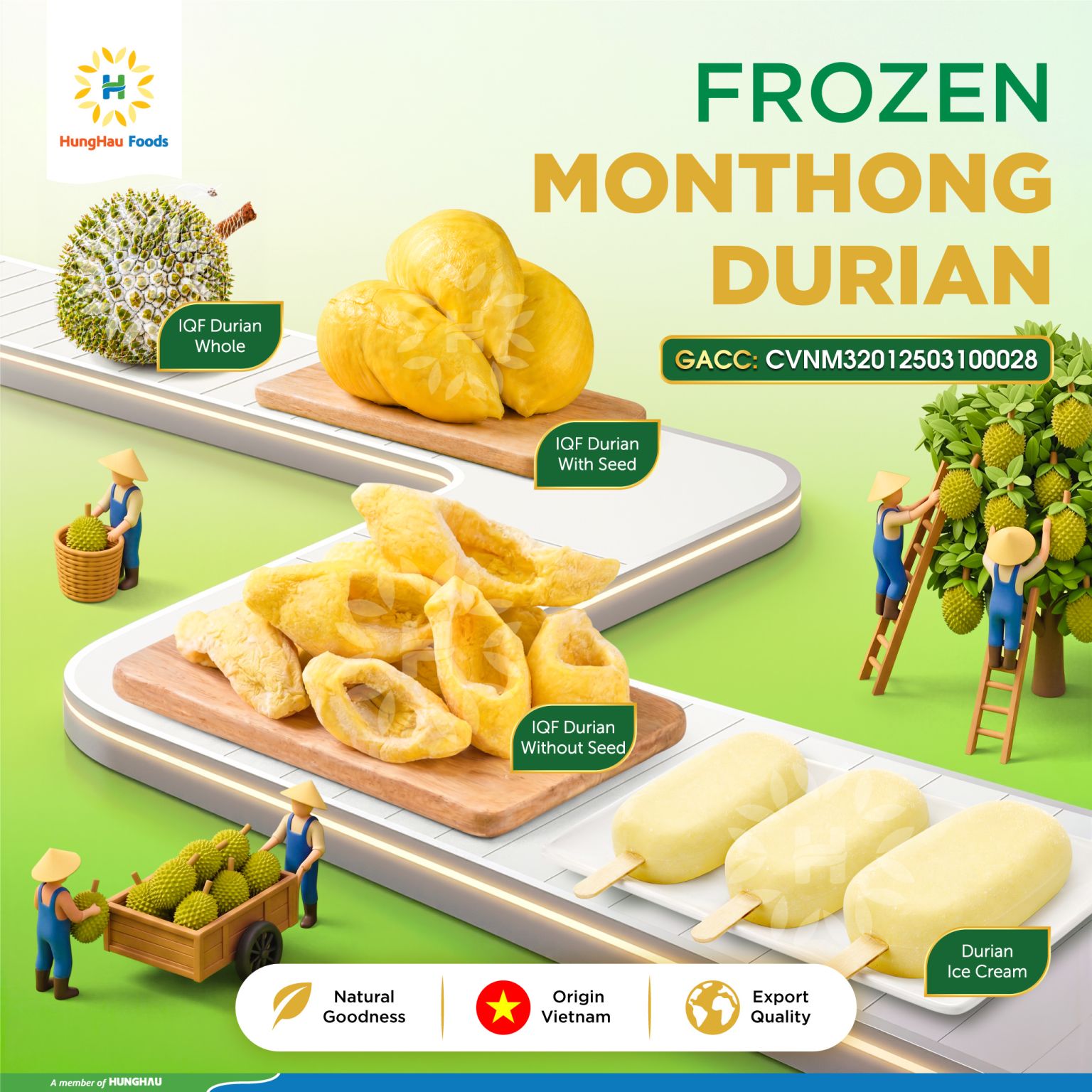
Vietnamese Durian Export Products
In addition to fresh fruit, Vietnamese durian is processed into a wide range of value-added products to meet the demands of international markets, including:
- Fresh Durian: Primarily exported to China and an increasing number of international markets.
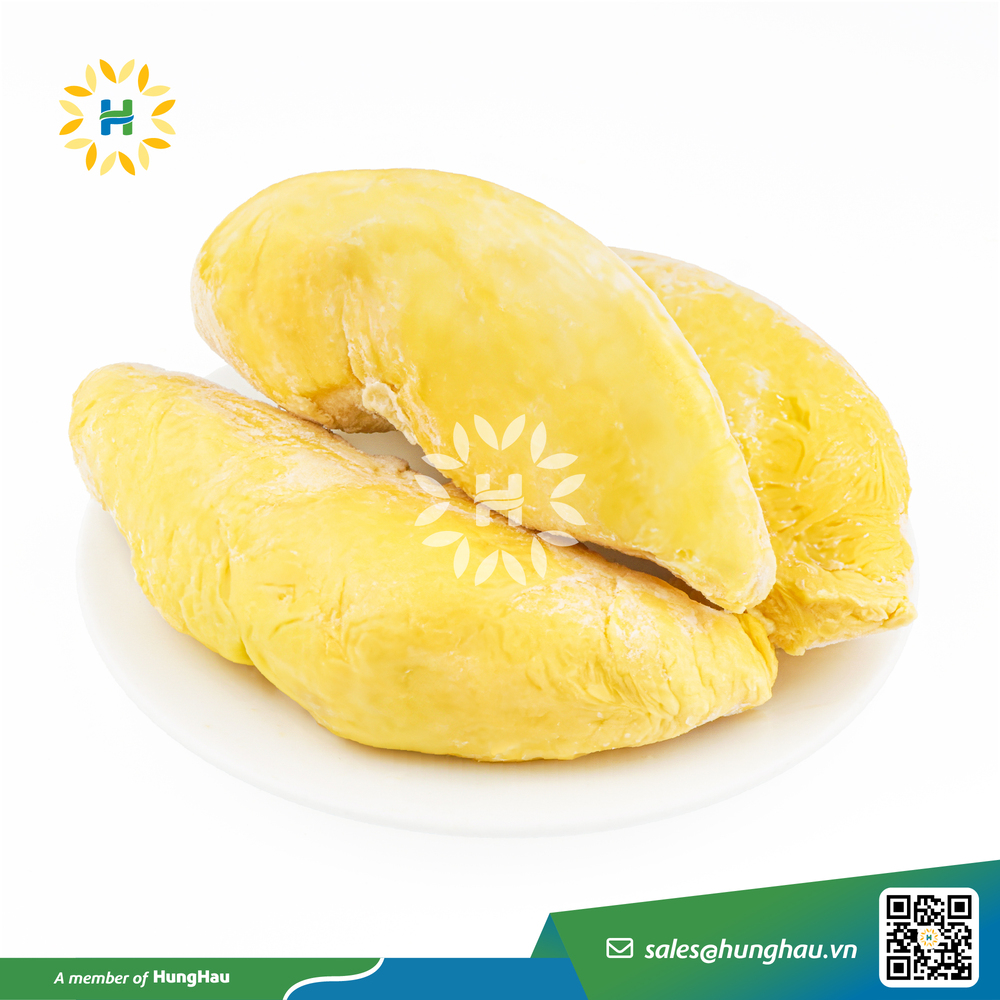
- Frozen Durian: Preserved using advanced freezing technology to maintain its natural flavor, texture, and quality.
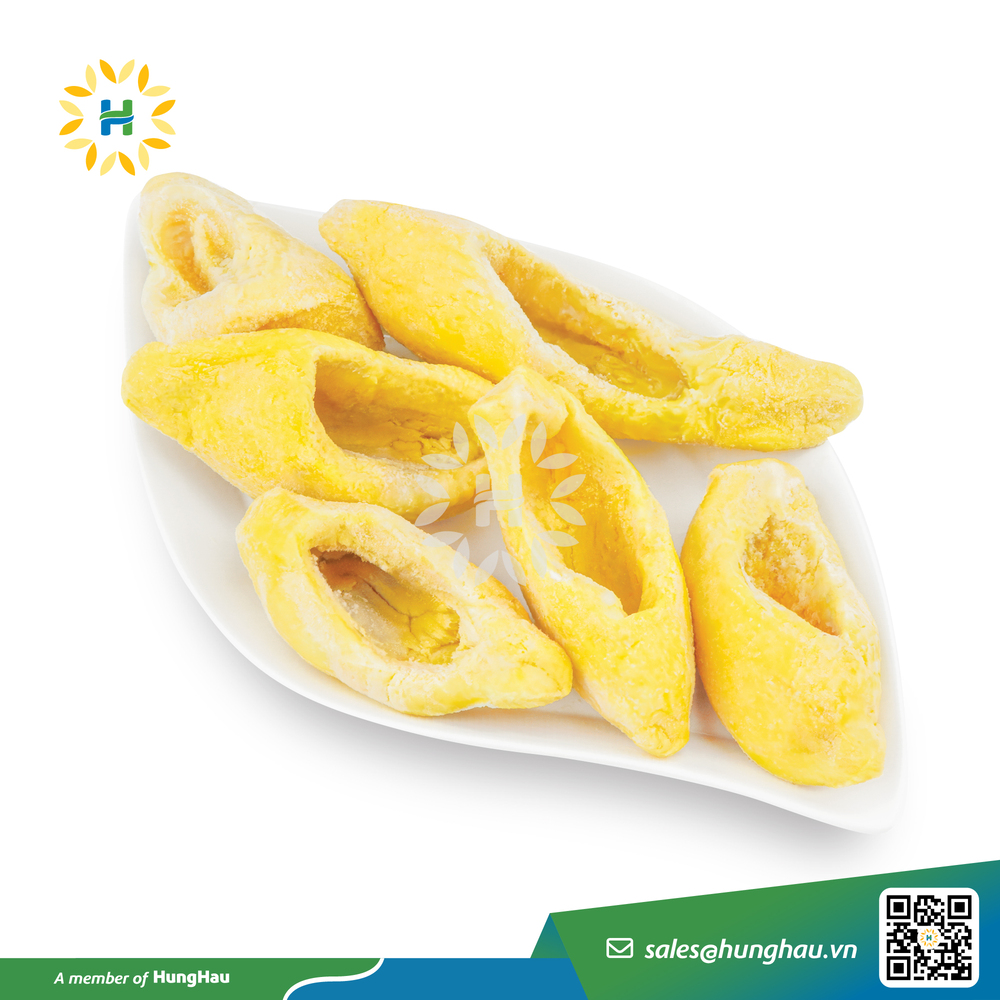
- IQF Frozen Durian Segments: Seedless, individually quick frozen durian flesh that offers convenience for both consumers and food manufacturers.
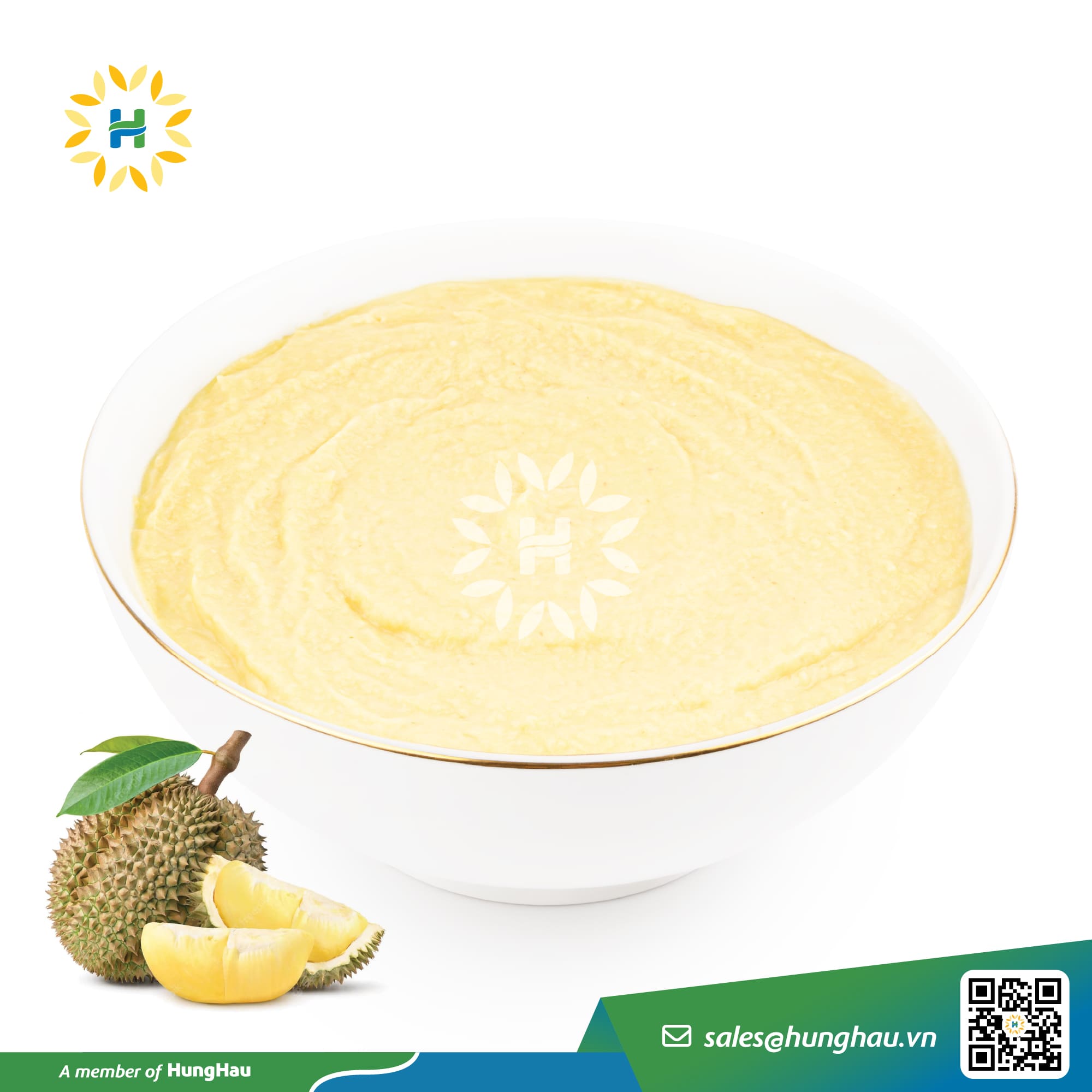
- Durian Puree: A versatile ingredient widely used in ice cream, bakery products, beverages, desserts, and other processed foods.
- Dried Durian: A shelf-stable product suitable for gifting and export due to its long storage life.
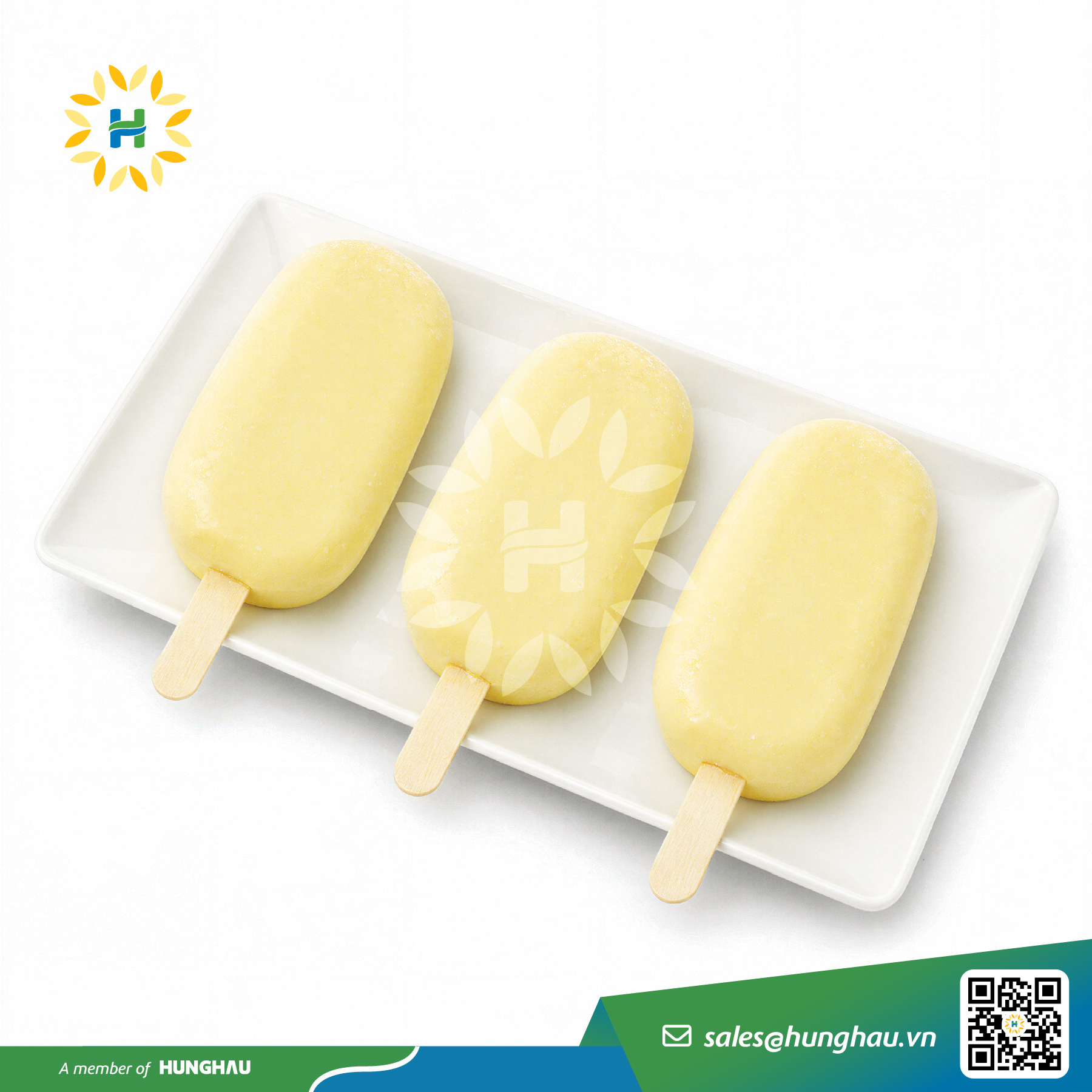
- Durian Ice Cream: A high-value processed product that is becoming increasingly popular in many international markets.
Durian Exporter
As one of Vietnam’s leading companies in agricultural processing and exports, HungHau Foods continuously invests in raw material sourcing, advanced production technology, and comprehensive quality management systems to bring Vietnamese durian to customers around the world. The company offers a diverse range of durian products, including frozen durian, IQF frozen durian flesh, frozen durian puree, and other value-added durian products, meeting the diverse needs of international partners and global markets.
With modern manufacturing facilities, integrated production processes, and internationally recognized certifications including GACC, BRCGS, HACCP, ISO 22000, HALAL, Kosher, FDA, and SMETA, HungHau Foods meets stringent international requirements for product quality, food safety, and traceability. Today, the company exports a wide range of Vietnamese agricultural products to more than 80 countries and territories, contributing to the global recognition of Vietnamese durian and strengthening the reputation of Vietnam’s agricultural products in international markets.
Through this overview of Vietnamese durian and its culinary heritage, it is clear that Vietnamese durian is much more than a premium tropical fruit. With its rich, distinctive flavor, significant economic value, cultural importance, and growing export potential, it has become one of Vietnam’s most valuable agricultural products. Supported by favorable growing regions, staggered harvest seasons, high-quality production, and an expanding range of fresh and processed durian products, Vietnamese durian continues to gain popularity among consumers worldwide while enhancing the global image and value of Vietnam’s agricultural industry.
References: Sầu riêng Việt tăng tốc năm 2026: Từ “trái cây tỷ đô” đến hành trình nâng tầm nông nghiệp Việt
Contact Us:
Email: sales@hunghau.vn
Hotline: (+84)79 721 3333
Email: hana@hunghau.vn
Hotline:(+84)79 721 3333
Email: yenn@hunghau.vn
Hotline: (+84)78 520 3333