


Market News, News & Event, Tin thị trường
WHY IS VIETNAMESE FROZEN MANGO GAINING GLOBAL POPULARITY?
Vietnamese frozen mango is becoming one of the world’s most popular processed fruit products, thanks to its consistent quality, natural flavor, and year-round availability. What makes Vietnamese frozen mango so highly favored around the world?
Key Factors Behind the Global Popularity of Vietnamese Frozen Mango
Convenience
The demand for frozen mango continues to grow as consumers increasingly prefer products that are convenient, easy to store, and available year-round. At the same time, the rapid expansion of the food processing industry, F&B chains, beverage manufacturers, and retail sectors has driven greater demand for frozen mango as a reliable ingredient due to its consistent quality and extended shelf life. Frozen products also help reduce post-harvest losses, minimize food waste, and support the fast-paced needs of modern food preparation.
In addition, Individual Quick Freezing (IQF) technology enables frozen mango to retain its natural color, flavor, and texture, closely resembling fresh fruit while reducing product loss during transportation and storage. These advantages have made frozen mango an increasingly preferred choice among importers worldwide, particularly in the European market.

Growth of the Processed Food Industry
The rapid growth of the smoothie, bakery, dried fruit, and processed food industries is driving global demand for frozen mango. Businesses in these sectors require ingredients that offer consistent quality, are easy to store, and are ready to use, helping optimize production processes while maintaining uniform taste and product quality.
Thanks to Individual Quick Freezing (IQF) technology, frozen mango retains its natural color, flavor, and texture after freezing, making it an ideal ingredient for smoothies, juices, ice cream, yogurt, baked goods, jams, pie fillings, and a wide range of processed food products. As a result, frozen mango has become an increasingly preferred ingredient for food manufacturers and F&B businesses worldwide.
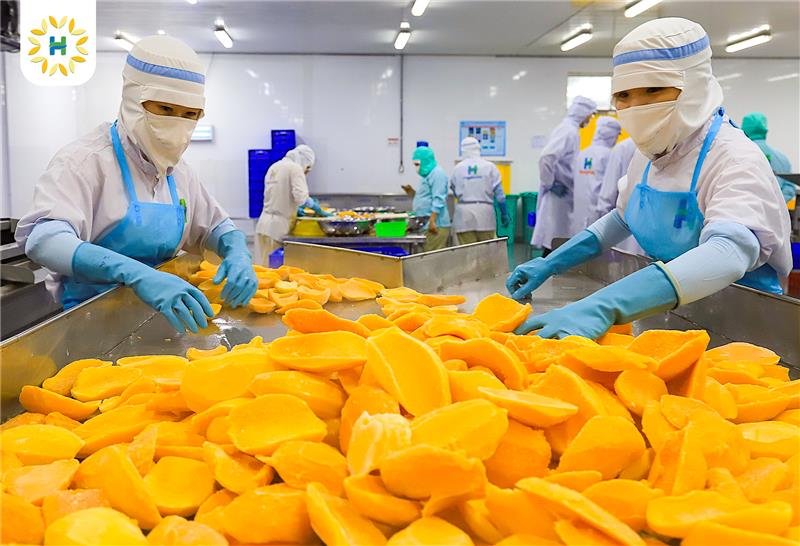
Most Vietnamese Manufacturers Are Equipped with IQF Freezing Technology
Most frozen mango manufacturers in Vietnam utilize Individual Quick Freezing (IQF) technology to ensure high product quality. IQF rapidly freezes mango in a short period, minimizing the formation of large ice crystals and preserving the fruit’s natural color, flavor, texture, and nutritional value. In addition, each mango piece is frozen individually, preventing clumping and making storage, handling, and portioning more convenient.
This advanced freezing technology is one of the key factors that enables Vietnamese frozen mango to meet the stringent requirements of international importers and expand its presence in export markets, particularly in Europe.
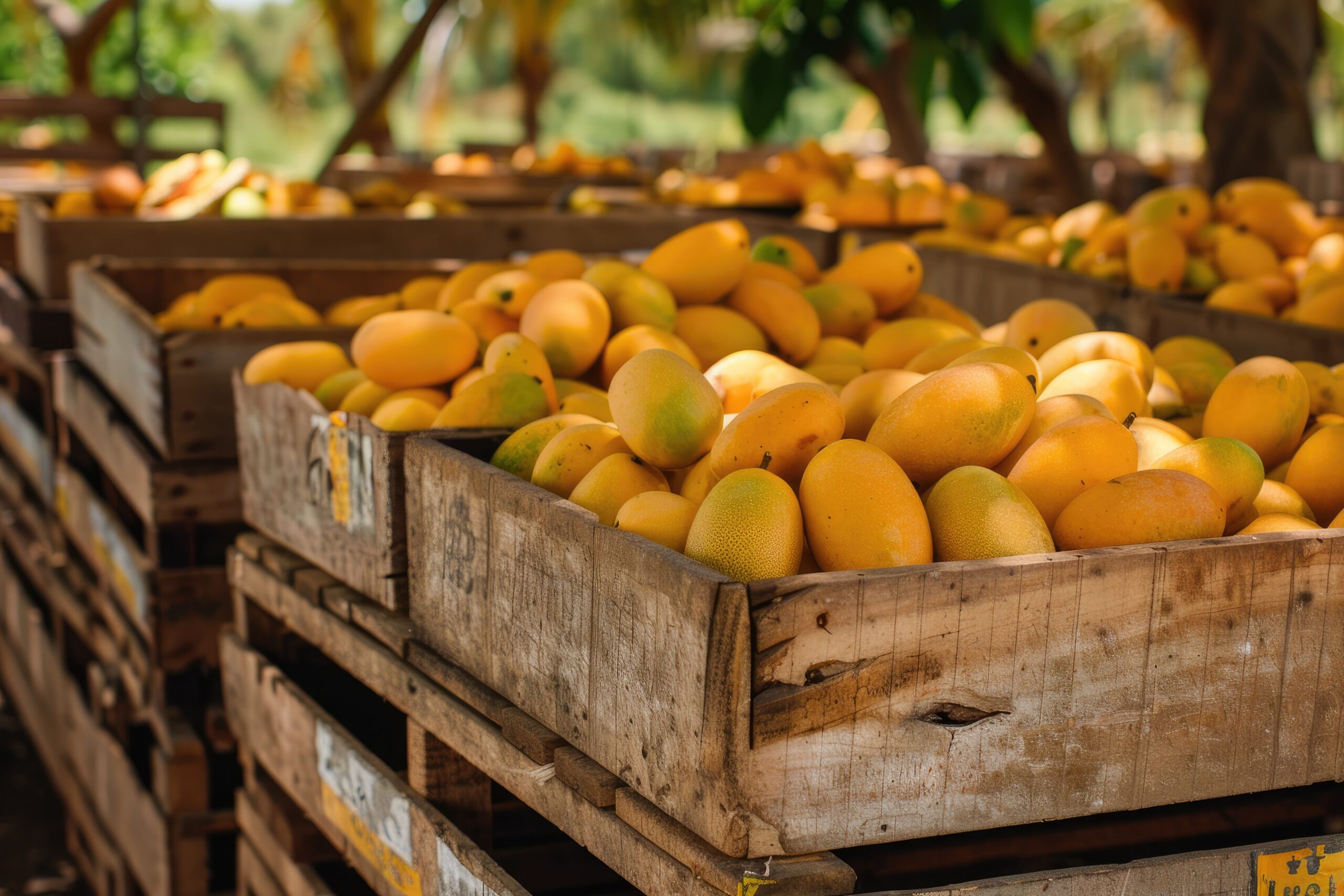
High-Quality Raw Material Supply
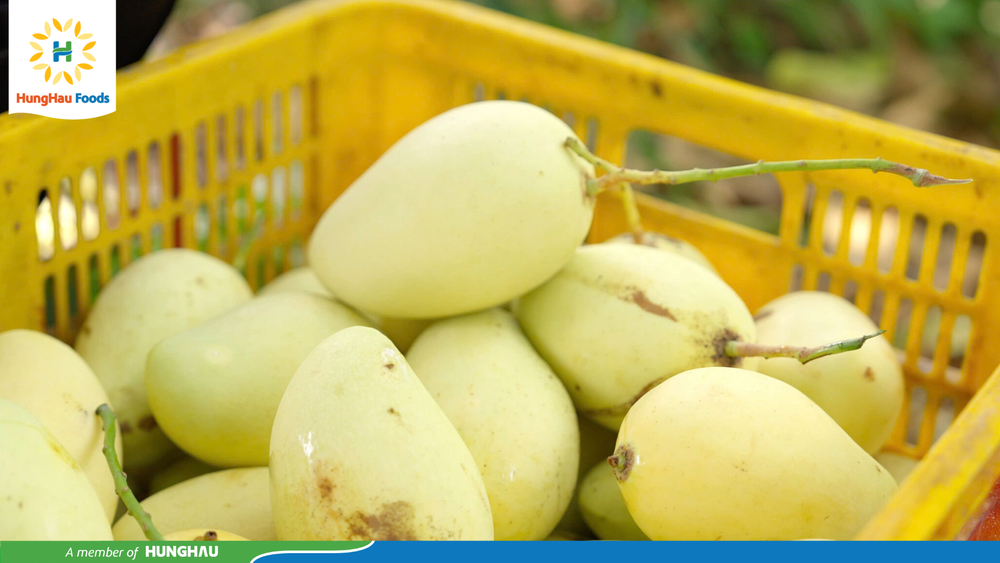
Vietnam is home to extensive mango-growing regions located in the Mekong Delta, the Southeast, and the Northern mountainous provinces. According to data released by the Southern Horticultural Research Institute (SOFRI) in September 2025, Vietnam has approximately 115,000 hectares of mango plantations, with an annual production of around 1.021 million metric tons. This abundant supply enables manufacturers to select raw materials based on variety, ripeness, size, and specific processing requirements.
Several provinces have established large-scale mango cultivation areas with significant production capacity. In Dong Thap Province, the mango cultivation area reached approximately 15,752 hectares in 2025, producing an average of more than 200,000 metric tons annually. Popular varieties include Cat Chu, Cat Hoa Loc, and Tuong Da Xanh mangoes, providing a diverse and reliable supply of raw materials for the fresh market, IQF freezing, mango puree production, and a wide range of processed mango products.

European Union (EU)
For the European market, imported frozen mango must comply with the EU’s strict regulations on food hygiene and safety, maximum residue limits (MRLs) for pesticides, contaminant control, and product traceability. The EU operates a risk-based import control system, requiring imported food products to meet safety standards equivalent to those applied to products produced within the European Union.
Manufacturers are required to maintain comprehensive batch records, including the origin of the raw materials, mango receiving date, production date, laboratory test results, packaging batch code, and consignee information. These records enable importers to quickly trace products in the event of non-compliance or a product recall.
Beyond regulatory requirements, many European importers and retail chains also prefer suppliers whose factories hold internationally recognized certifications such as BRCGS, IFS, FSSC 22000, or social responsibility certifications. These are generally commercial requirements set by buyers rather than mandatory import licenses applicable to every shipment.
Example:
A German importer may order 20 × 20 mm IQF diced mango packed in 10 kg cartons for use in smoothie manufacturing. Before signing a supply agreement, the buyer may request the following documents:
- Product specification sheet
- Pesticide residue test reports
- Microbiological test reports
- Information on mango varieties and growing regions
- Details of the IQF freezing process and metal detection procedures
- Batch codes enabling full traceability from finished products back to raw material lots
- Photos of the product after thawing to evaluate color, fiber content, and the percentage of broken pieces
Đối với sản phẩm bán lẻ, người mua có thể yêu cầu túi 300 g, 500 g hoặc 1 kg. Trong khi đó, khách hàng công nghiệp thường lựa chọn thùng 10 kg hoặc quy cách lớn hơn để thuận tiện cho sản xuất.
United States
Frozen mango imported into the United States is regulated by the U.S. Food and Drug Administration (FDA). Foreign facilities that manufacture, process, pack, or hold food intended for export to the U.S. may be required to register with the FDA. In addition, each imported food shipment must be accompanied by a Prior Notice submission in accordance with applicable FDA regulations.
Under the Foreign Supplier Verification Program (FSVP), U.S. importers are responsible for evaluating and verifying that their foreign suppliers produce food in compliance with FDA food safety requirements. Verification activities may include reviewing hazard analyses, product testing, food safety records, and factory audits.
Frozen mango must be produced under sanitary conditions, be free from adulteration, and be accurately labeled. For retail-packaged products, labels must include all mandatory information in English and comply with U.S. labeling regulations.
Example:
A U.S. company importing frozen mango for a smoothie chain may request the following documents from a Vietnamese manufacturer before placing an order:
- FDA facility registration documentation
- Hazard analysis for frozen mango production
- Sanitation procedures for equipment and production areas
- Control measures for microbiological hazards, foreign materials, and chemical contaminants
- Raw material supplier approval records
- Batch-specific laboratory test reports
- Factory audit or inspection reports
- Documentation supporting the importer’s FSVP compliance
Regarding product specifications, customers may order 15 × 15 mm or 20 × 20 mm diced frozen mango for smoothie production. If the product is intended for retail sale in supermarkets, buyers may require 1 lb or 2 lb retail packs with English labeling that includes the ingredient list, net weight, storage instructions, and the name and address of the U.S. distributor, in compliance with U.S. labeling regulations.

Japan and South Korea
Both Japan and South Korea place strong emphasis on the uniformity, natural color, ripeness, cut specifications, and food safety control of frozen mango. However, exporters should note that these two markets have different import procedures and labeling requirements, meaning a single documentation package should not be used for both countries.
In Japan, imported food is regulated under the Food Sanitation Act. Importers must submit an import notification, and products may be subject to inspection under Japan’s imported food monitoring program. Japan also enforces a Positive List System for agricultural chemical residues, under which food products exceeding the established maximum residue limits (MRLs) are not permitted for distribution.
Example – Japan:
A customer supplying ingredients to bakery and dessert chains may order 10 × 10 mm IQF diced mango and require:
- Uniform cut size
- Natural golden-yellow color with minimal green or discolored pieces
- Consistent ripeness and sweetness across production batches
- Low fiber content
- A percentage of broken pieces within the agreed specification
- Free from peel, seeds, stems, and other foreign materials
- Documentation demonstrating compliance with pesticide residue limits
- Product samples evaluated after thawing to assess overall quality
Some Japanese buyers also conduct multiple rounds of product sample evaluations before approving a supplier. Manufacturers may be required to submit samples from different production batches to demonstrate that the mango’s color, flavor, and texture remain consistent throughout the harvest season.
In South Korea, overseas food manufacturing facilities must be registered before import declarations can be completed, in accordance with applicable regulations. Imported frozen mango must also comply with the inspection and labeling requirements established by the Ministry of Food and Drug Safety (MFDS).
Food labels in South Korea may be required to include information such as the product name, food category, manufacturer or distributor, production date or expiration date, ingredient list, country of origin, net weight, and storage instructions.
Example – South Korea:
A retailer may order 500 g packs of frozen mango for sale through supermarkets and e-commerce platforms. In addition to laboratory test reports, the buyer may request:
- Korean-language product labels
- Name and address of the importer
- Country of origin: Vietnam
- Ingredient declaration: “100% Mango” (if no other ingredients are added)
- Production date, expiration date, and batch number
- Frozen storage instructions
- A warning stating “Do not refreeze after thawing”, where applicable
- Barcodes and carton specifications compatible with the retailer’s distribution system
Middle East
The Middle East does not have a unified import system. Countries such as Saudi Arabia, the United Arab Emirates (UAE), Qatar, and Kuwait may each apply different registration procedures, inspection requirements, and labeling regulations. Therefore, exporters should identify the destination country before preparing export documentation to ensure compliance with local requirements.
In Saudi Arabia, imported frozen mango must comply with the regulations and technical standards established by the Saudi Food and Drug Authority (SFDA). These requirements may cover packaged food labeling, shelf life, microbiological standards, maximum pesticide residue limits, and transportation conditions for frozen food products. In certain cases, the SFDA also requires products to be sourced from facilities that are included on its list of approved exporters.
Example – Saudi Arabia:
A distributor supplying the hotel and restaurant sector may order 1 kg bags of IQF frozen mango pieces. The product documentation and packaging may be required to include:
- Product name and product category
- Ingredient declaration
- Country of origin
- Net weight
- Production date and expiration date
- Batch number
- Storage instructions
- Manufacturer and importer information
- Microbiological and pesticide residue test reports
- Temperature monitoring records throughout transportation and cold chain distribution
Opportunities for Vietnamese Exporters
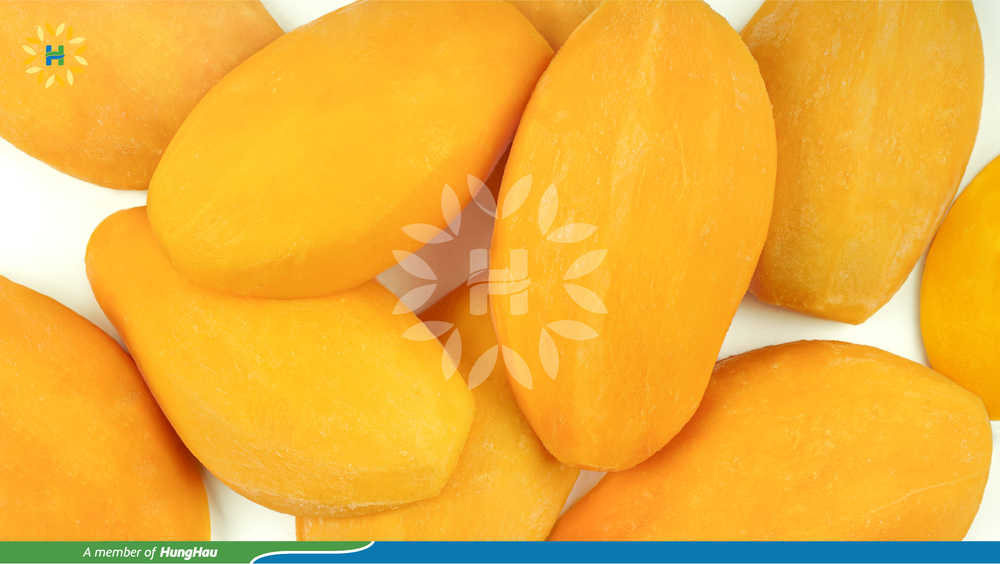
Vietnam is well positioned to expand its share of the global frozen mango market. With its tropical climate, extensive mango-growing regions, and a wide selection of high-quality mango varieties, the country is capable of supplying a stable volume of raw materials throughout the year. This consistent supply is a key advantage for international buyers seeking reliable long-term sourcing partners, particularly in high-demand markets such as Europe, the United States, Japan, and South Korea.
Beyond its abundant raw material resources, the growing global demand for processed fruit and convenient food products presents significant opportunities for Vietnamese frozen mango exporters. To strengthen their competitiveness, manufacturers should continue investing in Individual Quick Freezing (IQF) technology, internationally recognized quality management systems, and certifications such as HACCP, BRCGS, ISO, and Halal. Expanding product formats to meet the specific requirements of different markets is also essential. In addition, offering OEM/Private Label services, developing efficient cold chain logistics, and maintaining robust traceability systems will enable Vietnamese exporters to deliver greater value, broaden their international customer base, and reinforce their position in the global frozen fruit market.
HungHau Foods – A Trusted Frozen Mango Supplier for the Global Market
HungHau Foods is a trusted supplier of premium frozen mango to customers across Europe, North America, Asia, and other international markets. The company works with a stable network of mango-growing regions in Vietnam’s key cultivation areas, ensuring a reliable year-round supply of high-quality raw materials. This enables HungHau Foods to consistently meet the sourcing needs of importers, retail chains, food manufacturers, and foodservice businesses worldwide.
To preserve the freshness and quality of mangoes after harvest, HungHau Foods has invested in advanced Individual Quick Freezing (IQF) technology. This modern freezing process helps retain the fruit’s natural color, distinctive flavor, texture, and nutritional value. Every stage of production—from raw material selection and preparation to IQF freezing, packaging, and cold storage—is carefully controlled under strict quality management systems, ensuring consistently high-quality frozen mango products for international customers.
To meet the diverse requirements of global buyers, HungHau Foods offers a wide range of frozen mango products, including chunks, dices, halves, puree, and soft-dried mango, as well as customized cut sizes tailored to specific applications. These products are ideal for use in smoothies, juices, ice cream, yogurt, bakery products, desserts, and a variety of processed food and beverage applications.
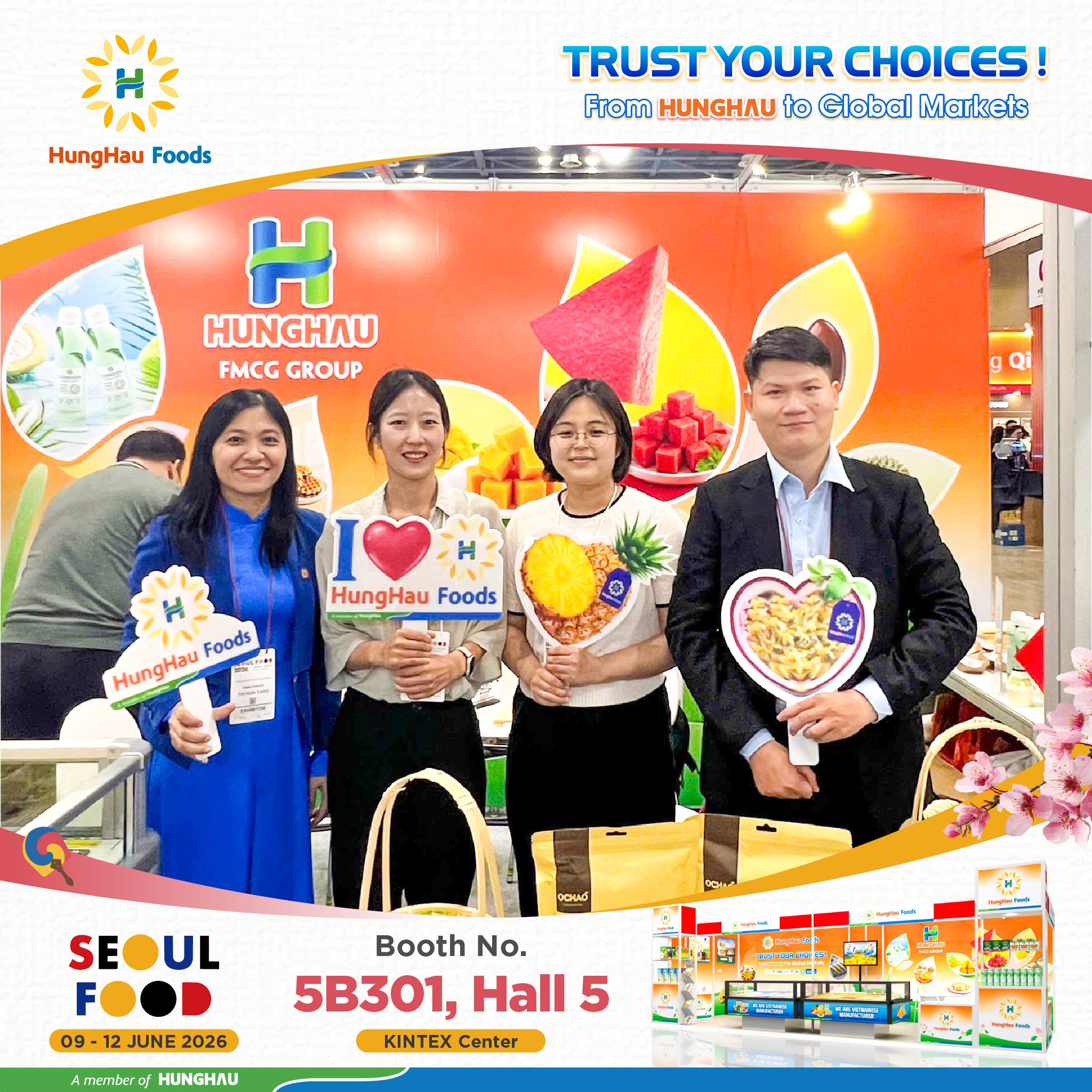
Beyond its manufacturing capabilities, HungHau Foods is committed to maintaining internationally recognized quality management systems to meet the stringent requirements of global export markets. The company also provides comprehensive OEM/ODM and Private Label services, supporting customers throughout the entire product development process—from product formulation and packaging design to customized packaging specifications tailored to individual market and brand requirements.
With advanced manufacturing capabilities, decades of experience in frozen food processing, a stable raw material supply, and competitive pricing, HungHau Foods is committed to delivering high-quality frozen mango solutions while supporting its partners in expanding their markets and achieving sustainable global growth.
As global demand for frozen mango continues to rise across major international markets, investing in product quality, advanced processing technology, and reliable production capacity will be the key to helping Vietnamese exporters expand their market share. The growing popularity of Vietnamese frozen mango is driven not only by its exceptional quality but also by its competitive pricing and modern processing technology. Backed by state-of-the-art manufacturing facilities and a commitment to sustainable development, HungHau Foods is ready to partner with customers worldwide in the sourcing, production, and processing of premium frozen mango products.