

Market News, News & Event, Tin thị trường
WHY FROZEN VIETNAMESE DURIAN IS SUCCESSFULLY WINNING OVER THE CHINESE MARKET
In recent years, frozen Vietnamese durian has become one of the most promising categories in the agricultural export industry. While fresh durian paved the way for Vietnamese fruits to penetrate the Chinese market, frozen durian has opened up even greater export opportunities thanks to its longer shelf life, higher added value through processing, and suitability for a wide range of distribution channels, from retail to the food manufacturing industry.
How Has Vietnamese Durian Won Over the Chinese Market?
China is the world’s largest durian-consuming market, with a population of over one billion people. Chinese consumers particularly favor durian varieties with golden flesh, a rich creamy taste, a distinctive aroma, and pronounced sweetness. Vietnamese durian meets these preferences exceptionally well thanks to its advantageous varieties, favorable growing regions, and extended harvesting seasons. For consumers who prefer a rich and intense durian flavor, Vietnam’s Ri6 variety is often considered more appealing than many other regional suppliers.
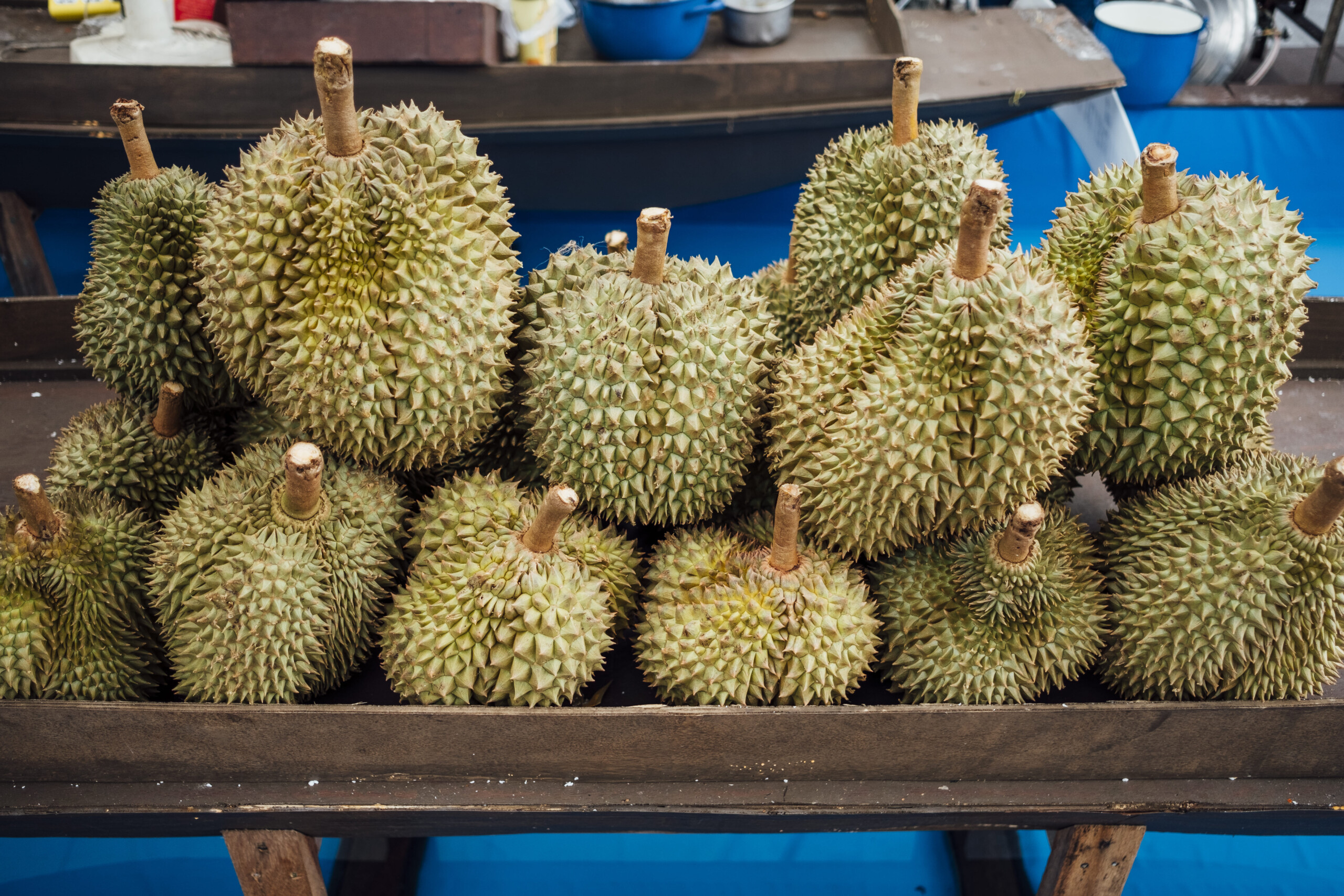
According to reports citing Chinese customs data, Vietnam exported approximately USD 3.44 billion worth of durian to China in 2025, an increase from USD 2.94 billion in 2024. These figures indicate that Vietnamese durian continues to strengthen its presence in a vast market where competition is becoming increasingly intense.
For frozen durian specifically, a significant milestone was reached when Vietnam and China signed the Protocol on Plant Quarantine and Food Safety Requirements for Frozen Durian on August 19, 2024. According to the Government Portal of Vietnam, this agreement officially authorized frozen Vietnamese durian to enter the Chinese market, creating substantial opportunities for deep-processed durian products.
During the first six months of 2025, frozen durian exports experienced remarkable growth. The Government Portal reported that Vietnam exported 388 shipments of frozen durian, totaling 14,282 tons—more than three times the volume recorded during the same period of the previous year. Meanwhile, fresh durian exports reached nearly 130,000 tons through 5,217 shipments. These figures suggest that frozen durian is no longer merely a supplementary product but is increasingly becoming a key pillar in Vietnam’s durian export strategy.
Popular Vietnamese Durian Varieties
Among Vietnam’s export durian varieties, Ri6 and Monthong are the two most recognized due to their sensory qualities and versatility. Ri6 is highly appreciated for its golden-yellow flesh, rich creamy texture, sweetness, and distinctive aroma. It appeals particularly to consumers who enjoy a strong and authentic durian flavor and has become an iconic representation of Vietnamese durian in many international markets.
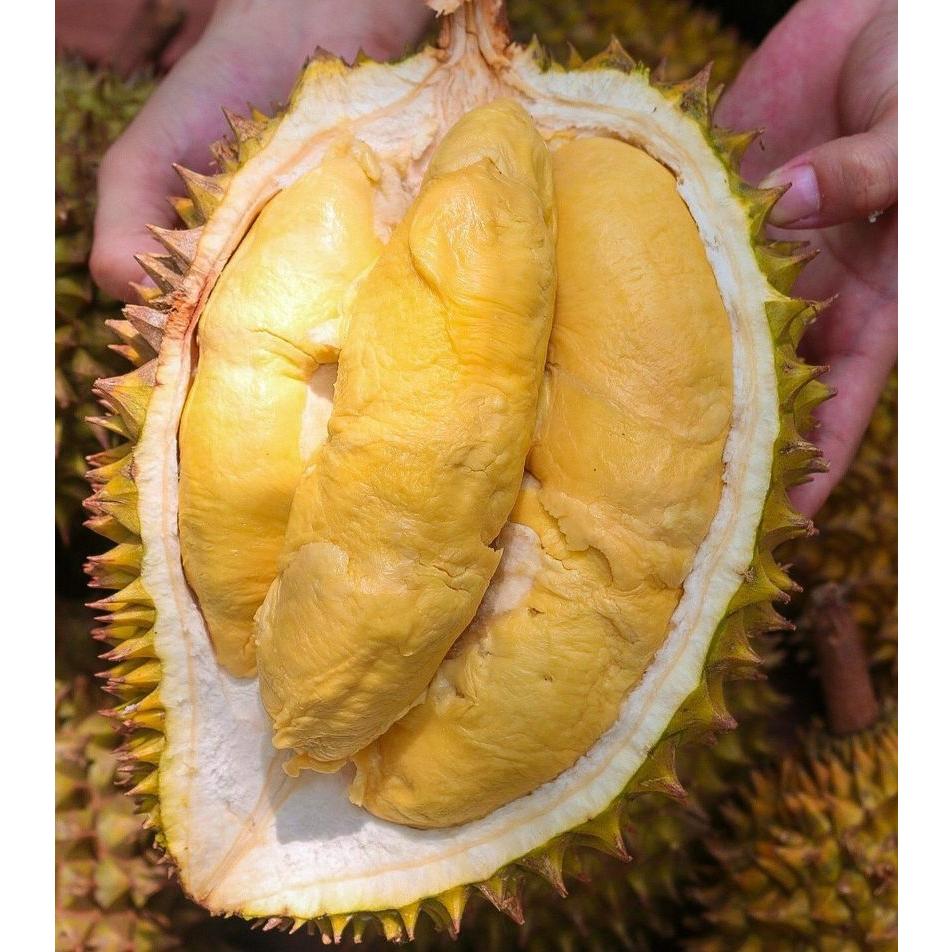
Meanwhile, Monthong offers advantages such as thick flesh, a stable texture, a milder creamy taste, and excellent processing capabilities. It is widely recognized by international importers due to its long-standing presence in global markets. In frozen applications, Monthong is suitable for products requiring consistent quality, such as frozen durian segments, frozen durian pulp, puree, fillings, and food manufacturing ingredients.
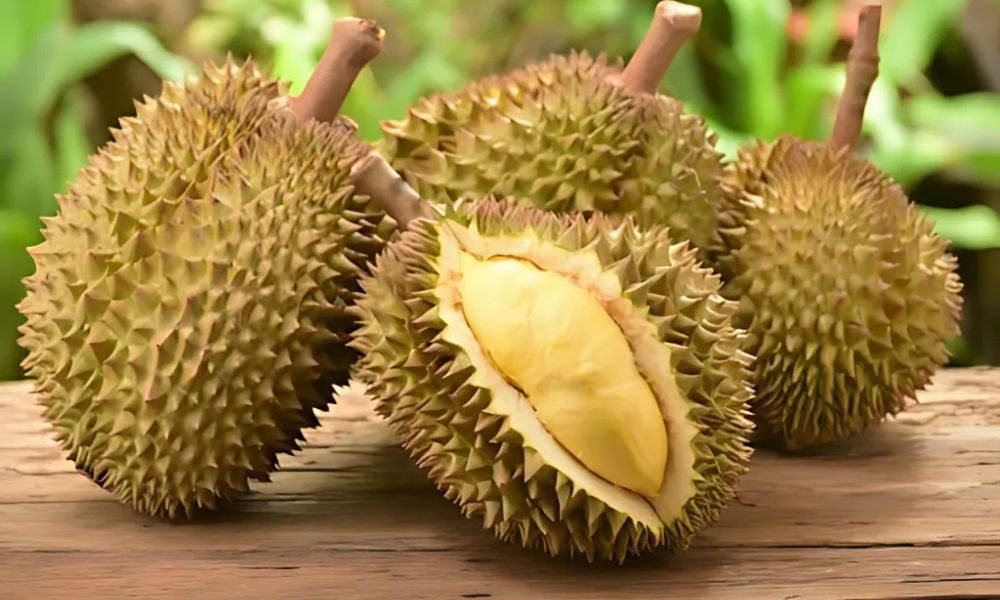
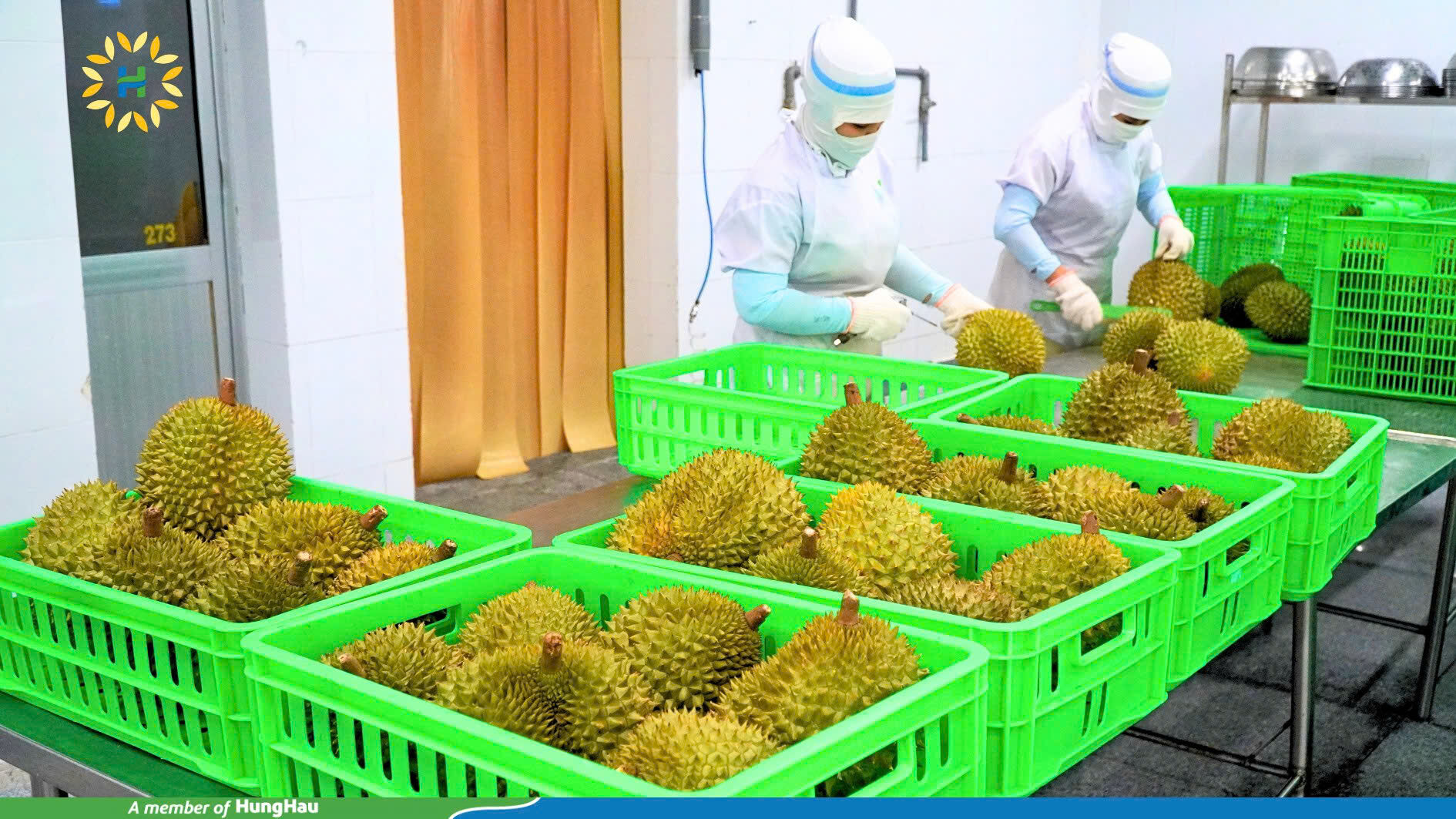
Beyond fresh fruit, Vietnamese durian is increasingly being developed into various value-added products, including frozen durian, puree, frozen pulp, dried durian, and other processed products. According to Tuoi Tre Newspaper, frozen durian exported to China includes whole frozen durians with shells, frozen durian pulp, and seedless mashed durian. This diversification provides Vietnamese businesses with greater flexibility and reduces dependence on seasonal fresh fruit exports.
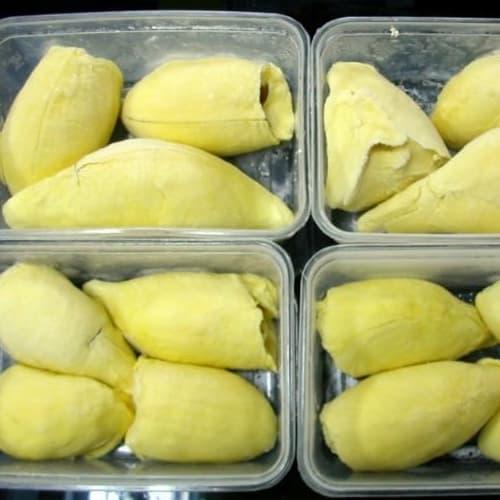
For Chinese consumers, the quality of durian flesh is the most critical factor. They often evaluate aspects such as flesh color, flesh ratio, ripeness, creaminess, aroma, fiber content, texture retention after thawing, and consistency across batches. Therefore, commercial value can vary significantly depending on how well businesses control raw materials, harvesting maturity, processing, freezing, and storage conditions.
Why Is Vietnamese Durian Favored in China?
Geographical Advantage
Vietnam shares a border with China, making road transportation through northern border gates highly convenient. Sea freight and cold-chain logistics solutions can also be utilized depending on shipment size. The first official shipment of frozen Vietnamese durian exported to China weighed over 22 tons and passed through the Bac Luan II Border Gate, demonstrating the important role of official cross-border trade routes in market expansion. The short geographical distance provides Vietnam with advantages in transportation time and logistics costs compared to more distant suppliers. This is especially important for frozen products, which require a stable cold chain to maintain product quality.

Advancements in Trade Policies
Fresh Vietnamese durian officially entered the Chinese market through formal trade channels in 2022, while frozen durian was approved under the 2024 Protocol. Official export channels provide businesses with a clearer legal framework and promote the standardization of growing area codes, packing facilities, processing plants, traceability systems, and quarantine documentation.
Strong Consumer Demand
According to the Vietnam Fruit and Vegetable Association, as cited by Tuoi Tre Newspaper, China imports approximately USD 7 billion worth of fresh durian annually, and this figure is expected to exceed USD 10 billion in the near future. In addition, China spends around USD 1 billion annually importing frozen durian. Although the exact figures may vary each year, the overall trend clearly indicates that China remains an extremely strong market for durian products.
Price Competitiveness
Frozen durian carries higher added value because it undergoes processing, freezing, and strict quality control. According to WTO Center under VCCI, Grade 1 frozen durian is exported at around VND 170,000–180,000 per kilogram, while lower grades range from VND 140,000–150,000 per kilogram. A single container of frozen durian can be valued at up to VND 8 billion, significantly higher than fresh durian shipments. This is one of the key reasons why many Vietnamese businesses consider frozen durian a strategic direction for increasing industry value.
Durian Consumption Trends in China?
In China, durian is highly popular in major cities and among middle-income consumers. Imported durian is commonly distributed through logistics hubs, seaports, border gates, retail chains, supermarkets, fruit stores, beverage chains, restaurants, and e-commerce platforms.

For individual consumers, durian is sold in various forms, including whole fresh fruit, packaged segments, frozen pulp, and thaw-ready products. Beyond daily consumption, durian is also regarded as a premium gift and a symbol of indulgence among certain consumer groups.
In the industrial sector, frozen durian offers clear advantages because it ensures a stable year-round supply of raw materials. Products such as puree, pulp, frozen flesh, and IQF durian are widely used in bakery products, ice cream, desserts, mochi, bubble tea, smoothies, fillings, sauces, and other sweet applications.

What Are Vietnamese Businesses Doing to Expand Frozen Durian Exports to China?
As exports continue to grow, China has tightened its requirements regarding quality, quarantine, and food safety. Since early 2025, imported durian shipments have been required to include testing certificates for cadmium and Auramine O. This has prompted businesses to strengthen control over cultivation areas, irrigation water, agricultural inputs, pesticides, and prohibited additives.
For frozen products, businesses must comply with the Protocol requirements, register and obtain approval under GACC regulations, and strictly control the production process from raw materials to finished goods.
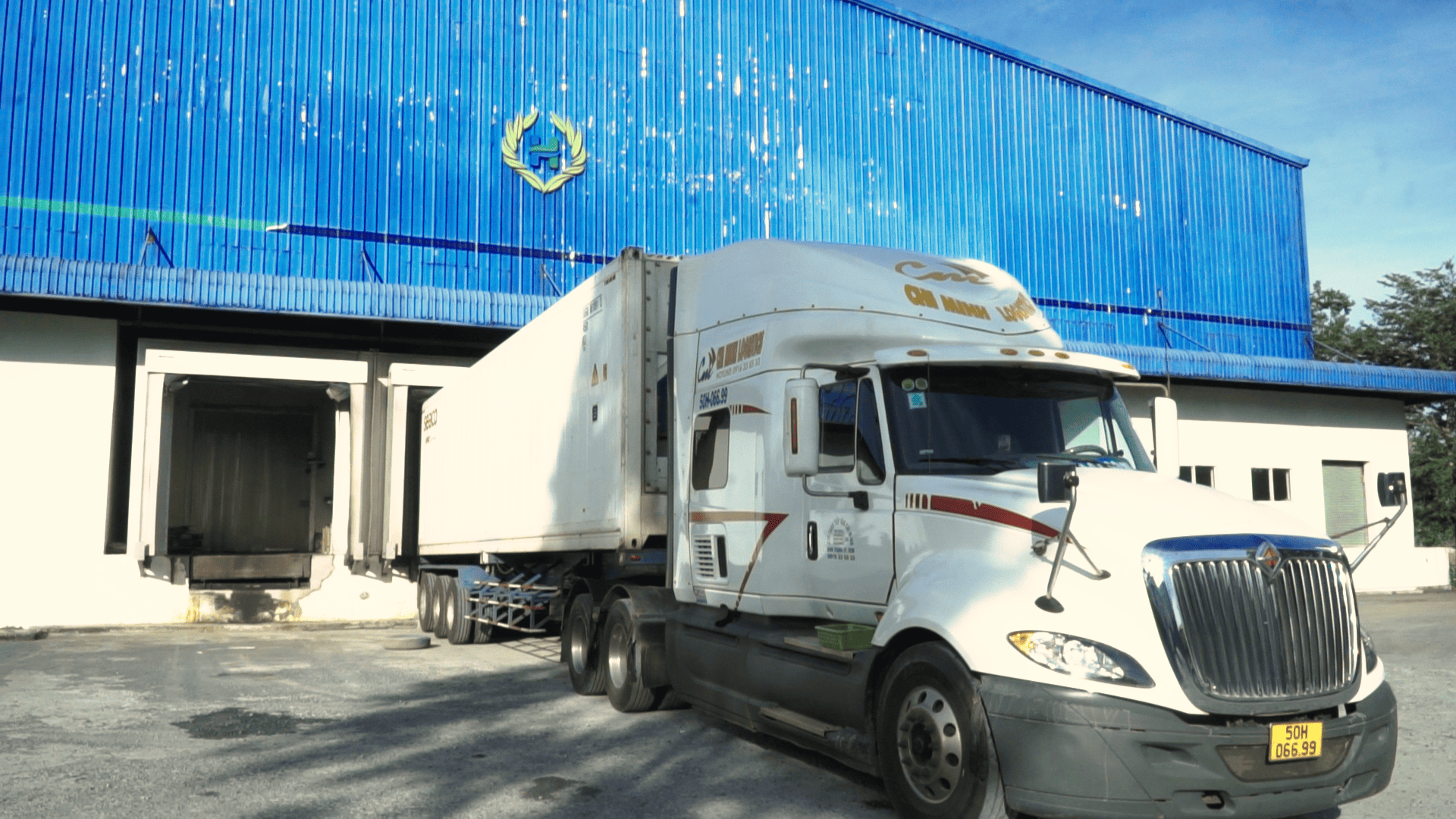
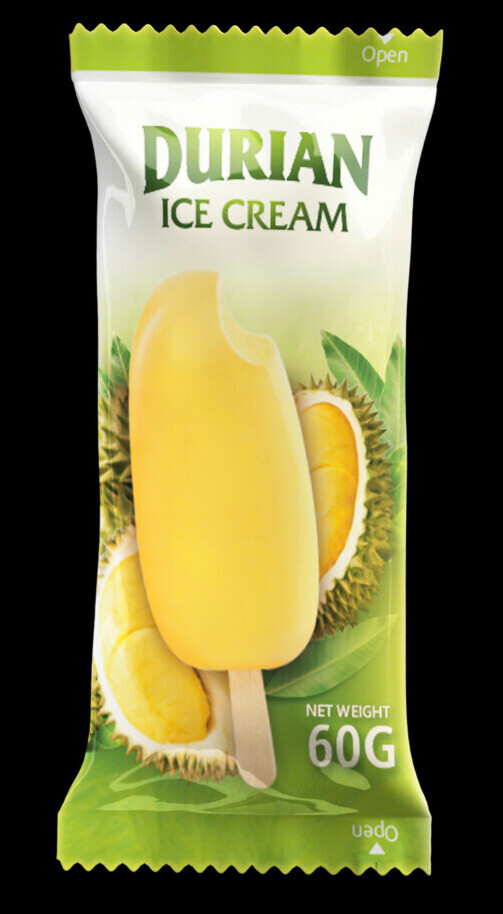
HungHau Foods has successfully obtained GACC certification for frozen durian, ensuring eligibility and a stable supply for exports to China. An important strategy is to develop more value-added products rather than relying solely on fresh durian exports. With its processing capabilities, HungHau Foods offers a wide range of frozen durian products, including Ri6 IQF, Monthong IQF, frozen pulp with or without seeds, puree, and durian ice cream, serving both retail and industrial customers.
In addition, HungHau Foods applies IQF (Individual Quick Freezing) technology, which freezes each piece individually, preventing clumping and improving convenience in storage, portioning, and industrial applications. For frozen durian, controlling ripeness before freezing, transportation time, freezing temperature, and cold storage conditions are essential to maintaining quality after thawing.
Finally, businesses need to establish safe cultivation areas free from heavy metals such as cadmium, avoid prohibited substances such as Auramine O, and standardize traceability systems. These are essential requirements for long-term success in the Chinese market.
Conclusion
The success of frozen Vietnamese durian in China is the result of strong consumer demand, geographical advantages, official export policies, improving processing capabilities, and a strategic shift from raw exports to value-added products.
Looking ahead, opportunities remain abundant, but market requirements will become increasingly stringent. Vietnamese businesses need to invest further in cultivation areas, testing, freezing technology, packaging, cold-chain logistics, and GACC certification to fully meet Chinese buyers’ expectations.
For manufacturers with stable production capabilities such as HungHau Foods, frozen durian is not only an export product but also a strategic ingredient solution that enables Vietnamese agricultural products to participate more deeply in the global food value chain.